On February 22, 2021, a report detailed how banks are turning to artificial intelligence to combat money laundering, a crime that moves an estimated $2 trillion annually, after traditional systems failed to flag a $500 million central-bank heist at HSBC Holdings Plc, which was only stopped by a vigilant teller at a suburban branch.
The failure of legacy systems
The HSBC case exposed a critical weakness in banking security. A computer system did not raise any red flag when a transfer request came through from Angola’s reserves in an inactive London account. It was a suburban bank branch teller who first detected a $2 million transfer request. She declined the transfer, and a series of reviews unraveled the crime. That incident is just the tip of the iceberg. Since then, banks have struggled to catch illegal transfers that amount to as much as $2 trillion a year. The transfers are becoming harder to detect.
Banks like Denmark’s Danske Bank A/S and Deutsche Bank AG have been caught red-handed on charges of illegal money schemes. These scandals destroyed customer trust in handling their hard-earned savings. Bank executives are now forced to set up more stringent security measures. They set aside at least 10% of their budget to create surveillance teams. But there is a better, cost-effective way to track the activities.
AI enters the fight
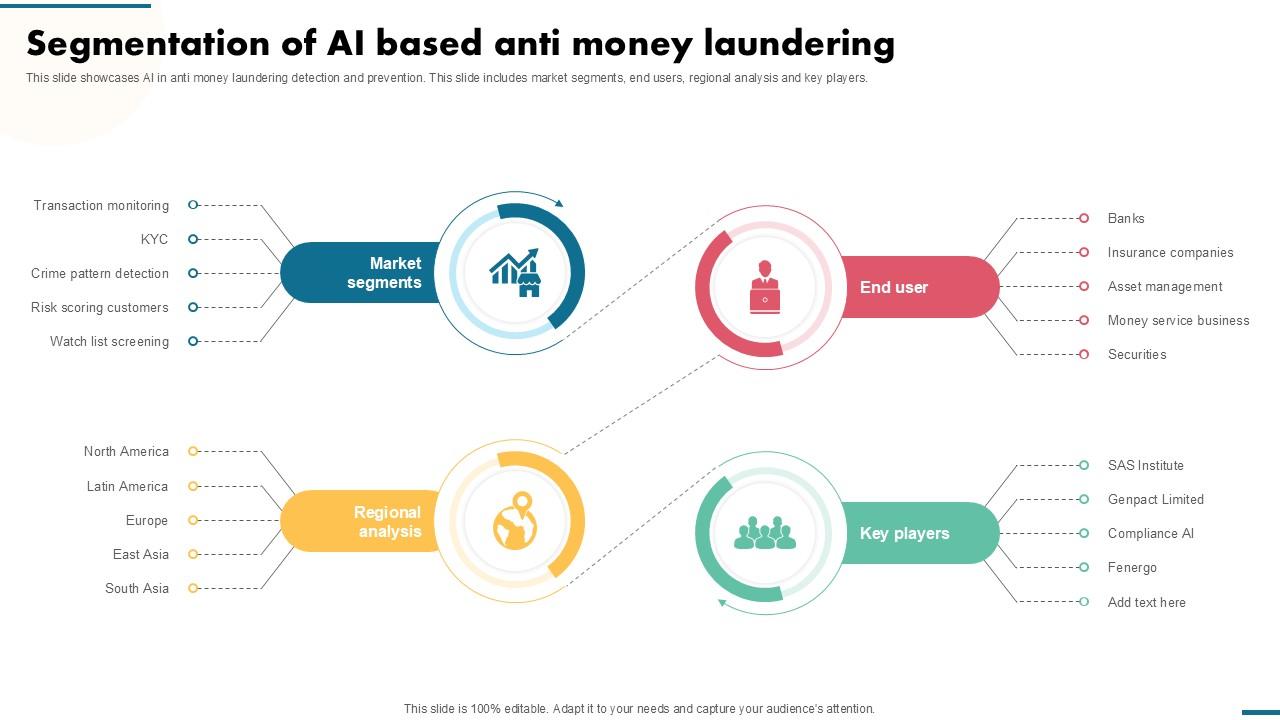
Last year, HSBC started using AI to screen transactions. Two of the largest Nordic banks are using algorithms instead of compliance staff. Online banks like Revolut Ltd depend on computer technology for their transactions. AI helps address their compliance problems. The technology can process vast amounts of data quickly. It can spot patterns that humans might miss.
However, bank computers still use simple know-your-customer (KYC) applications. They have a long way to go before replacing a human. There are many barriers to hurdle for AI to detect illegal activities. It needs more pertinent data on the banks’ clients, especially across international borders. Tweaking the refinement of the data is critical.
Data sharing remains a hurdle
Data sharing from other banks and law enforcement is crucial for AI to catch the bad guys. Competition and overlapping jurisdictions are problems that prevent data sharing. There should be more sharing among banks, open communication with bank supervisors, and one European anti-money-laundering regulator to oversee the data.
But information sharing between banks is far and few in between. It only happens if it is convenient to them. Banks tend to protect big clients from probes from regulators. They do not report suspicious activities that they consider normal. True, honest data is needed for AI to stay ahead of the culprits.
Criminals adapt, AI must keep up
Criminals are adept at changing their tactics to go undetected when routing their money. Catching them requires guessing what their next move will be. AI needs to cope with this constant evolution. The technology must learn from new patterns and adapt in real time.
Regulators are stepping in to help. The U.S. Treasury Department’s Financial Crimes Enforcement Network, jointly with the Federal Reserve and other U.S. agencies, is actively encouraging banks to pursue new technology to prevent money laundering. They offer clemency if banks detect an illegal transaction in their system. This incentive aims to push banks toward faster adoption of AI tools.
The fight against money laundering is a cat-and-mouse game. Banks have the resources to deploy AI, but they must overcome data silos and regulatory hurdles. The technology is promising, but it is not a silver bullet. Human oversight and cross-border cooperation remain essential. The goal is to stay one step ahead of criminals who are constantly refining their methods.