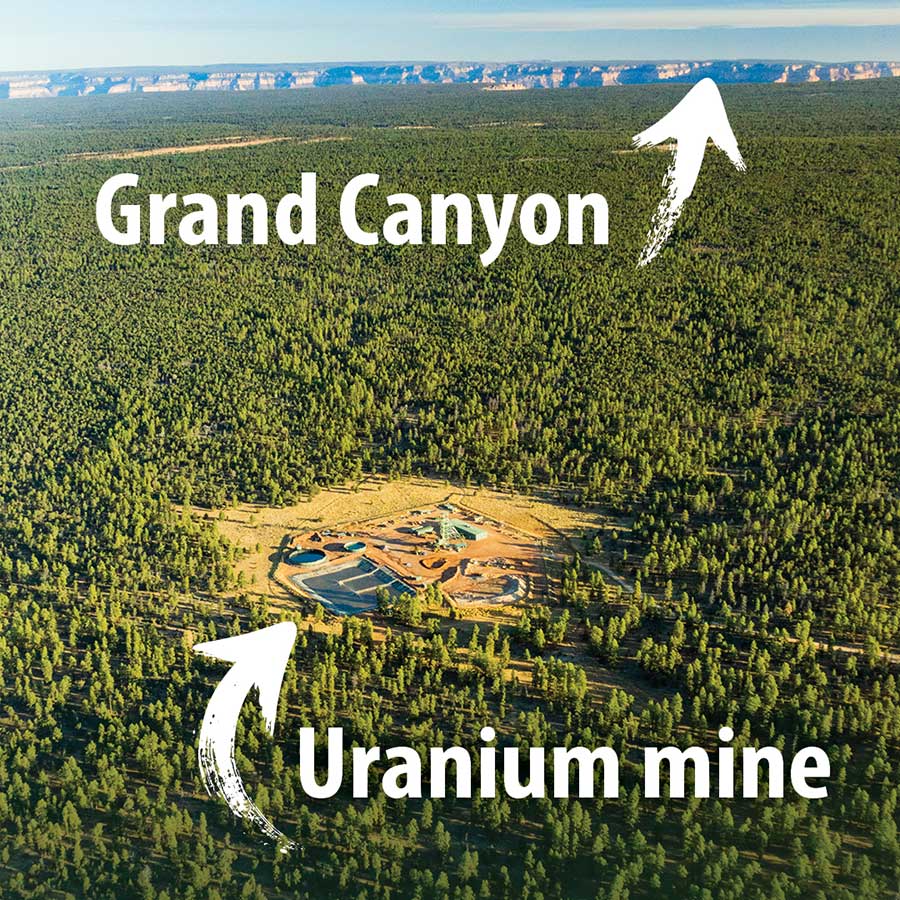
Uranium mining in the United States has continued to produce a significant amount of uranium oxide, with 224,331 pounds (101.8 tonnes) of U3O8 produced in 2023. This represents a decline from the 2018 production level of 1,447,945 pounds (656.8 tonnes) of U3O8, with the 2023 production accounting for only 15% of the 2018 total. The 2023 production level is also notable for meeting only 0.4% of the uranium fuel requirements of the US’s nuclear power reactors for the year.
The production of uranium in the US comes from a combination of in-situ leaching plants and conventional mills. In 2023, production came from five in-situ leaching plants, with four located in Wyoming and one in Nebraska. The Wyoming plants include the Nichols Ranch ISR Project, Lance Project, Lost Creek Project, and Smith Ranch-Highland Operation, while the Nebraska plant is the Crowe Butte Operation. Additionally, the White Mesa conventional mill in Utah also contributed to the total production.
The history of uranium production in the US is significant, with total production of uranium oxide (U3O8) from 1949 to 2019 reaching 979.9 million pounds (444,500 tonnes). This long history of production has established the US as a major player in the global uranium market. The decline in production in recent years, however, highlights the challenges facing the industry, including increased competition from foreign producers and declining demand for nuclear fuel.
The in-situ leaching process used at the Wyoming and Nebraska plants involves dissolving the uranium in a solution that is then pumped to the surface for processing. This method is often preferred due to its lower environmental impact compared to traditional mining methods. The conventional mill at White Mesa, Utah, on the other hand, processes uranium ore using a more traditional method, involving crushing and grinding the ore to extract the uranium.
The US nuclear power industry relies heavily on uranium fuel to generate electricity, with the majority of the fuel coming from foreign sources. The small percentage of uranium fuel requirements met by domestic production highlights the need for increased investment in the industry or alternative sources of fuel. As the demand for nuclear power continues to evolve, the role of domestic uranium production will be an important factor to watch.
Looking to the future, the US uranium mining industry will likely face continued challenges and opportunities. As the global energy landscape shifts and demand for nuclear power evolves, the industry will need to adapt to changing market conditions. The development of new technologies and methods, such as advanced in-situ leaching techniques, may help to increase efficiency and reduce costs, making domestic production more competitive. As the industry continues to evolve, it will be important to monitor production levels, industry trends, and regulatory developments to understand the future of uranium mining in the US.
As the US continues to weigh its energy options and consider the role of nuclear power in its energy mix, the uranium mining industry will remain a critical component of the discussion. With its long history of production and established infrastructure, the industry is well-positioned to contribute to the national energy conversation. As new developments and updates emerge, it will be essential to follow the latest news and trends in the uranium mining industry to understand its potential impact on the US energy landscape.