Lithium mining in Chile, the second largest in the world in terms of extraction, has been a significant industry for the country. After being surpassed by Australia in 2012, Chile continues to be a major player in the global lithium market. The country’s unique geography, with its location within the Lithium Triangle, an area of South America that houses the largest known reserves of lithium on the planet, makes it an ideal place for lithium extraction.
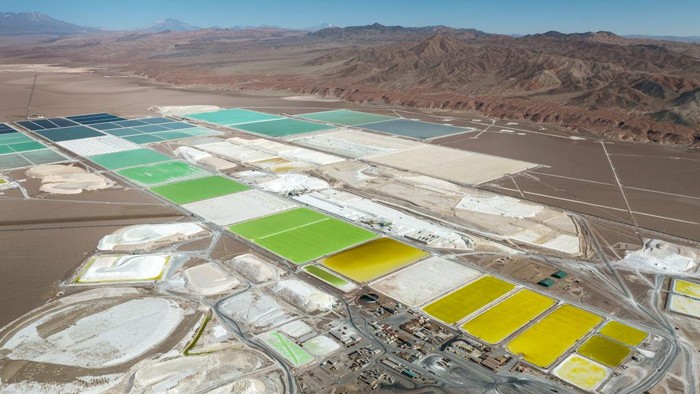
Chile’s lithium mining industry is distinct from others, such as Australia, in that it extracts lithium through an evaporation process from brines with high concentrations of the mineral. This process is different from Australian mining, which mainly extracts lithium from hard rocks. The evaporation process used in Chile allows for a more efficient and cost-effective extraction method, making Chilean lithium some of the cheapest to produce in the world.
The majority of Chile’s lithium reserves are found in two main areas: Salar de Atacama and Salar de Maricunga. As of 2023, all lithium extracted in Chile comes from Salar de Atacama, highlighting the significance of this region for the country’s lithium industry. The Salar de Atacama is a large salt flat that is rich in lithium and other minerals, making it a crucial location for Chile’s mining operations.
Despite its current position as the second largest lithium producer, estimates suggest that Chile will be surpassed by Argentina and China in lithium production by 2030. Industry analyst Gustavo Lagos predicts that by 2030, Chile’s lithium production will represent around 8% of the world’s total production. This shift in the global lithium market could have significant implications for Chile’s mining industry, as the country will need to adapt to changing market conditions and increased competition.
However, Chile’s low production costs could provide an advantage for the country’s mining industry in the future. As recycled lithium enters the market, competing with costly mining operations, Chile’s cheap production costs could make its lithium more attractive to buyers. This could help Chile maintain its position in the global lithium market, even as other countries increase their production.
Looking ahead, the future of lithium mining in Chile will depend on various factors, including the development of new technologies, changes in global demand, and the impact of recycled lithium on the market. As the industry continues to evolve, it will be important to monitor the progress of Chile’s lithium mining sector and its ability to adapt to shifting market conditions. With its unique geography and low production costs, Chile is well-positioned to remain a major player in the global lithium market, but the country will need to be proactive in addressing the challenges and opportunities that lie ahead.