A ceasefire agreement between Israel and Hamas-led Palestinian militant groups in the Gaza Strip, which included a hostages-and-prisoners exchange and armistice, came into effect from January 19, 2025, and remained in place until March 18, 2025. This agreement was a significant development in the ongoing Gaza war, marking a temporary pause in hostilities between the two parties.
The ceasefire proposal was initially drafted by mediators from the United States, Egypt, and Qatar, and was accepted by Hamas on May 5, 2024. The proposal outlined a three-stage process, beginning with a six-week ceasefire, the release of all Israelis and Palestinians held by both parties, and an end to the war. Additionally, the proposal included Israel’s withdrawal from the Gaza Strip and a reconstruction plan. This proposal was later supported by the UN Security Council as Resolution 2735 on June 10, 2024.
Despite initial acceptance by Hamas, the proposal faced opposition from Israeli Prime Minister Benjamin Netanyahu, who rejected a permanent ceasefire. Some US officials also accused Hamas of hindering the proposal, citing concerns about the group’s commitment to the agreement. However, President-elect Donald Trump and President Biden joined forces to pressure Israel to accept a similar proposal, which ultimately led to a variation of the proposal being accepted by both Israel and Hamas on January 15, 2025.
The deal was formally signed and approved by the Security Cabinet of Israel on January 17, 2025, and later by the full Cabinet of Israel. The agreement included eight rounds of hostage-and-prisoner exchanges between Israel and Hamas, marking a significant step towards reducing tensions between the two parties. The exchange of hostages and prisoners was a critical component of the ceasefire agreement, aiming to address one of the most contentious issues between Israel and Hamas.
As the ceasefire agreement remained in effect until March 18, 2025, it provided a temporary reprieve from the violence and hostilities that had characterized the Gaza war. The agreement demonstrated that, despite significant challenges and obstacles, it was possible for Israel and Hamas to reach a mutually acceptable agreement. The involvement of international mediators, including the United States, Egypt, and Qatar, played a crucial role in facilitating the agreement, highlighting the importance of diplomatic efforts in resolving complex conflicts.
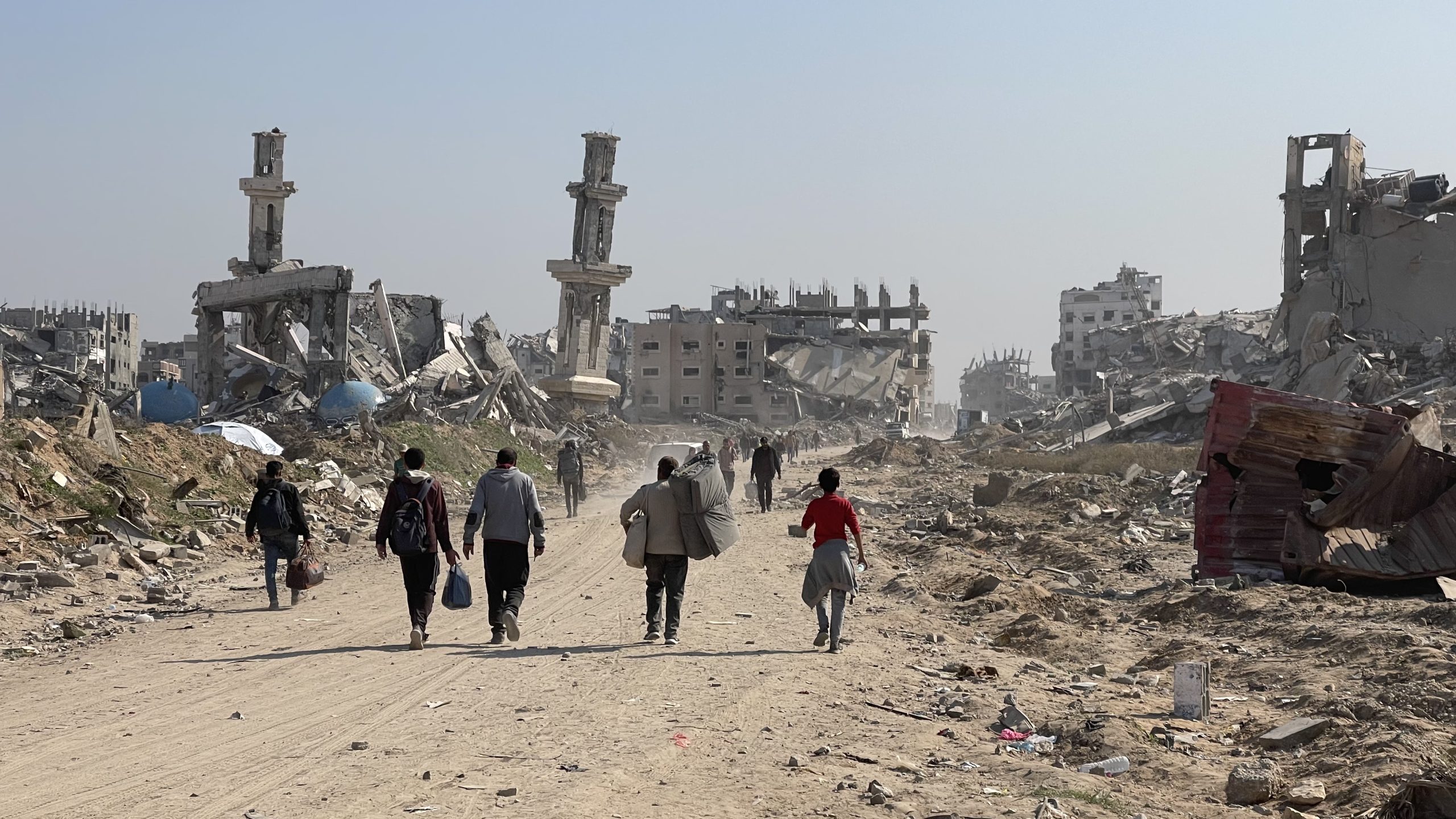
Looking ahead, the aftermath of the ceasefire agreement will be closely watched by the international community. As the parties involved in the conflict begin to rebuild and recover, it remains to be seen whether the agreement will pave the way for a more lasting and comprehensive peace. The success of the ceasefire will depend on the ability of Israel and Hamas to maintain the fragile peace and address the underlying issues that have driven the conflict. As the situation continues to evolve, it is essential to monitor developments and assess the implications of the ceasefire agreement for the future of the region.