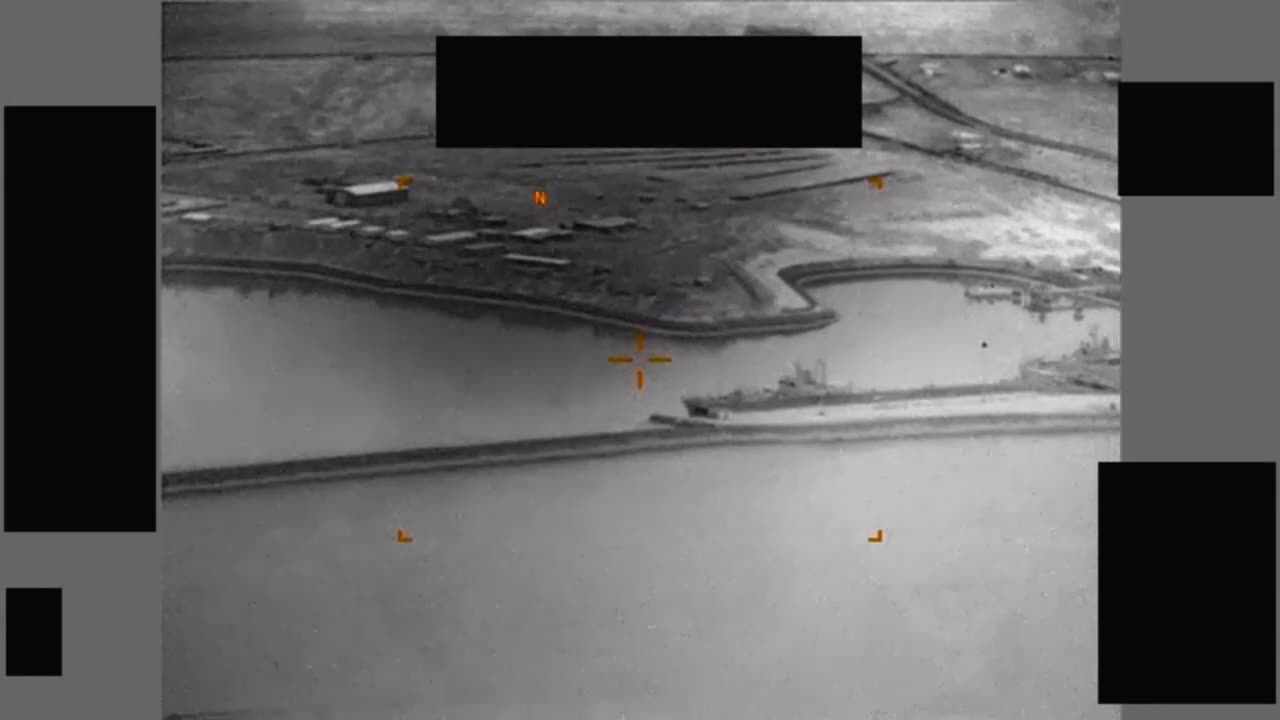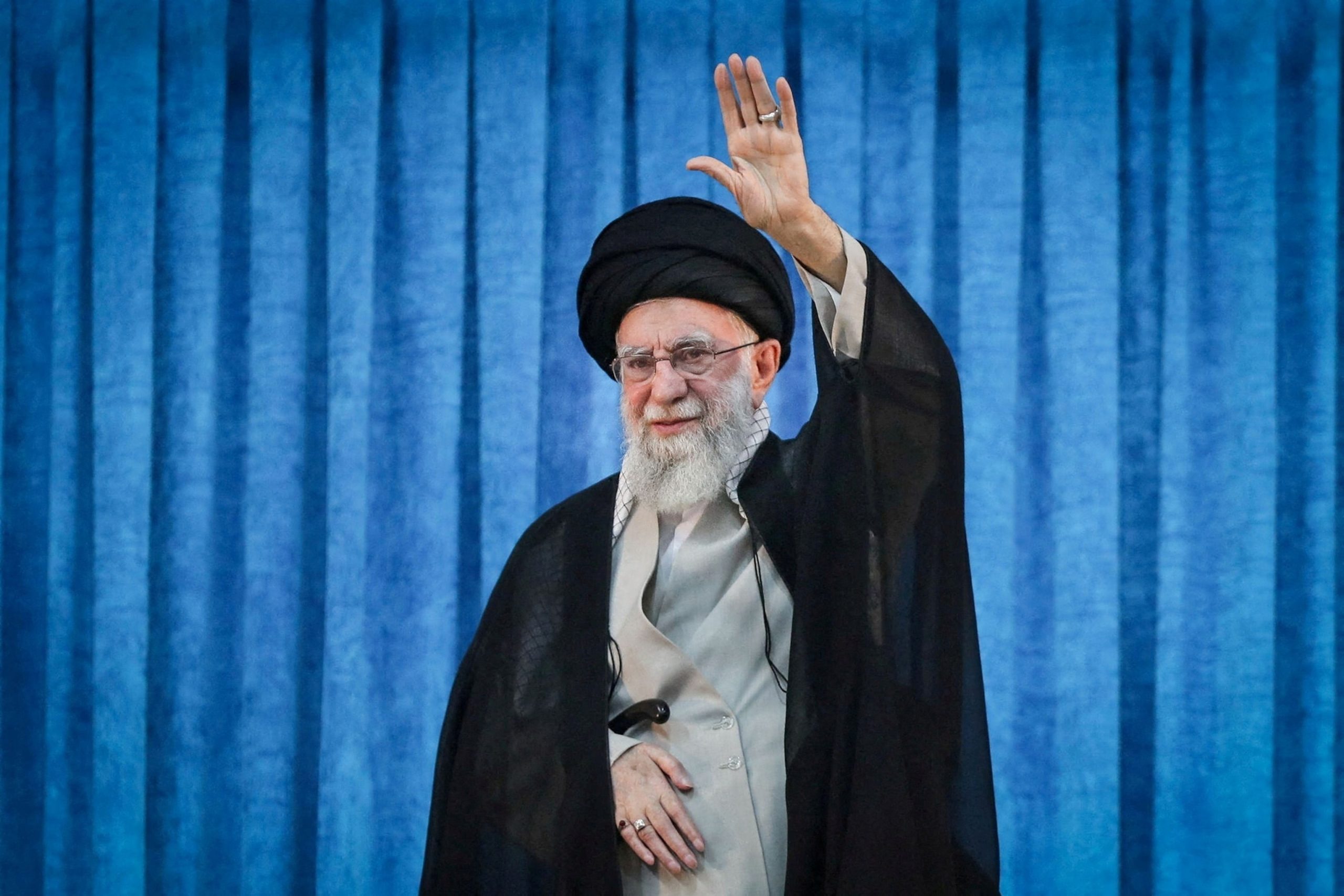
The United States and Israel launched airstrikes on Iran on February 28, 2026, targeting military and government sites, as well as assassinating several high-ranking Iranian officials, including Supreme Leader Ali Khamenei. This surprise attack came during ongoing negotiations between Iran and the US regarding Iran’s nuclear program, significantly escalating tensions in the region.
The conflict between the US, Israel, and Iran has been building up over the past few years. In 2023, a Middle Eastern crisis began, which led to exchanges of missile strikes between Iran and Israel in 2024. The situation further deteriorated during the Twelve-Day War in June 2025, resulting in a US airstrike on Iranian nuclear sites. These events have created an increasingly volatile environment, ultimately leading to the current war.
In the months leading up to the airstrikes, Iran faced significant internal unrest. In January 2026, Iranian security forces cracked down on the largest protests the country had seen since 1979, resulting in the massacre of thousands of civilians. The international community, including US President Donald Trump, strongly condemned these actions, with President Trump threatening military action against Iran. This led to the largest US military buildup in the region since the 2003 invasion of Iraq, setting the stage for the current conflict.
Iran has responded to the US and Israeli airstrikes with missile and drone strikes on Israel, US bases, and US-allied Arab countries in West Asia. Additionally, Iran has closed the Strait of Hormuz, a critical waterway for global trade, further escalating the situation. The United Arab Emirates, Saudi Arabia, and Kuwait have also entered the conflict, launching their own strikes on Iran and its regional allies. The involvement of these additional countries has expanded the scope of the conflict, potentially drawing in other regional actors.
The closure of the Strait of Hormuz has significant implications for global trade, as it is a major shipping route for oil and other goods. This move by Iran is likely to have far-reaching economic consequences, affecting not only the countries directly involved in the conflict but also the global economy as a whole. As the situation continues to unfold, the impact of this closure will be closely watched by economists and policymakers around the world.
As the conflict between the US, Israel, and Iran continues to escalate, the international community is bracing for further developments. The involvement of additional regional countries and the potential for broader economic consequences make this a highly complex and volatile situation. Moving forward, it will be essential to monitor the actions of all parties involved, as well as the responses of the international community, to understand the trajectory of this conflict and its potential long-term implications.
Looking Ahead
As the world watches the unfolding conflict between the US, Israel, and Iran, several key factors will be crucial in determining the course of events. The responses of other regional countries, the international community’s efforts to mitigate the conflict, and the economic implications of the Strait of Hormuz’s closure will all be important to watch. Additionally, the actions of the US and Israel, as well as Iran’s continued retaliation, will shape the future of this conflict. As of February 28, 2026, the situation remains highly fluid, and the coming days and weeks will be critical in determining the outcome of this war.