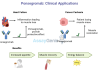
Talazoparib, marketed under the brand name Talzenna, is a significant medication in the fight against cancer, specifically breast and prostate cancer. As of January 15, 2024, this anti-cancer drug has made notable strides in its application and approval for various cancer treatments. Initially approved in October 2018 in the United States and June 2019 in the European Union for germline BRCA-mutated, HER2-negative locally advanced or metastatic breast cancer, talazoparib has recently expanded its scope.
The mechanism of talazoparib is as a poly ADP ribose polymerase (PARP) inhibitor, which places it in a class of drugs similar to olaparib, the first in its class. PARP inhibitors work by blocking the PARP enzyme, which is involved in repairing DNA damage. In cancer cells with defects in DNA repair, such as those with BRCA mutations, PARP inhibitors can prevent the cancer cells from repairing DNA damage, ultimately leading to cell death. This targeted approach makes talazoparib an important option for patients with specific genetic mutations.
In terms of its application, talazoparib is orally available, making it more accessible and easier to administer compared to intravenous treatments. However, like all medications, it comes with a list of potential adverse reactions. The most common side effects include fatigue, anemia, nausea, neutropenia, headache, thrombocytopenia, vomiting, alopecia, diarrhea, and decreased appetite. Understanding these potential side effects is crucial for both healthcare providers and patients to manage expectations and treatment plans effectively.
Recent Developments
A significant development in the use of talazoparib occurred in January 2024, when the European Commission approved its use in combination with enzalutamide for the treatment of metastatic castration-resistant prostate cancer (mCRPC) in adults. This approval marks an important expansion of talazoparib’s use beyond breast cancer, into the realm of prostate cancer treatment. The combination of talazoparib with enzalutamide, another drug used in the treatment of prostate cancer, offers new hope for patients with this specific type of prostate cancer, which is resistant to other treatments.
The approval of talazoparib for additional cancer treatments underscores the ongoing research and development in the field of oncology. Pharmaceutical companies, like Pfizer, which markets talazoparib, continue to invest in clinical trials and research aimed at expanding the use of existing drugs to new indications. This approach not only broadens the treatment options available to patients but also reflects a deeper understanding of the molecular mechanisms underlying different types of cancer.
As the medical and scientific communities look to the future, the focus will be on how talazoparib and other PARP inhibitors can be further utilized to combat cancer. With its recent approval for use in metastatic castration-resistant prostate cancer, talazoparib is poised to make a significant impact on the lives of many patients. Moving forward, it will be important to monitor the outcomes of patients treated with talazoparib, both in breast and prostate cancer, to fully understand its efficacy and potential long-term benefits. Additionally, ongoing and future clinical trials will be crucial in determining the full potential of talazoparib and its possible applications in other types of cancer, offering hope for new and more effective treatment strategies.