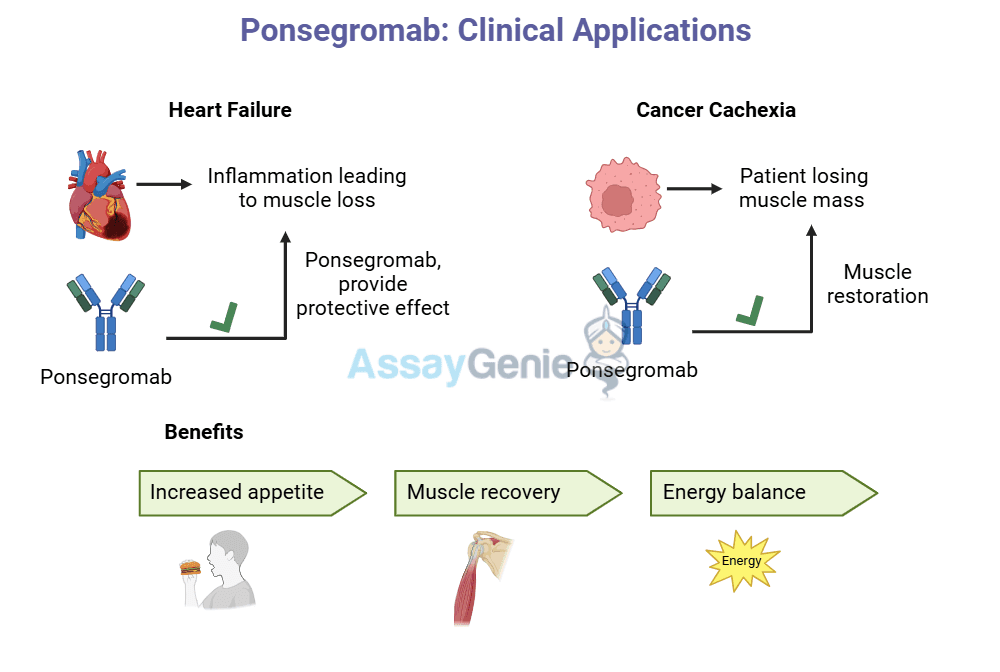
Pfizer has announced a significant development in the treatment of cancer cachexia, a condition characterized by weight loss and muscle wasting in cancer patients. On September 15, 2024, the pharmaceutical company disclosed the results of a phase 2 clinical trial for ponsegromab, a monoclonal antibody that works as a GDF-15 inhibitor. The trial showed that ponsegromab led to significant body weight increases in patients with non-small cell lung cancer, pancreatic cancer, or colorectal cancer.
Ponsegromab, also known as PF-06946860, is a novel therapeutic agent designed to target GDF-15, a protein that has been implicated in the development of cancer cachexia. By inhibiting GDF-15, ponsegromab aims to address the underlying causes of weight loss and muscle wasting in cancer patients, potentially improving their quality of life and overall prognosis. The development of ponsegromab is a notable example of the ongoing efforts to address the complex needs of cancer patients, and its potential benefits are being closely watched by the medical community.
The phase 2 clinical trial that Pfizer conducted is an important milestone in the development of ponsegromab. The trial involved patients with non-small cell lung cancer, pancreatic cancer, or colorectal cancer, all of whom are at risk of developing cancer cachexia. The results of the trial, which showed significant body weight increases in patients treated with ponsegromab, suggest that this therapeutic agent may be effective in addressing the weight loss and muscle wasting associated with these types of cancer. While the trial is an important step forward, it is essential to note that further research is needed to fully understand the potential benefits and risks of ponsegromab.
Cancer cachexia is a significant concern for patients with advanced cancer, as it can lead to a range of complications, including decreased mobility, increased risk of infection, and reduced response to treatment. Current treatments for cancer cachexia often focus on managing its symptoms, rather than addressing its underlying causes. The development of ponsegromab, which targets the root causes of cancer cachexia, represents a potentially important advance in the treatment of this condition. As research into ponsegromab continues, it will be essential to consider its potential benefits and risks in the context of existing treatments for cancer cachexia.
The announcement of the phase 2 clinical trial results for ponsegromab is a significant event in the field of cancer research, and it is likely to be of interest to patients, clinicians, and researchers alike. As the development of ponsegromab moves forward, it will be important to consider its potential implications for the treatment of cancer cachexia, as well as its potential benefits and risks. Pfizer’s ongoing research into ponsegromab is a notable example of the company’s commitment to developing innovative treatments for cancer, and its potential impact on patient care is being closely watched by the medical community.
Looking ahead, it will be essential to monitor the ongoing development of ponsegromab, including any future clinical trials and regulatory submissions. As research into this therapeutic agent continues, it will be important to consider its potential benefits and risks, as well as its potential implications for the treatment of cancer cachexia. With its potential to address the underlying causes of weight loss and muscle wasting in cancer patients, ponsegromab represents a promising area of research, and its development is likely to be of significant interest to patients, clinicians, and researchers in the years to come.