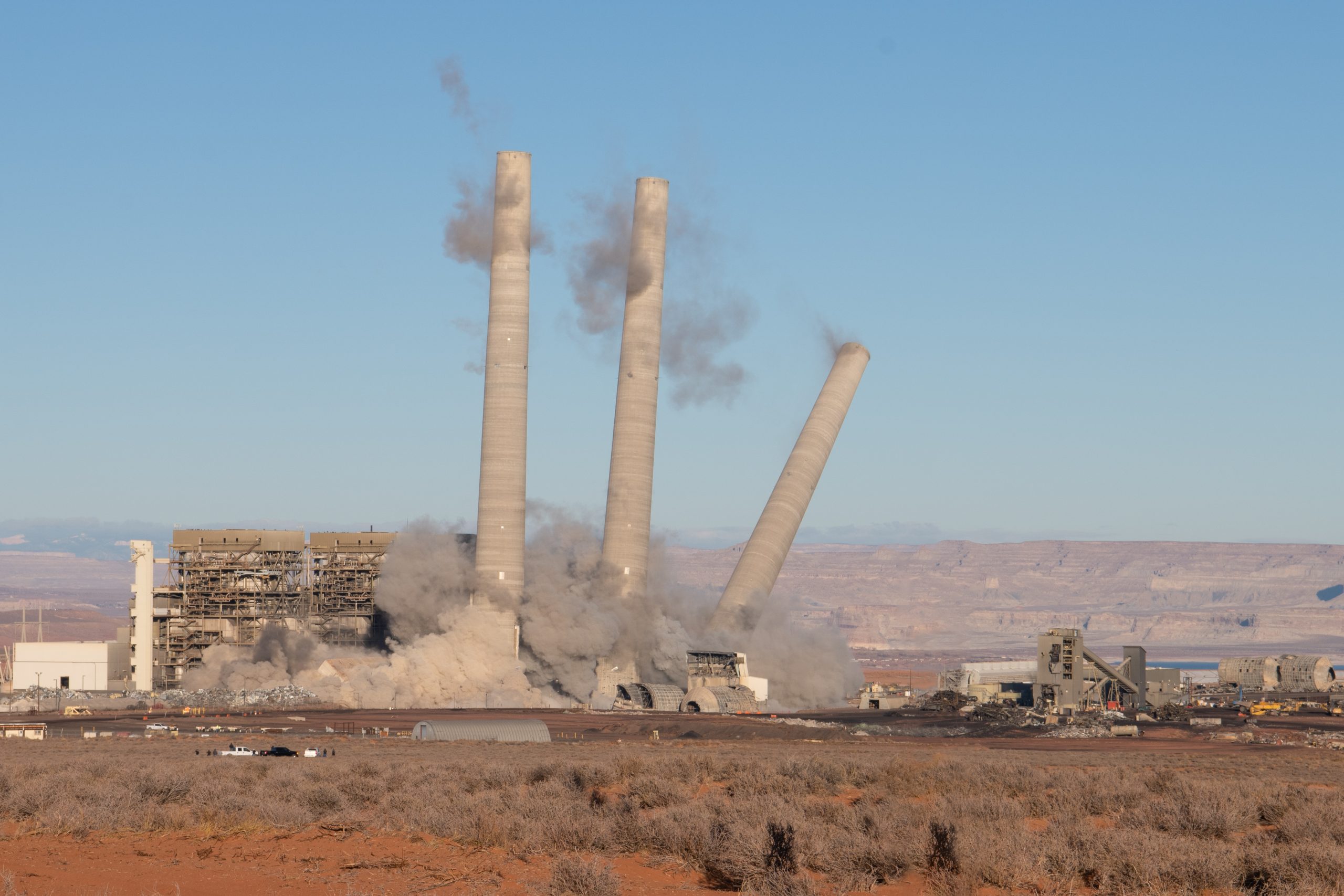
The coal phase-out, a crucial environmental policy aimed at stopping the burning of coal in coal-fired power plants and other areas, has gained significant attention in recent years. As part of the broader fossil fuel phase-out initiative, this effort is driven by the need to mitigate the adverse health and environmental impacts associated with coal use. The benefits of phasing out coal, including reduced respiratory diseases and biodiversity loss, are substantial and outweigh the costs involved.
The importance of transitioning away from coal cannot be overstated, given its status as the most carbon-intensive fossil fuel. The International Energy Agency (IEA) has estimated that coal is responsible for over 30% of the global average temperature increase above pre-industrial levels. This underscores the critical role that coal phase-out plays in limiting climate change, as outlined in the Paris Agreement. By reducing our reliance on coal, we can significantly decrease greenhouse gas emissions and help mitigate the worst effects of climate change.
Some countries have already made significant strides in phasing out coal, with members of the Powering Past Coal Alliance leading the way. However, other nations, such as China and India, continue to burn large quantities of coal, highlighting the challenges that remain in achieving a global transition away from this fossil fuel. Notably, China is the only country where significant funding is still being allocated to the construction of new coal power plants. This disparity underscores the need for coordinated international efforts to support the transition to cleaner energy sources.
The Just Energy Transition Partnership offers a potential solution for developing countries, which may require financial assistance to transition away from coal. Under this partnership, developed countries can provide funding to support the phase-out of coal in developing nations, provided that these countries commit to not building any new coal plants. This approach recognizes the need for a collaborative and supportive framework to facilitate the global transition to cleaner energy sources. By working together, countries can share the costs and benefits of this transition, ensuring that the phase-out of coal is both equitable and effective.
Economists have suggested that a Coasean bargain, in which developed countries help finance the coal phase-out in developing countries, could be a viable approach. This strategy recognizes that the benefits of phasing out coal, including improved public health and environmental protection, can be shared globally. Moreover, estimates suggest that the coal phase-out could benefit society by over 1% of GDP each year until the end of the 21st century, making a strong economic case for this transition. By investing in the phase-out of coal, countries can reap long-term economic benefits while also contributing to a more sustainable and environmentally conscious future.
As the world continues to navigate the challenges of the coal phase-out, it is essential to remain vigilant and committed to this effort. Looking ahead, it will be crucial to monitor the progress of countries in transitioning away from coal and to assess the effectiveness of initiatives like the Just Energy Transition Partnership. Additionally, ongoing research and development of cleaner energy sources will be vital in supporting the global transition to a more sustainable energy mix. As we move forward, it is clear that the phase-out of coal will remain a critical component of our collective efforts to mitigate climate change and create a more environmentally conscious future.