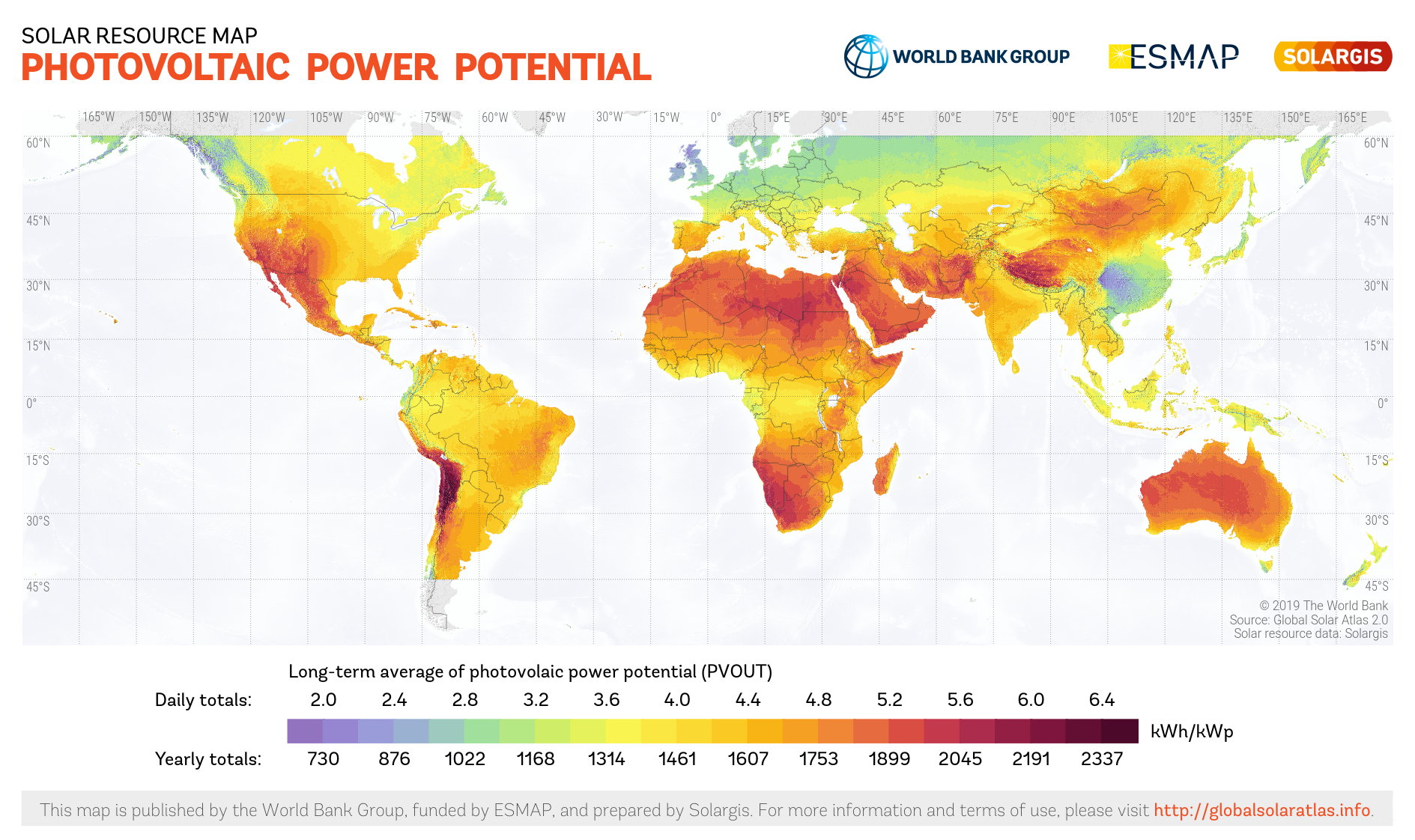
According to data from April 2022, the total global solar power capacity reached 1 terawatt (TW), a figure that doubled to 2 TW by 2024. This growth is driven by the installation of solar power capacity into electrical grids across many countries and territories, supplementing or providing an alternative to conventional energy sources. The top installers of solar capacity in 2024 included China, the United States, and India, reflecting a dynamic and varied expansion pattern worldwide.
Solar power plants operate using one of two primary technologies. Photovoltaic (PV) systems, which use solar panels on rooftops or in ground-mounted solar farms, convert sunlight directly into electric power. Concentrated solar power (CSP), also known as concentrated solar thermal, uses solar thermal energy to create steam, which is then converted into electricity by a turbine. Photovoltaic systems account for the great majority of solar capacity installed globally, while CSP represents a minor share and is present in significant quantities only in a few countries.
Most operational CSP stations are located in Spain and the United States. In contrast, large solar farms using photovoltaic technology are being constructed in most geographic regions. The worldwide growth of photovoltaics is extremely dynamic and varies strongly by country, with the top installers of 2024—China, the United States, and India—leading the expansion.
China has been a dominant force in solar installations, contributing significantly to the global capacity milestones. The United States has also been a major installer, with substantial photovoltaic capacity added in recent years. India has emerged as a key player, reflecting broader trends in Asia where solar power adoption is accelerating. These three countries collectively drove much of the growth that pushed global capacity from 1 TW in April 2022 to 2 TW in 2024.
The rapid expansion of solar power is not limited to these top installers. Many countries across Europe, the Middle East, and other regions are also building large-scale photovoltaic farms. However, the pace of installation varies strongly by country, influenced by factors such as policy support, investment, and geographic conditions. CSP technology, while less widespread, remains concentrated in Spain and the United States, where it has been developed for specific applications requiring thermal energy storage.
Looking ahead, the continued growth of solar power is expected to be driven primarily by photovoltaic systems, given their dominance in new installations. The dynamic nature of the industry suggests that more countries may join the ranks of top installers, potentially shifting the geographic distribution of capacity. Observers will watch for further capacity milestones, as the global solar power sector has demonstrated the ability to double capacity in a short timeframe—from 1 TW to 2 TW in just two years. The role of CSP may also evolve, though for now it remains a niche technology compared to the widespread adoption of photovoltaics.