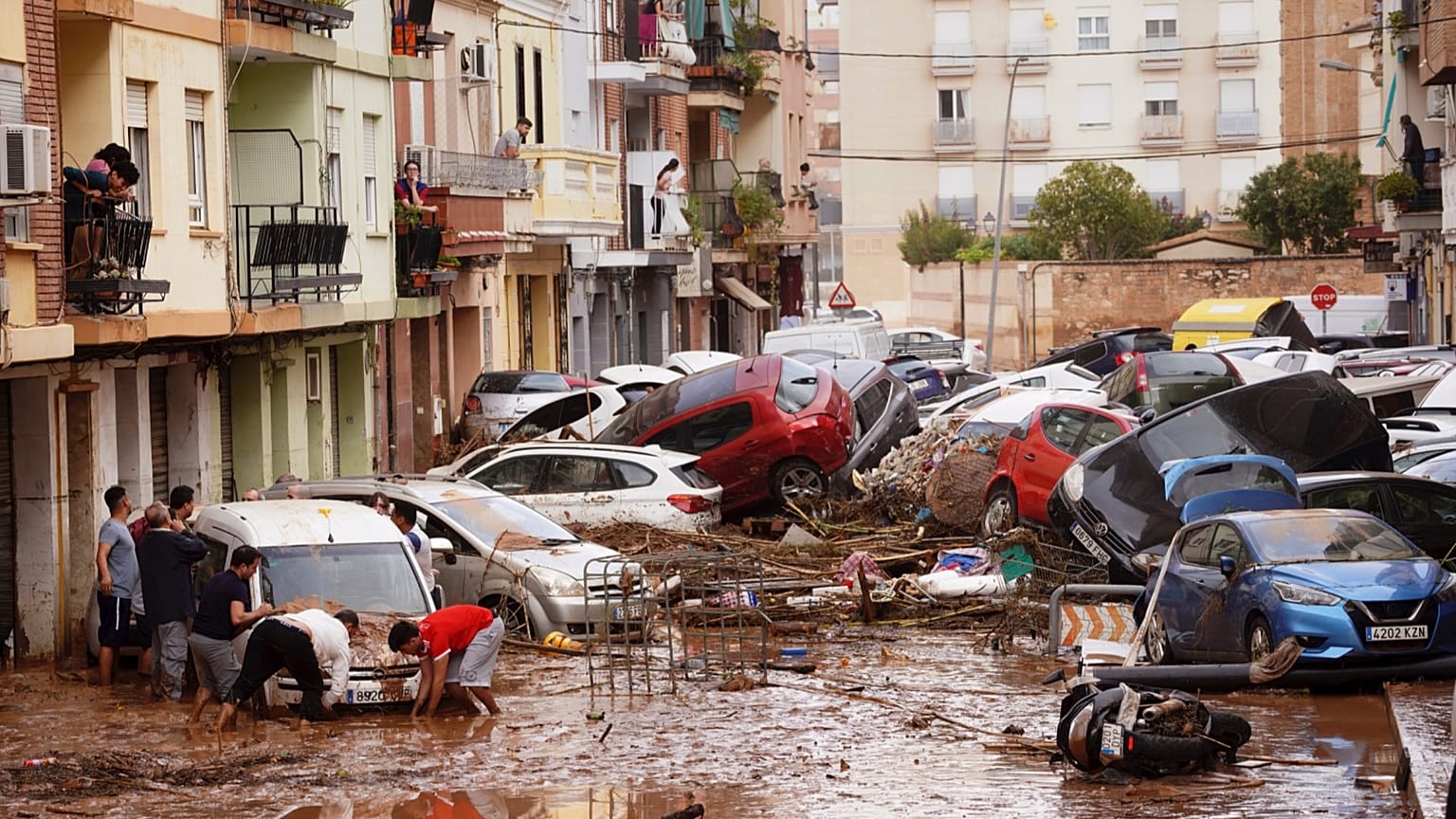
On October 29, 2024, a severe weather event brought catastrophic flooding to eastern Spain, resulting in significant loss of life and property damage. The flooding, caused by an isolated low-pressure area at high levels, dumped over a year’s worth of precipitation on several areas, including the Valencian Community, Castilla–La Mancha, and Andalusia. This event, often referred to as “DANA”, is considered one of the deadliest natural disasters in Spanish and European history.
The impact of the flooding was devastating, with floodwaters causing the deaths of approximately 237 people. The disaster also resulted in substantial property damage, affecting numerous communities in the region. The severity of the flooding was likely exacerbated by the effects of climate change, which may have contributed to the intensity of the torrential rain. Similar events had occurred in the past, but the 2024 flooding was particularly severe.
The regional and national governments’ response to the disaster has been criticized for being inadequate, particularly in the Valencian Community. The poor preparation and disaster response are believed to have aggravated the human cost of the event. In the aftermath of the flooding, thousands of volunteers from across Spain and numerous nonprofit organizations mobilized to assist with the cleanup and recovery efforts. This outpouring of support helped to mitigate the effects of the disaster and provided essential aid to affected communities.
The flooding had significant political repercussions, with Carlos Mazón, the then president of the Valencian Community, announcing his resignation in November 2025. Mazón’s resignation came amid sustained criticism over his handling of the floods, highlighting the need for effective governance and disaster response strategies. The incident serves as a reminder of the importance of preparedness and swift action in the face of natural disasters.
Response and Recovery Efforts
The response to the 2024 Spanish floods demonstrates the importance of community resilience and solidarity. The mobilization of thousands of volunteers and nonprofit organizations played a crucial role in the recovery efforts, providing essential support to affected communities. As the region continues to rebuild and recover, it is essential to recognize the value of these efforts and to build on the lessons learned from this disaster.
Looking ahead, it is crucial to focus on developing and implementing effective strategies for mitigating the impacts of natural disasters. This includes investing in climate resilience, improving disaster preparedness and response, and promoting sustainable development practices. By doing so, communities can reduce their vulnerability to extreme weather events and work towards creating a more resilient and sustainable future. As the world continues to grapple with the challenges posed by climate change, the 2024 Spanish floods serve as a stark reminder of the need for collective action and cooperation to address these pressing issues.