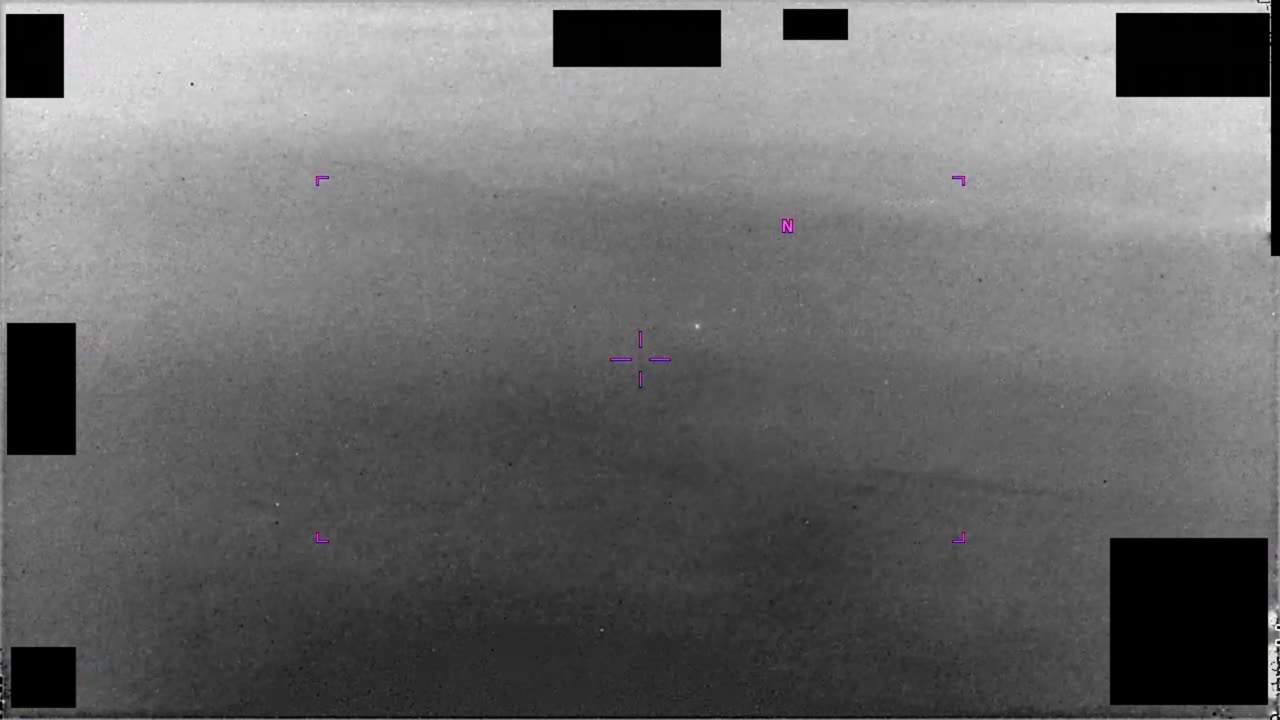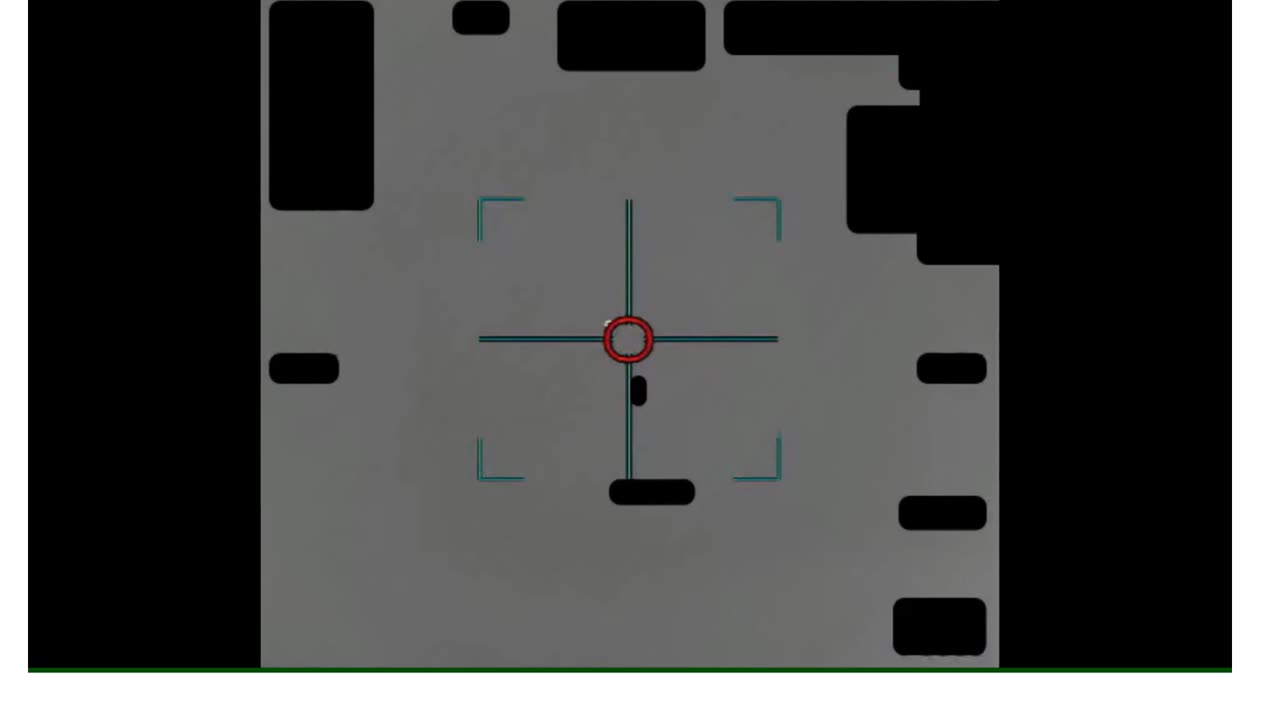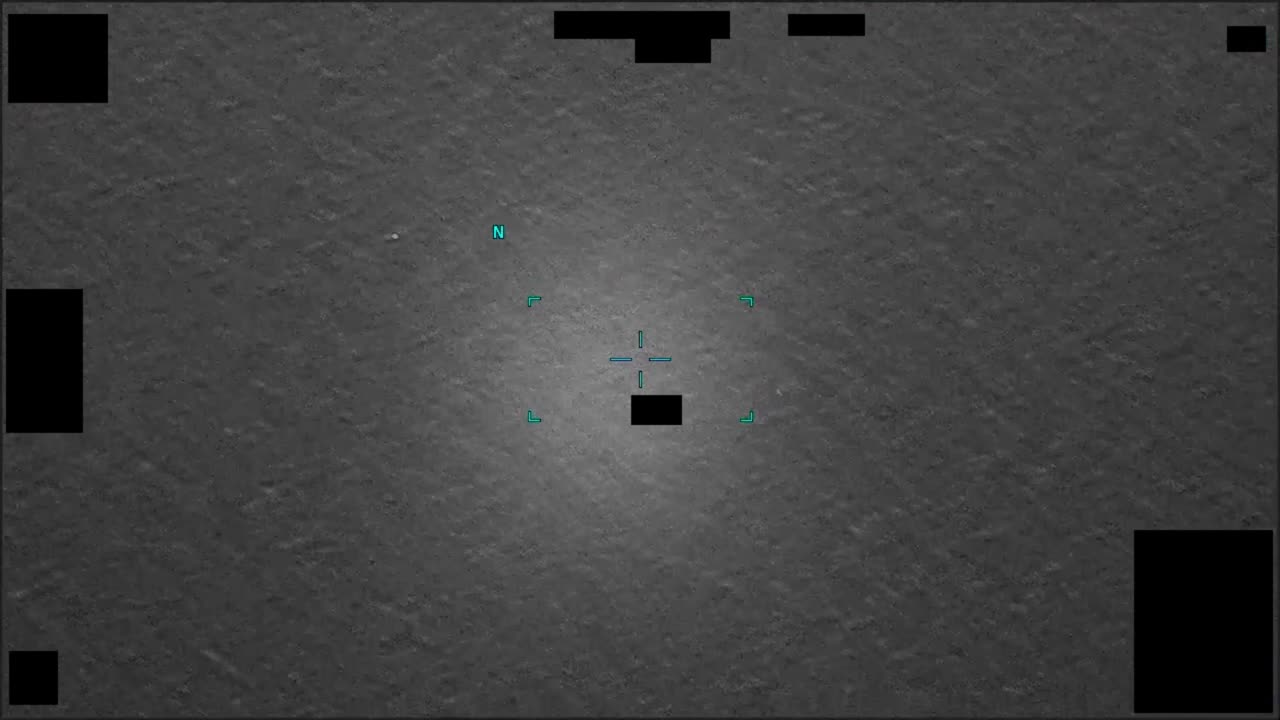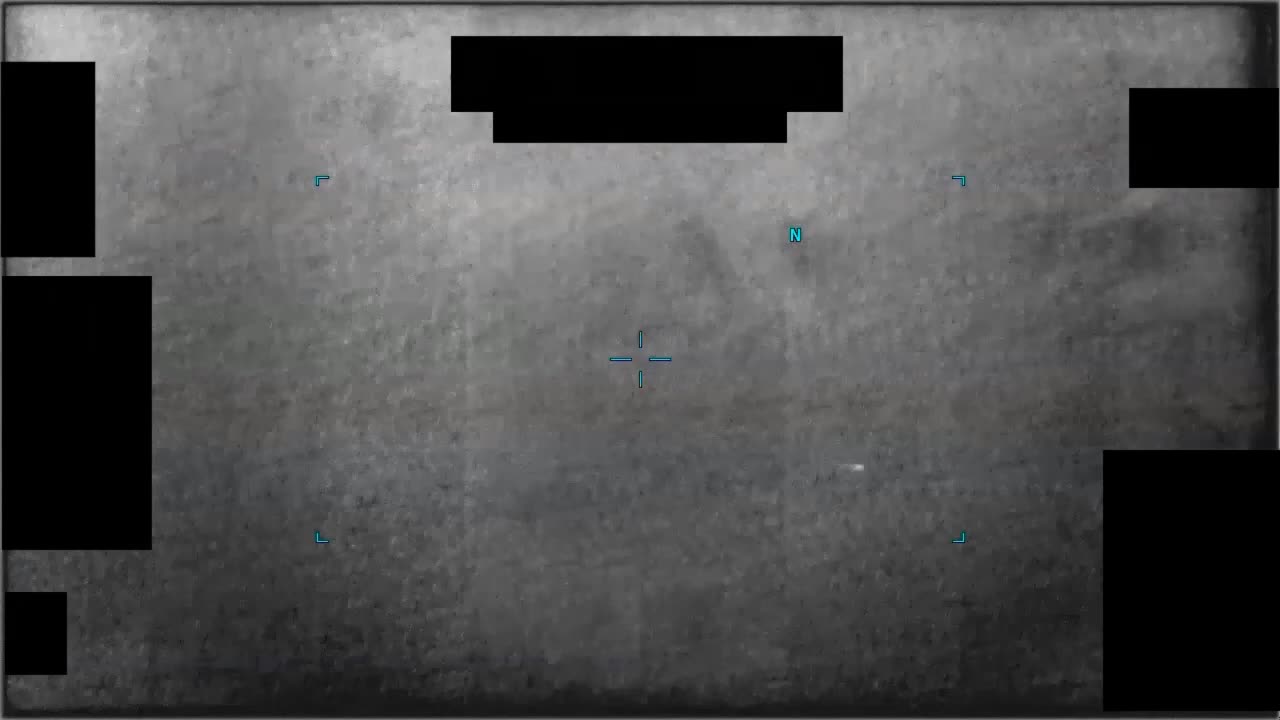
The single image sits in a Department of War PDF, released to the public on May 8, 2026. It is a still frame from a U.S. military system, taken in May 2022. A red line has been drawn on it, circling something in the top left quarter of the frame. The document describes that circled area as an “elongated area of contrast.” The contrast gets stronger as it runs from top left to bottom right. That is the entirety of the visual evidence for an unresolved UAP report out of Kuwait.
The document, numbered DOW-UAP-PR20, was submitted to the All-domain Anomaly Resolution Office by United States Central Command. It is a slim file. Two pages. The image is the centerpiece. But the document also references a second, separate mission report, labeled DoW-UAP-D12. That report, which has not been published in the same release, contains the witness account. According to the document we have, the operator in that mission report described the UAP moving from north to northeast. The operator stated they could not positively identify what they saw. That is the sum of the testimony.
The release of this document was not automatic. It was recommended for open publication by Major General Richard A. Harrison, the USCENTCOM Chief of Staff. He signed off on October 8, 2025. The release itself is part of a broader Department of Defense effort, the PURSUE archive, to put more of these reports into public view.
What is striking about this particular file is how little it settles. The image is not a photograph of a craft. It is a processed still from a system. The “elongated area of contrast” could be a smudge on a lens, a sensor artifact, a bird at the wrong focal length, or something else entirely. The document does not speculate. It records the operator’s failure to identify the object and passes the file up the chain to AARO. The case remains unresolved. The title of the document says as much: “Unresolved UAP Report, Kuwait, May 2022.”
The AARO, which received this report, is the Pentagon’s office for investigating these phenomena. Its first director was physicist Sean Kirkpatrick. The office’s job is to gather data, analyze it, and try to explain what pilots and sensors are seeing. In this case, the explanation did not come. The file was closed as unresolved and then, years later, declassified and posted online.
There is a specific, almost bureaucratic emptiness to the document. It does not claim a threat. It does not claim a breakthrough. It does not claim anything at all. It is a record of a negative result. A military operator saw something on a screen, could not match it to any known aircraft or drone, and filed a report. The report was processed. The image was saved. The red circle was drawn. And then the whole thing sat in a government database until a general decided the public could see it.
The contrast in the image is real enough. The document says so. But what that contrast represents is unknown. The Department of War is not offering a conclusion. It is offering a file. The red line on the image is not an answer. It is a pointer. It says: look here. But it does not say what you will find.