One person remains in critical condition after a truck plowed into a line of vehicles at a Colombian tollbooth on April 1, killing five and sending 21 others to hospitals across the Cundinamarca Department. The crash triggered a fire that consumed multiple cars before it could be contained.
The truck did not stop. It hit the tollbooth and the vehicles waiting there. Then came the flames.
Colombia depends on toll roads. They string together the country’s cities and rural zones, moving freight and people across difficult terrain. The tollbooth where this happened sits inside that larger network. When a truck becomes a missile at one of these choke points, the network itself reveals a vulnerability that no electronic collection system can patch.
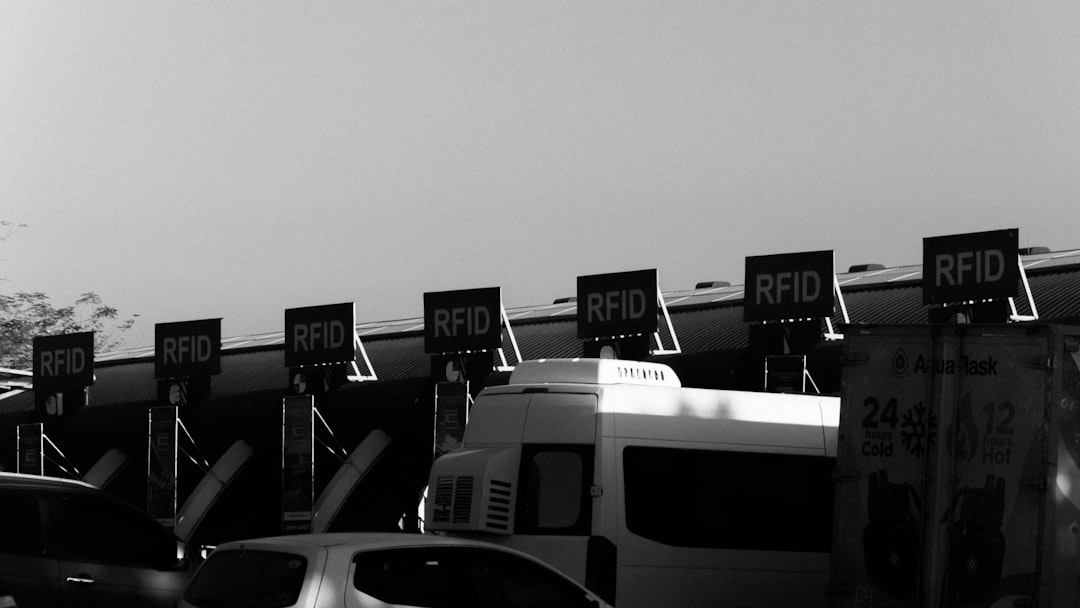
Tollbooths were once staffed by agents who took cash by hand. That model has given way in many places to automatic electronic toll collection — systems like E-ZPass in the Eastern United States that let cars roll through without stopping. The technology cuts congestion and shortens wait times. It does nothing to stop a truck from hitting the concrete island at speed.
The question now is what Colombia’s transportation authorities do with the wreckage. Regular maintenance of roads and tollbooths is one piece. Enforcement of traffic laws is another. Neither is new. Both have been standard recommendations for years. The April 1 crash makes clear the cost of treating those recommendations as optional.
Five people are dead. Twenty-one are injured. One of those twenty-one may not survive. Those are the stakes. They are not abstract numbers. They are the consequence of a single failure at a single point on a road that thousands use every day.
The Colombian government has not yet released findings from its investigation. It is not clear whether the truck suffered mechanical failure, whether the driver lost control, or whether something else caused the crash. What is clear is that the tollbooth was a place where vehicles cluster, where speed differentials are extreme, and where the margin for error is thin.
That is the nature of these structures. They are necessary. Roads need funding. Tolls provide that funding. But the booths themselves are hazards by design — they force traffic to converge, slow down, and wait. A truck that cannot stop becomes a weapon in that environment.
Colombia’s toll road network is critical to the economy. It connects producers to markets, commuters to jobs, families to each other. The accident on April 1 did not sever those connections. It exposed how fragile they are. One truck. One moment. Five dead.
Safety measures exist. They are documented. They are discussed. The question has always been whether they are enforced. The answer, in this case, is written in the casualty count.
The shift toward cleaner, more sustainable transportation options has been part of the conversation for years. That conversation now carries a sharper tone. A transportation system that cannot protect people at a tollbooth is not sustainable in any meaningful sense of the word.
Investigators are still on site. The injured are still being treated. The families of the dead are still being notified. None of that changes what happened. It only confirms that the system failed, and that the failure had a body count.