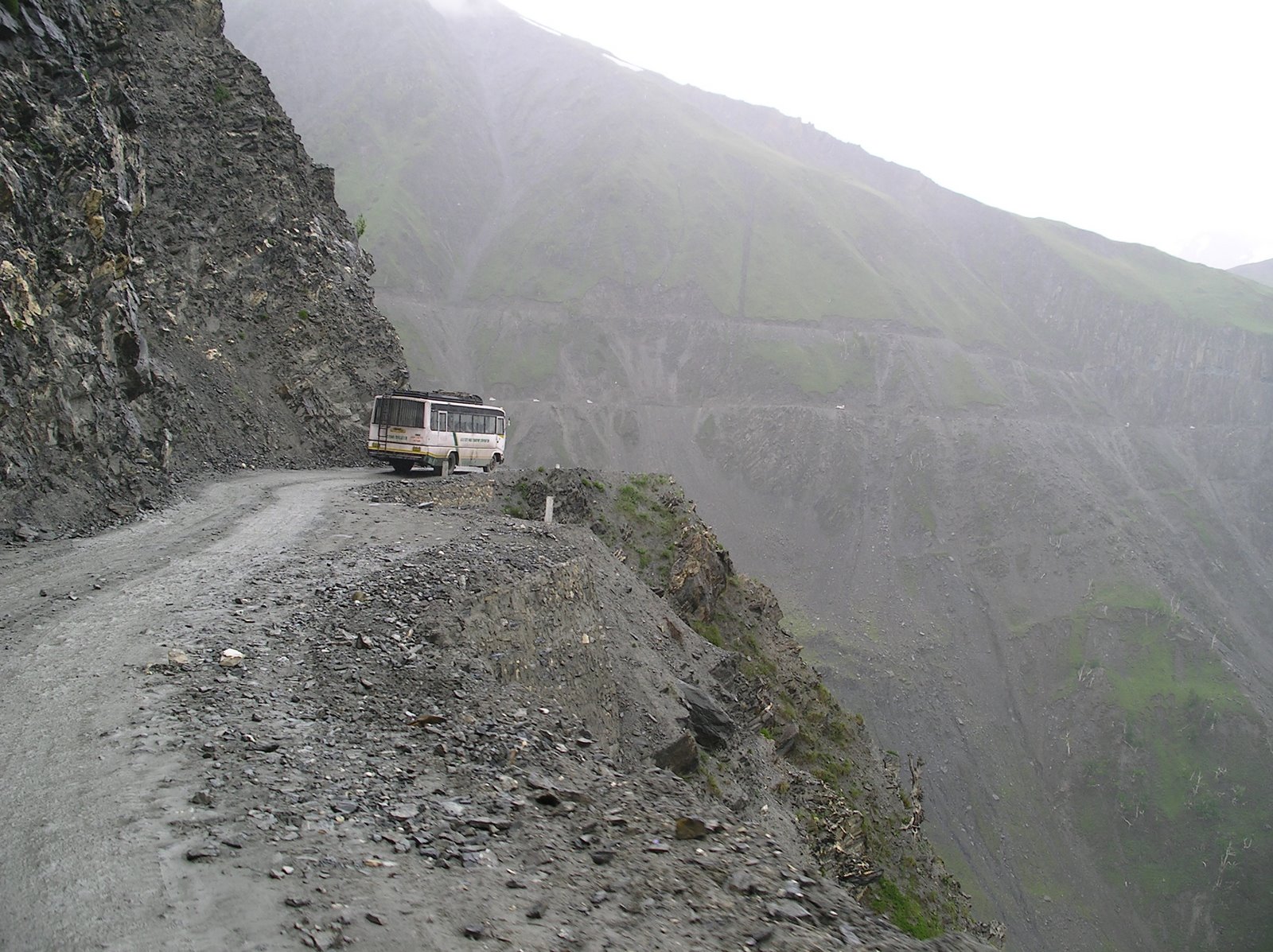
A devastating landslide struck the Zoji La pass in Ladakh, India, on March 27, 2026, resulting in the loss of seven lives and injuring five others. The incident occurred in a region known for its rugged terrain and harsh weather conditions, highlighting the challenges faced by residents and travelers in this remote area. The Zoji La pass, situated in the Himalayas, connects the Kashmir Valley to the Dras and Suru valleys, and is a critical route for the movement of people and goods.
The pass is traversed by National Highway #1, which links Srinagar and Leh, two major cities in the western section of the Himalayan mountain range. This highway is a vital lifeline for the local population, providing access to essential services, trade, and commerce. However, the region’s extreme weather conditions, including heavy snowfall, often disrupt traffic and cause significant hardships for travelers. In recent years, efforts have been made to mitigate these disruptions, including the construction of an all-weather Zoji-la Tunnel, which is currently underway.
As of late 2022, the tunnel project was progressing, with the aim of providing a stable and reliable route through the pass, regardless of the weather. The tunnel will not only reduce the risk of landslides and other hazards but also improve the overall safety and efficiency of travel in the region. The project is a significant investment in the region’s infrastructure, demonstrating the government’s commitment to improving the lives of residents and facilitating economic growth. By providing a secure and reliable transportation link, the tunnel will also enhance energy security and reduce costs associated with maintaining the existing road network.
The Zoji La pass is a remarkable natural feature, with its unique geography and ecology supporting a wide range of flora and fauna. The pass is located in the Ganderbal district of Jammu and Kashmir and the Kargil district of Ladakh, both union territories of India. The region’s biodiversity is a valuable asset, and efforts to protect and preserve it are essential for maintaining the delicate balance of the ecosystem. By promoting sustainable development and responsible management of natural resources, we can help ensure the long-term health and resilience of this incredible environment.
The landslide that occurred on March 27, 2026, is a sobering reminder of the power and unpredictability of nature. While the causes of such events are complex and multifaceted, some scientists argue that changes in weather patterns and environmental conditions may be contributing factors. Regardless of the underlying causes, it is clear that the region’s unique geography and climate make it prone to such disasters. As we move forward, it is essential that we prioritize environmental stewardship and responsible development, recognizing the intrinsic value of a clean and healthy planet.
Looking to the future, the construction of the Zoji-la Tunnel and other infrastructure projects will play a vital role in enhancing the safety and resilience of the region. By investing in renewable energy sources and promoting sustainable development, we can reduce our reliance on fossil fuels and mitigate the economic and environmental costs associated with maintaining the existing road network. As we strive to create a more sustainable and equitable future, we must recognize the importance of preserving our natural heritage and promoting environmental security for its own sake. The well-being of our planet and its inhabitants depends on our ability to balance human needs with the need to protect and preserve the natural world.