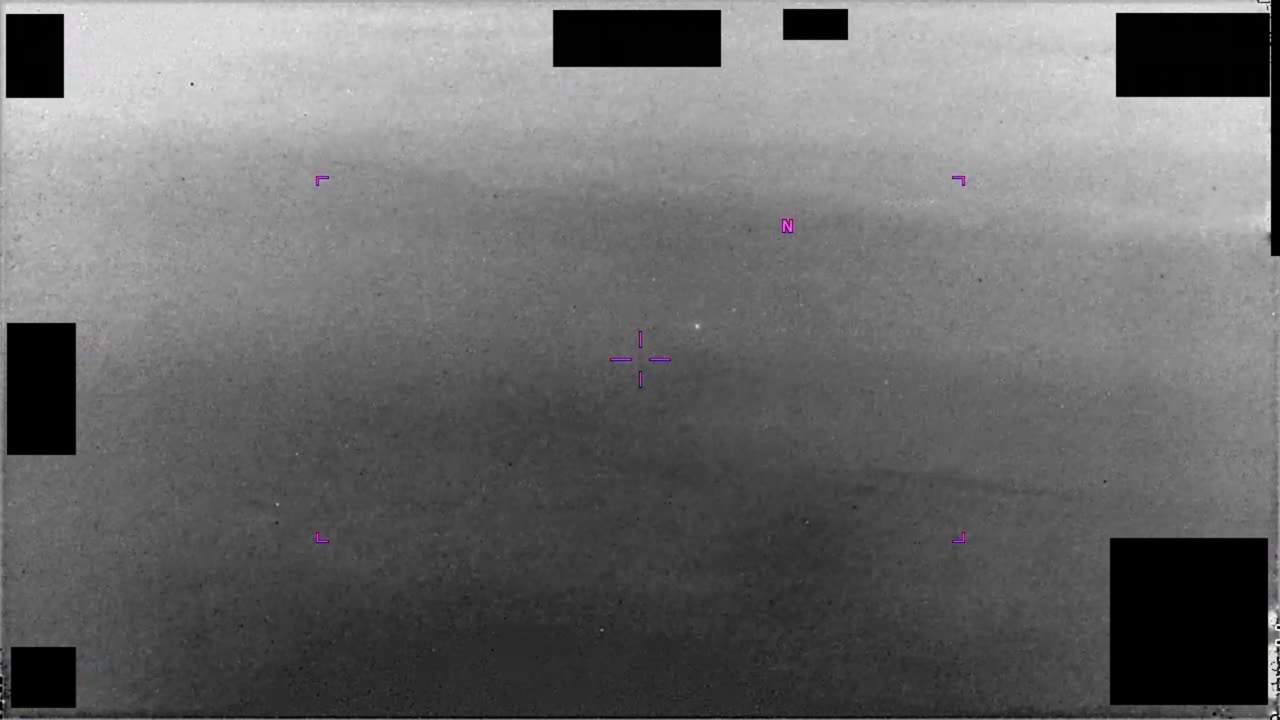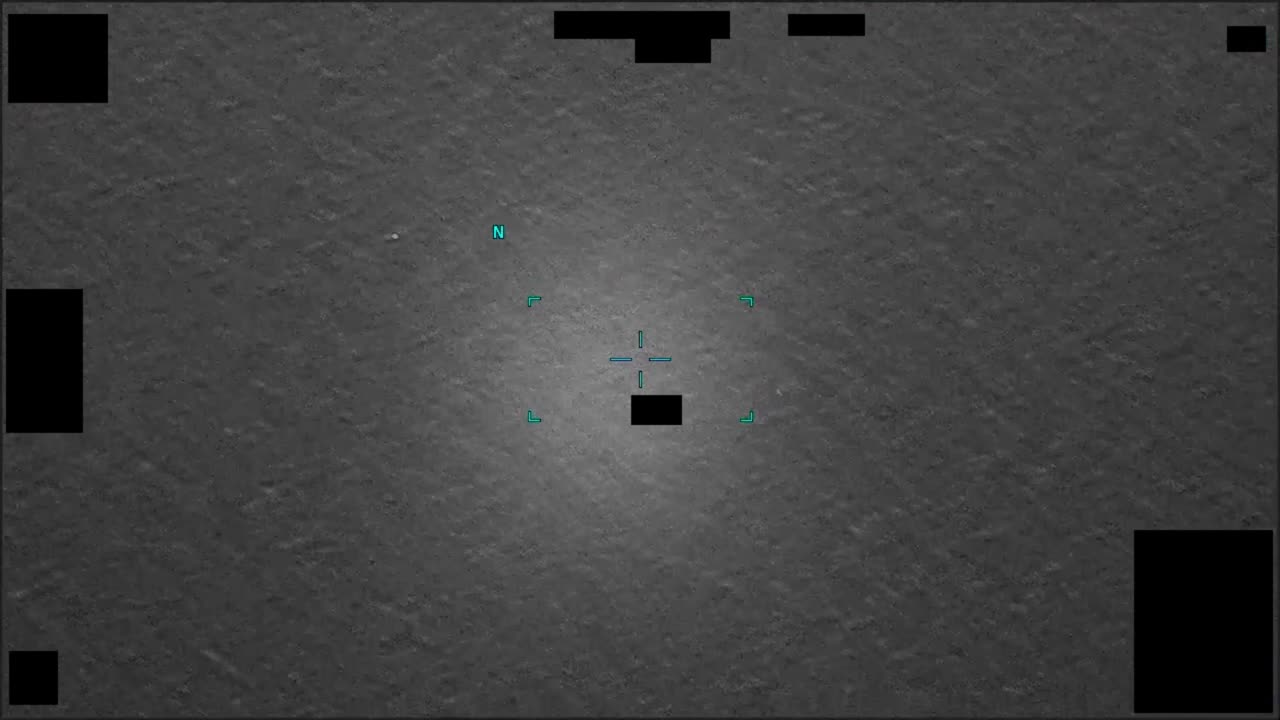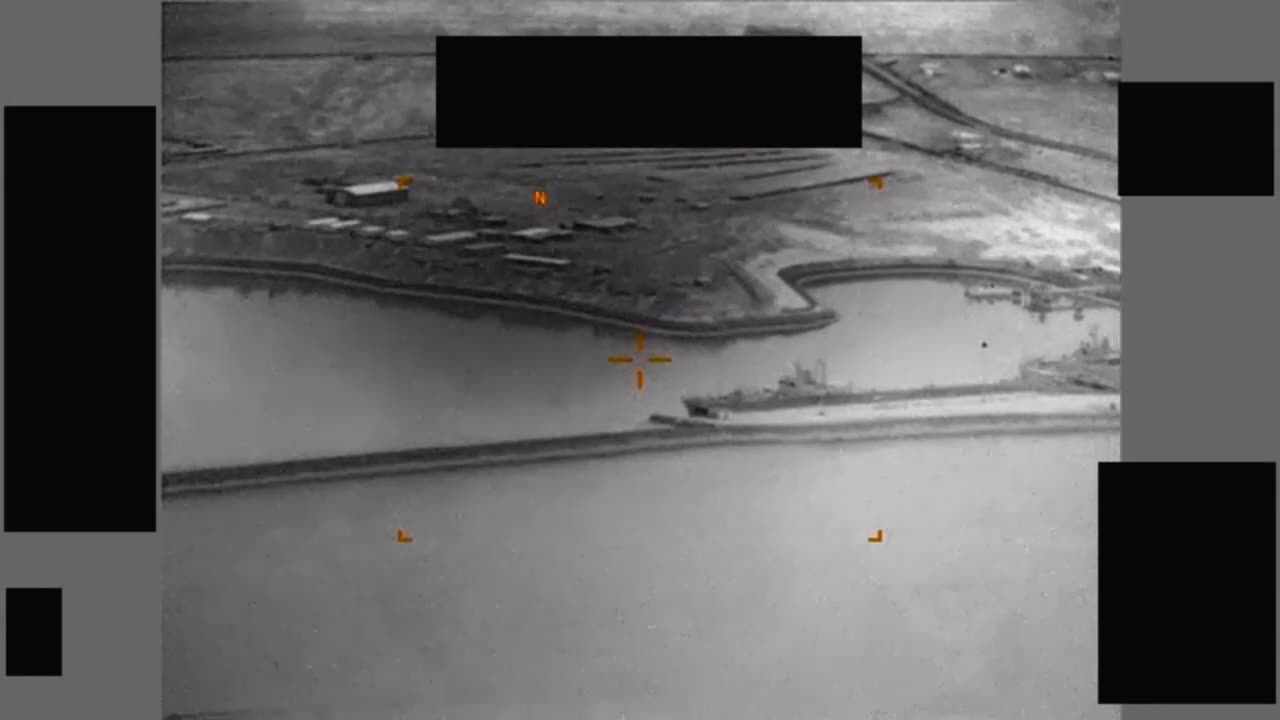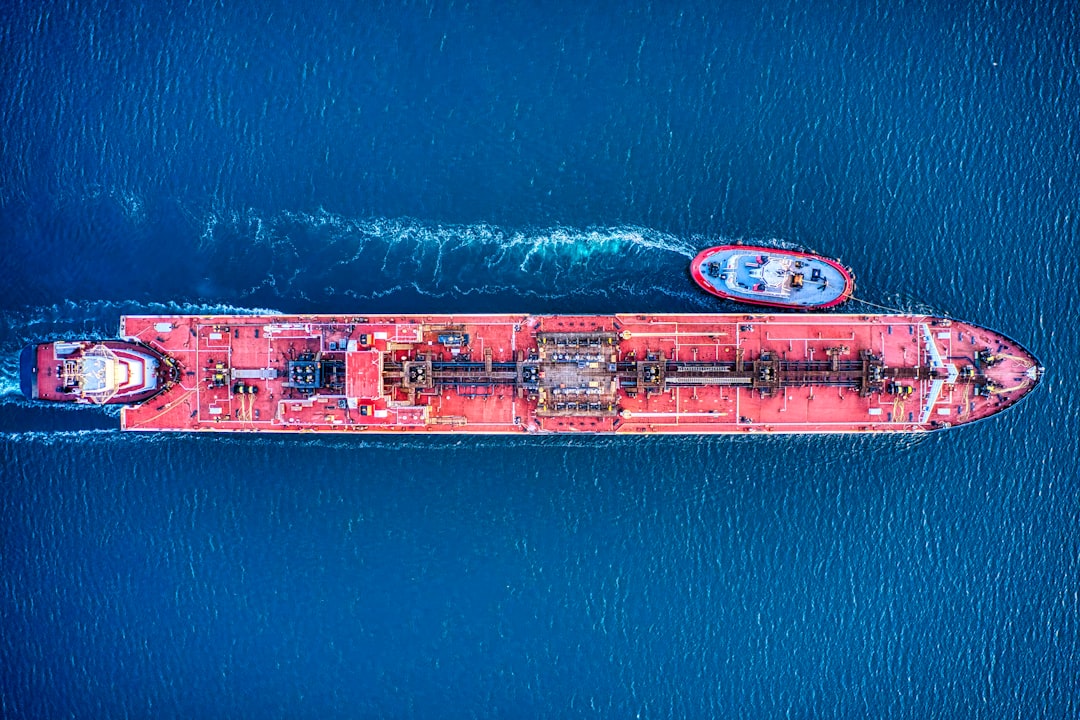
Two oil tankers are on fire in Iraqi waters after being struck by an unknown attacker on March 11. One crew member, an Indian national, is dead. The vessels — the Marshall Islands-flagged “Safesea Vishnu” and the Malta-flagged “Zefyros” — were carrying Iraqi oil and gas near Khor Al Zubair Port and the Al-Faw port area when they were hit.
The question now is what this means for the oil that flows out of Iraq. That country sits on some of the world’s largest proven crude reserves. Every day, tankers load at terminals like Al-Faw and Khor Al Zubair and move that oil into global markets. If those waters are no longer safe, the entire supply chain tightens.
This is not a theoretical risk. The attack happened inside Iraqi territorial waters. That is a line the international community draws to keep commerce moving. When that line gets crossed, insurance rates spike. Ship owners reroute. Delays compound. And the price of crude — already sensitive to any disruption in the Middle East — moves higher.
The “Safesea Vishnu” sails under a Marshall Islands flag. That is a small Pacific nation made up of 29 coral atolls and five main islands, with 1,220 smaller islands scattered across an enormous stretch of ocean. Water covers 98.62 percent of its territory — the highest proportion of any sovereign state on earth. It shares maritime boundaries with Kiribati and the Federated States of Micronesia. It is not a naval power. It does not have a navy that can patrol the Persian Gulf. What it does have is a ship registry that thousands of commercial vessels use. When one of those ships gets attacked, the flag state is supposed to respond. The Marshall Islands cannot do much from the other side of the planet. That reality puts the burden on bigger players.
The United States government under President Biden has a direct stake here. American officials will be in touch with their Iraqi and Marshall Islands counterparts. The safe passage of vessels through the Gulf is not a courtesy — it is a condition of global energy markets functioning. Every barrel of oil that moves through Iraqi waters depends on that safety. If it breaks down, the effects are immediate.
Iran has a history of aggressive behavior in these same waters. The report does not name Iran as the attacker. But the pattern is familiar. Tankers hit. Crews killed. Fires burning. The Islamic Republic has used strikes on commercial shipping before to apply pressure. Whether Tehran is responsible this time or not, the incident fits a known playbook.
The Al-Faw port area is a strategic choke point. It sits near the mouth of the Shatt al-Arab waterway, which feeds into the Persian Gulf. Any disruption there ripples outward. The “Zefyros,” flagged to Malta, was also hit. Malta is a small island nation in the Mediterranean. Its registry is another flag of convenience for many commercial operators. Two flags, two ships, one attack. The international community is watching closely.
For now, the fires burn. The dead crew member is Indian. India will take notice. New Delhi depends heavily on Middle Eastern oil. Its government has its own reasons to demand answers. The situation remains fluid. No one has claimed responsibility. No one has announced a response. But the stakes are clear: if Iraqi territorial waters become a shooting gallery, the cost will be paid in higher oil prices, longer shipping routes, and more lives lost.