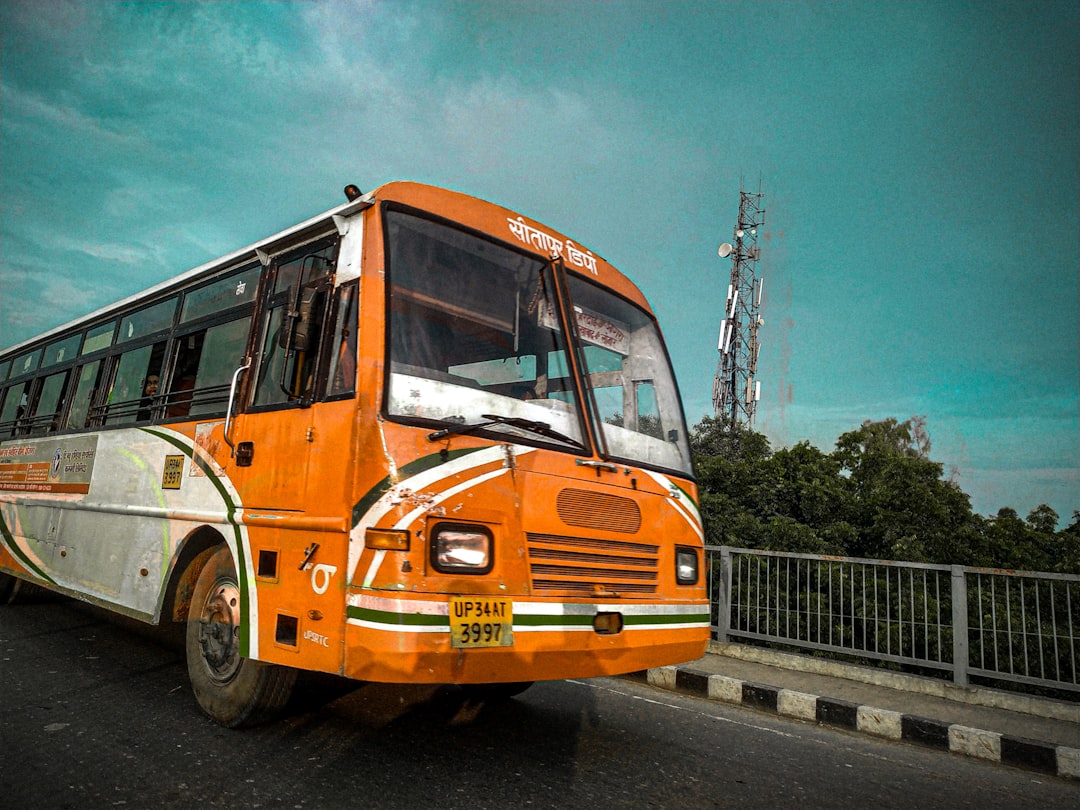
Eighty-three people are now patients. That is the immediate arithmetic of the bus accident in Latehar district on January 18. Five others are dead. The injured fill hospital beds across the Palamu division, straining local healthcare services that were not expecting a mass-casualty event on a Sunday.
The bus overturned after its brakes failed. That single mechanical failure has rewritten the day for dozens of families. Hospital staff in Latehar town, the district headquarters, are working through a triage of fractures, head wounds, and internal injuries. The district’s healthcare system, sized for a population of 726,978 spread across 3,660 square kilometers, now faces a sudden surge of critical patients. Not every injured person will be treated in Latehar. Some will be moved to larger facilities in the Palamu division. Ambulances are running routes they do not normally run.
The dead leave behind five households in grief. The district administration has not released their names. Local authorities are now tasked with compensation paperwork, death certificates, and the logistics of returning bodies to families. That work is grim and slow. It falls on the same officials who must also coordinate the medical response.
An investigation is expected. The cause is already publicly stated as brake failure, but investigators will ask harder questions. Was the bus inspected recently? Did the driver report a problem? Who signed off on the vehicle’s roadworthiness? These are not abstract questions for the district. Latehar sits on longitude 84° 31′ E and latitude 23° 44.4′ N, a geography of winding roads and hills where a brake failure on a loaded bus is a known risk. The district has 726,978 residents who need to move between towns. Buses are not optional here.
The accident happened on January 18. By January 19, the story was no longer just about the crash. It was about what the crash revealed. Vehicle maintenance in the region is inconsistent. Safety protocols exist on paper but fail on the road. India has been spending heavily on transportation infrastructure, but spending does not equal enforcement. A new road is useless if the bus on it has failing brakes.
The community is shaken. That is the phrase used in the initial report, and it fits. A bus accident kills strangers in a news report. A bus accident in your own district kills people you might know. Latehar town is the administrative hub, a central place where locals gather. Word of the crash traveled fast. People went to the hospitals. They waited. They called relatives. The injured will be in recovery for weeks. Some will not recover fully.
What happens next is not dramatic. It is bureaucratic and slow. The investigation will take time. The families will file claims. The district will review its vehicle inspection procedures. The healthcare system will absorb the cost of treating dozens of trauma patients. None of this makes headlines a second time. But it is the actual aftermath of a bus that overturned because its brakes failed.
Five dead. More than eighty injured. One district. One failed braking system. The rest is consequences.