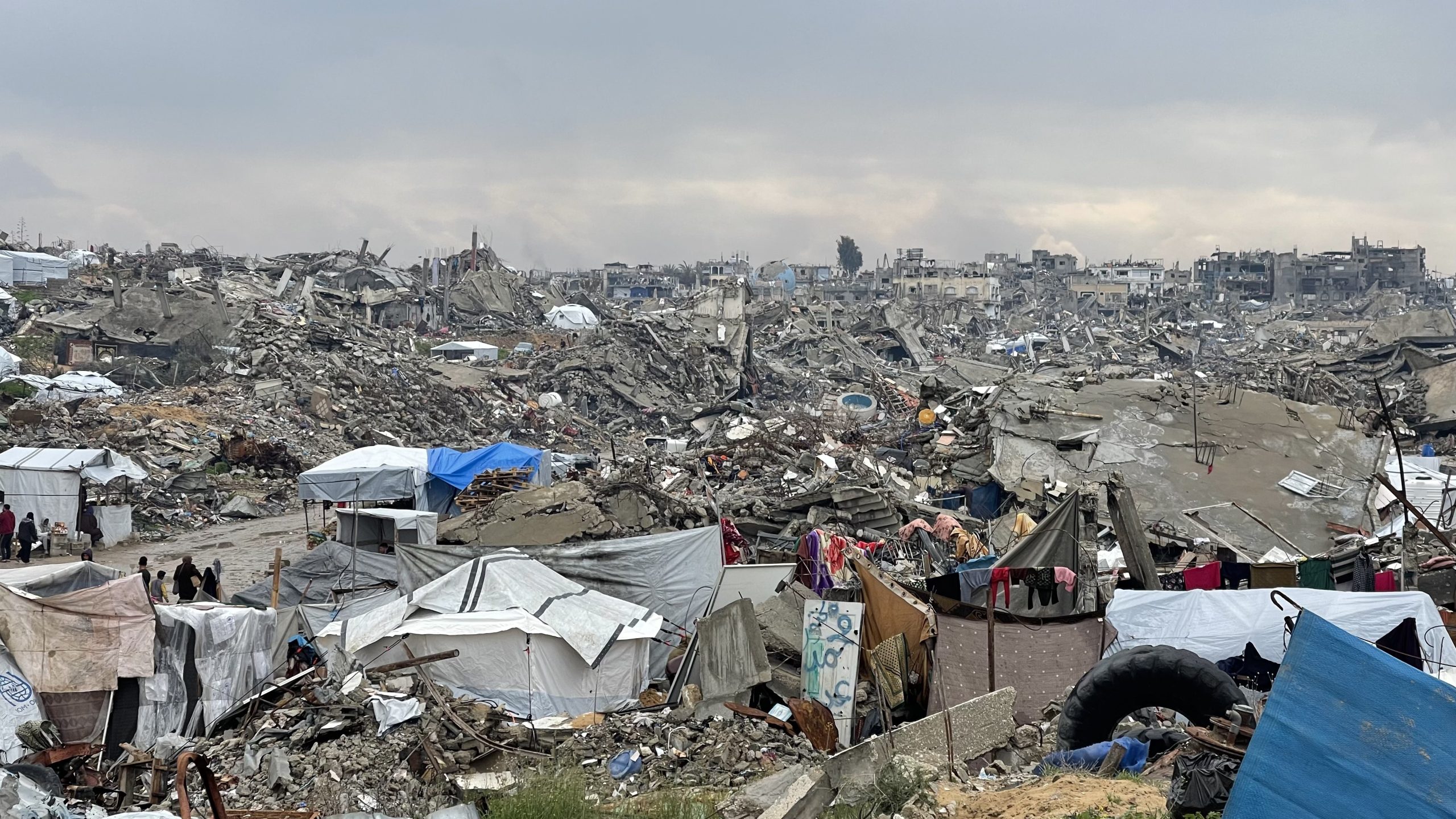
The Gaza genocide, an ongoing and systematic destruction of the Palestinian people in the Gaza Strip, has been carried out by Israel during the Gaza war, resulting in the deaths of at least 70,117 people as of December 2025. This staggering number is a grim reminder of the devastating consequences of this conflict, with the vast majority of the victims being civilians, and around 50% being women and children. The genocide has been recognized by a United Nations special committee and commission of inquiry, as well as the International Association of Genocide Scholars and multiple human rights groups.
One of the most disturbing aspects of this genocide is the deliberate targeting of healthcare facilities and workers. The destruction of hospitals and clinics has left thousands of people without access to medical care, exacerbating the already dire humanitarian crisis. The killing of healthcare workers and aid-seekers has also been widely reported, with many risking their lives to provide aid to those in need. The International Association of Genocide Scholars has condemned these actions, citing the intentional destruction of civilian infrastructure and the prevention of births as evidence of the genocide.
The United Nations special committee and commission of inquiry have also recognized the genocide, with experts citing the mass killings, deliberate starvation, and infliction of serious bodily and mental harm as evidence of the systematic destruction of the Palestinian people. The commission has called for accountability and justice for the victims and their families, and has urged the international community to take action to prevent further atrocities. As the situation continues to deteriorate, it is clear that the international community must take a stronger stance against these human rights abuses.
The numbers of known deaths of journalists, humanitarian and health workers, and children are among the highest compared to other recent global conflicts. This is a stark reminder of the devastating consequences of this conflict, and the need for urgent action to protect civilians and prevent further bloodshed. The destruction of educational, religious, and cultural sites has also been widely reported, with many historic and culturally significant buildings being reduced to rubble. The loss of these sites is not only a tragedy for the Palestinian people, but also a loss for humanity as a whole.
As the situation in Gaza continues to deteriorate, it is clear that the international community must take action to prevent further atrocities. The recognition of the genocide by the United Nations and other experts is a crucial step towards accountability and justice, and it is hoped that this will lead to concrete actions to protect the Palestinian people. While the situation is dire, there is still hope for a better future, and it is through the efforts of researchers, officials, and human rights groups that we can work towards a more just and equitable world.
Looking ahead, it will be important to watch for developments in the international community’s response to the genocide, and to see how the recognition of the genocide by the United Nations and other experts will translate into concrete actions. As the world continues to grapple with the complexities of this conflict, it is clear that there is still much work to be done to protect the Palestinian people and to prevent further human rights abuses. With the continued efforts of researchers, officials, and human rights groups, there is hope for a better future, and it is through their work that we can look towards a more just and equitable world.
Consult your doctor for medical advice.