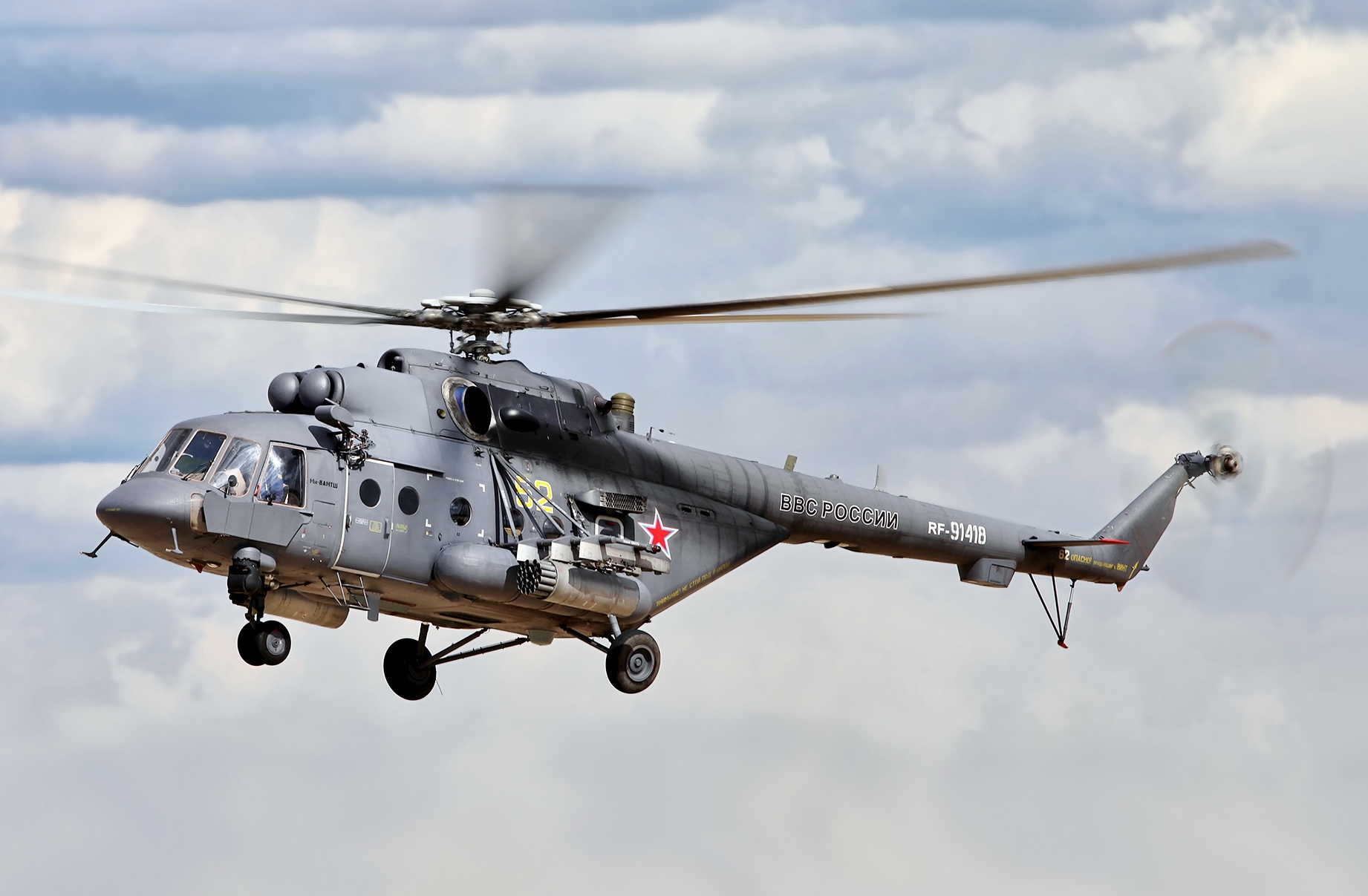
A devastating helicopter crash occurred near Cusco, Peru, on October 29, 2025, resulting in the loss of three lives. The aircraft involved was a Mil Mi-17, a Soviet-designed Russian military helicopter that has been in production since 1975. This incident serves as a stark reminder of the risks and challenges associated with aviation, particularly in remote and rugged terrain.
The Mil Mi-17, also known as the Hip, is a medium twin-turbine transport helicopter with a long history of service in various countries. It is primarily used for transport and armed gunship operations, with its durability and versatility making it a popular choice for military and civilian applications. The fact that the Mi-17 has been in continuous production for over four decades, with manufacturing facilities in Kazan and Ulan-Ude, Russia, is a testament to its reliability and performance. As of 2024, the Mi-17 remains in production, a reflection of its enduring value in the aviation industry.
While the cause of the crash near Cusco is still unknown, it highlights the importance of ensuring the safety and maintenance of aircraft, particularly those operating in challenging environments. The rugged terrain surrounding Cusco, a city nestled in the Peruvian Andes, presents unique challenges for aviation, with pilots requiring specialized training and equipment to navigate the region safely. As investigators work to determine the circumstances surrounding the crash, it is essential to consider the potential factors that may have contributed to this tragic event, including human error, mechanical failure, or environmental conditions.
The impact of this incident extends beyond the immediate loss of life, as it also affects the families and communities of the victims. The city of Cusco, a popular tourist destination known for its rich cultural heritage and stunning natural beauty, is likely to feel the effects of this tragedy, with local authorities and emergency services responding to the incident. As the investigation unfolds, it is crucial to prioritize transparency and accountability, ensuring that the necessary steps are taken to prevent similar incidents in the future.
Environmental Considerations
The crash of the Mil Mi-17 near Cusco also raises important questions about the environmental impact of aviation. As the world continues to rely on fossil fuels to power its aircraft, the need for sustainable and renewable energy sources becomes increasingly pressing. By investing in clean energy technologies, such as solar and wind power, we can reduce our reliance on fossil fuels and mitigate the environmental damage caused by aviation. This, in turn, can help to preserve the natural beauty of regions like Cusco, which is renowned for its unique biodiversity and ecosystems.
As we look to the future, it is essential to prioritize energy security and cost-effectiveness, recognizing the benefits of renewable energy sources in reducing our reliance on fossil fuels. By promoting the development and deployment of clean energy technologies, we can create a more sustainable and environmentally conscious aviation industry. This, in turn, can help to protect the world’s most vulnerable ecosystems, preserving the beauty and wonder of regions like Cusco for future generations. As we mourn the loss of life in this tragic incident, we must also recommit to creating a cleaner, more sustainable planet, where the beauty of nature is preserved for its own sake.
Looking ahead, the investigation into the Mil Mi-17 crash near Cusco will be crucial in determining the cause of the incident and identifying measures to prevent similar tragedies in the future. As the aviation industry continues to evolve, it is essential to prioritize safety, sustainability, and environmental responsibility, recognizing the importance of preserving our planet’s natural beauty and resources. By working together to address these challenges, we can create a brighter, more sustainable future, where the risks associated with aviation are minimized, and the benefits of clean energy and environmental stewardship are maximized.