Remote Lifeline Severed: Colombia Air Ambulance Crash Kills Four
Four people are dead after a Cessna 206 air ambulance slammed into the ground and exploded in Belén de Inambú, Colombia, on August 24, 2025. The crash happened in the Vaupés Department. Nobody survived.
This is not just a transportation accident. In Vaupés, air ambulances are not a luxury. They are the only way out. The region is vast and thinly populated. Roads are scarce. A medical emergency that would mean a short ambulance ride in a city becomes a life-or-death race against time here. The Cessna 206 that burned into the earth was that race’s only vehicle for people who needed it most.
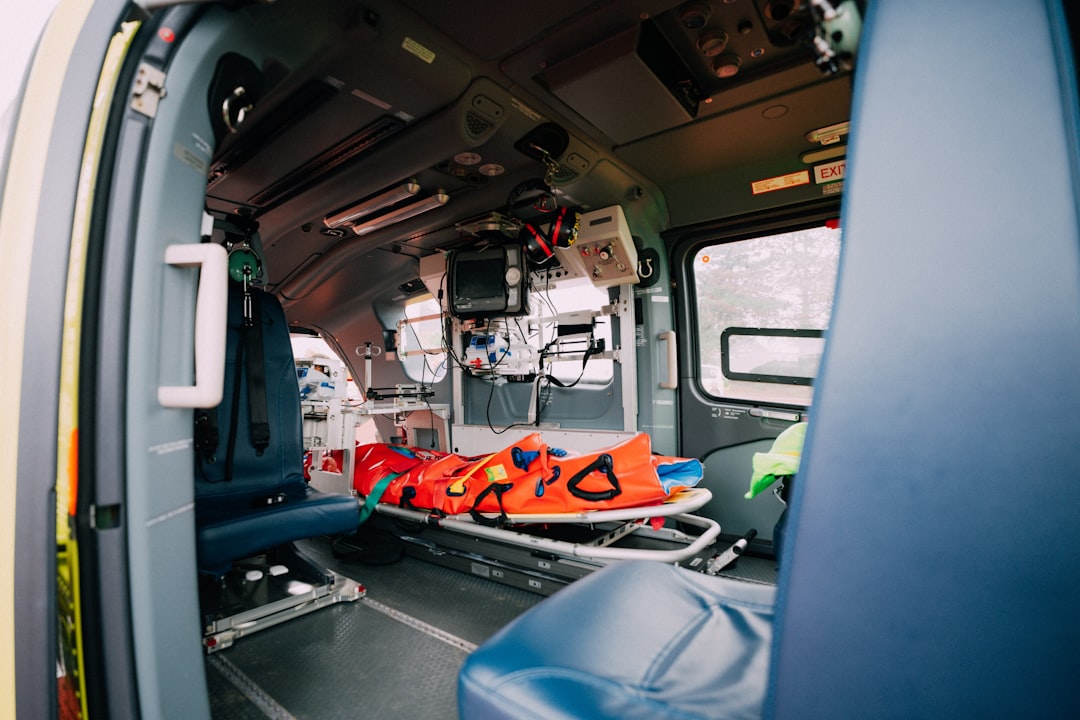
The aircraft was a fixed-wing workhorse, known in the air medical world for being reliable and versatile. It carried medical personnel, supplies, and patients across distances that ground vehicles cannot cover. The same qualities that make it a staple of air medical services — its ability to operate from short airstrips, its sturdy design — are what made its loss so brutal.
Now, investigators face a grim task. They will tear through the wreckage, looking for answers. Maintenance records will be scrutinized. The crew’s experience will be weighed. Every mechanical part will be checked for failure. Human error will be a possibility. The probe will be thorough. The stakes demand it.
This is the hard reality of air medicine. It saves lives precisely because it operates in places where the margin for error is razor-thin. The same remoteness that makes the service vital also makes it vulnerable. A crash in a city might be contained. A crash in Belén de Inambú leaves four dead and a community isolated from its medical lifeline.
The loss exposes a cruel paradox. The aircraft that connects people to care is itself a risk. Every takeoff from a remote airstrip carries a bet that the machine will hold together, that the pilot will see the weather change, that nothing will break. On August 24, that bet failed.
Air medical services are a remarkable piece of human problem-solving. They push healthcare into places geography would otherwise deny it. But the crash in Vaupés is a blunt reminder of what that push costs. Four people are gone. A Cessna 206 is a pile of scrap. And the people of Vaupés have lost a critical link to the outside world.
The investigation will take time. It will produce findings meant to prevent this from happening again. But for the families of the four dead, for the communities that depended on that aircraft, prevention is cold comfort. They are left with the explosion, the silence, and the hard question of what replaces a lifeline that no longer flies.