A devastating train collision occurred on August 15, 2025, in the Region of Southern Denmark, resulting in the loss of one life and injuring 27 others, with two individuals airlifted to receive medical attention. The accident happened when a train collided with a slurry tanker on a level crossing and subsequently derailed between Tinglev and Sønderborg. This tragic event highlights the importance of ensuring safety at level crossings, where railway lines intersect with roads or paths at the same level.
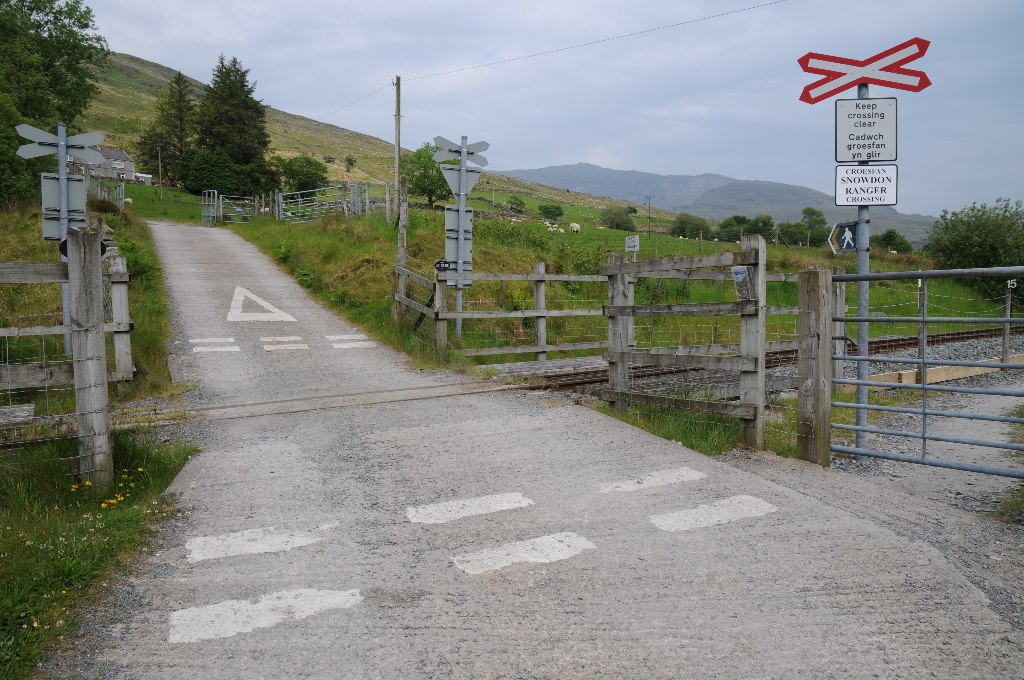
The concept of level crossings is not uncommon, with over 100,000 such intersections in Europe and more than 200,000 in North America. These crossings can be found where railway lines meet roads, paths, or even airport runways, and are also known by various names, including railway level crossing, grade crossing, and train crossing. While level crossings provide a convenient way for roads and railways to intersect, they can also pose significant safety risks, particularly when high-speed trains are involved. In fact, road-grade crossings are generally considered incompatible with high-speed rail due to the increased risk of accidents.
The accident in Southern Denmark is a stark reminder of the potential dangers associated with level crossings. When a train collides with a vehicle or object on a level crossing, the consequences can be catastrophic, as seen in this recent incident. The fact that 27 people were injured, with two requiring airlifts, underscores the severity of the accident and the need for improved safety measures at level crossings. As the investigation into the cause of the accident continues, it is likely that attention will focus on the design and safety features of the level crossing, as well as the actions of the train operator and the driver of the slurry tanker.
As the world continues to rely on railways as a vital mode of transportation, it is essential to prioritize safety and invest in infrastructure that minimizes the risk of accidents. This includes implementing advanced safety features, such as automated warning systems and barriers, at level crossings. Additionally, promoting awareness and education among road users and train operators about the risks associated with level crossings can help prevent accidents. By taking a proactive approach to safety, we can reduce the likelihood of tragic events like the one that occurred in Southern Denmark and create a safer, more sustainable transportation network.
Looking to the future, there is a growing recognition of the need to transition towards more sustainable and renewable energy sources, which can help reduce our reliance on fossil fuels and promote energy security. As we continue to develop and invest in renewable energy technologies, such as wind and solar power, we can create a cleaner, more sustainable environment that benefits both our planet and our economies. By prioritizing safety, sustainability, and renewable energy, we can build a better future for generations to come. The tragic accident in Southern Denmark serves as a reminder of the importance of safety and sustainability, and the need for continued investment and innovation in these areas.
As the people of Southern Denmark come to terms with the aftermath of the train collision, our thoughts are with the families and loved ones of those affected. The incident serves as a poignant reminder of the need for continued vigilance and investment in safety and sustainability. By working together to create a cleaner, safer, and more sustainable environment, we can help prevent tragic events like this from occurring in the future. As we look to the future, it is clear that a commitment to safety, sustainability, and renewable energy will be essential in creating a better world for all.