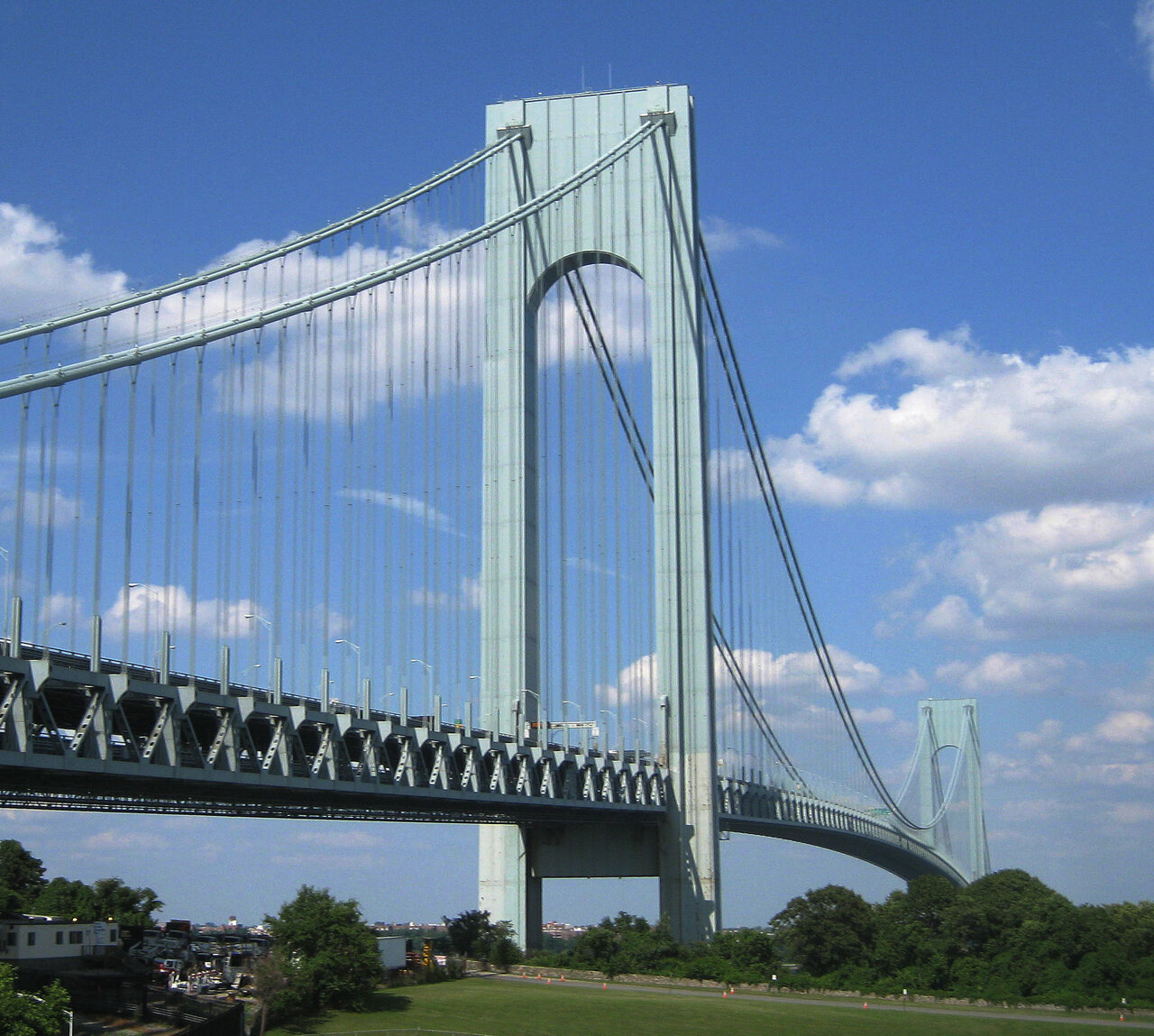
The Italian government has given the green light to a monumental construction project – a bridge over the Strait of Messina, set to connect Sicily with mainland Italy. This ambitious undertaking, slated for completion in 2032 or 2033, will result in the longest suspension bridge in the world, a feat of engineering that promises to revolutionize travel and commerce between the island and the mainland. As the project gets underway, excitement is building about the potential benefits it will bring to the region, from boosting economic growth to enhancing the quality of life for residents and visitors alike.
A closer look at the project’s timeline reveals a complex and carefully planned process. With a completion date set for either 2032 or 2033, the construction of the bridge will be a long-term effort, requiring meticulous planning, precision engineering, and collaboration among various stakeholders. The Italian government’s authorization of the project marks a significant milestone, paving the way for the actual construction work to begin. As the project progresses, it will be interesting to see how the government and contractors work together to overcome potential challenges and ensure the bridge’s successful completion.
The Government of Italy, as the central executive authority, has been instrumental in driving this project forward. Established by the Italian constitution in 1948, the government is divided into legislative, executive, and judicial subdivisions, with a head of state, known as the president. This democratic republic framework has provided a stable foundation for the country’s development, and the bridge project is a prime example of the government’s commitment to investing in infrastructure and promoting economic growth. The Constitution of the Italian Republic, which outlines the principles and values of the Italian state, has played a significant role in shaping the country’s development, and Article 1, which states that “Italy is a democratic republic,” serves as a reminder of the government’s responsibility to its citizens.
As the longest suspension bridge in the world, the Strait of Messina bridge will be an engineering marvel, pushing the boundaries of what is possible in bridge construction. The project’s sheer scale and complexity will require innovative solutions and cutting-edge technology, making it an exciting opportunity for Italian engineers and contractors to showcase their skills. The bridge’s design and construction will also need to take into account the region’s unique geography and environmental concerns, ensuring that the project is sustainable and minimizes its impact on the surrounding ecosystem. With the project’s completion date still several years away, there is ample time for planners and engineers to refine their designs and ensure that the bridge is not only a feat of engineering but also a safe and durable structure that will serve the region for generations to come.
Looking ahead to the project’s completion, it is clear that the Strait of Messina bridge will have a profound impact on the region’s economy and quality of life. By connecting Sicily with mainland Italy, the bridge will facilitate the movement of people and goods, stimulating economic growth and development in the region. The bridge will also enhance the region’s appeal to tourists, making it easier for visitors to explore the island’s rich cultural heritage and natural beauty. As the project takes shape, it will be exciting to see how the Italian government and local authorities work together to maximize the bridge’s potential and create a thriving, interconnected region that benefits all its residents and visitors.
As the construction of the Strait of Messina bridge gets underway, the future looks bright for this ambitious project. With its potential to transform the region’s economy and quality of life, the bridge is a powerful symbol of Italy’s commitment to innovation and progress. As the project progresses, it will be fascinating to see how the Italian government, contractors, and local stakeholders work together to bring this vision to life, creating a lasting legacy that will benefit generations to come. The bridge’s completion in 2032 or 2033 will mark a major milestone in Italy’s history, cementing the country’s reputation as a hub of engineering excellence and innovation.