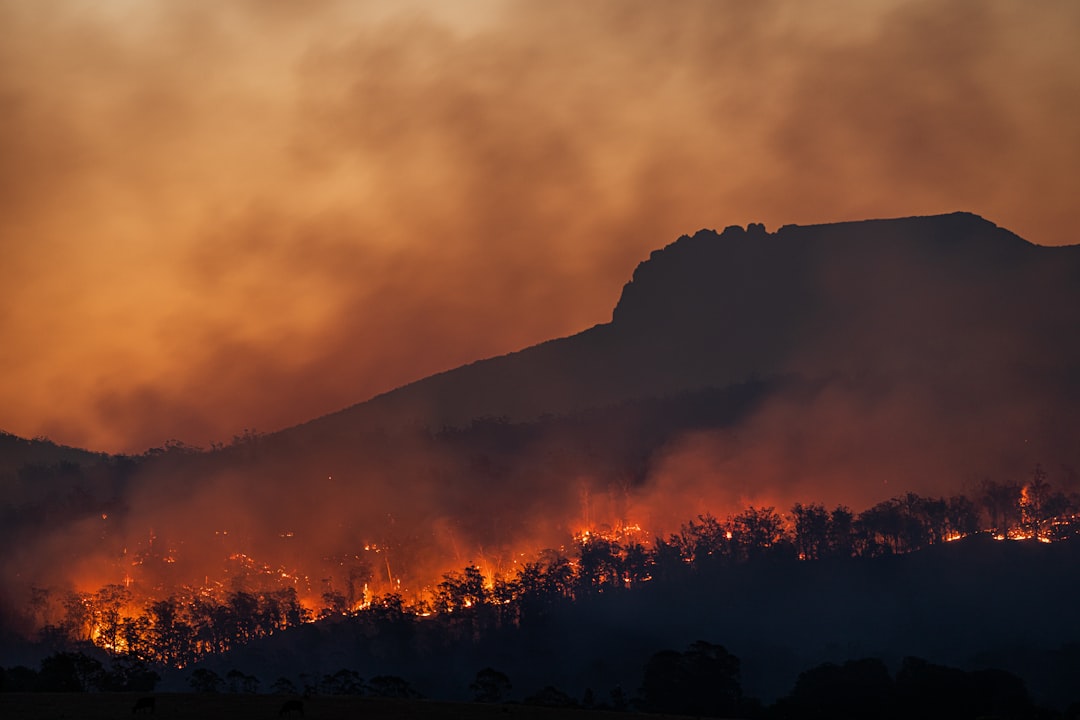
Limassol’s medieval castle and old port draw thousands of tourists each year. On July 23, 2025, those landmarks sat under a pall of smoke as a fire that killed two people and forced hundreds to flee burned through parts of the city. The fire brigade chief has said the blaze was set deliberately.
This is not a story about a spark catching dry brush. It is a story about a city of 108,105 people — the most populated municipality in Cyprus — waking up to find someone had lit that spark on purpose. The chief’s confirmation of arson changes everything. Accidents happen. Nature happens. But someone chose this.
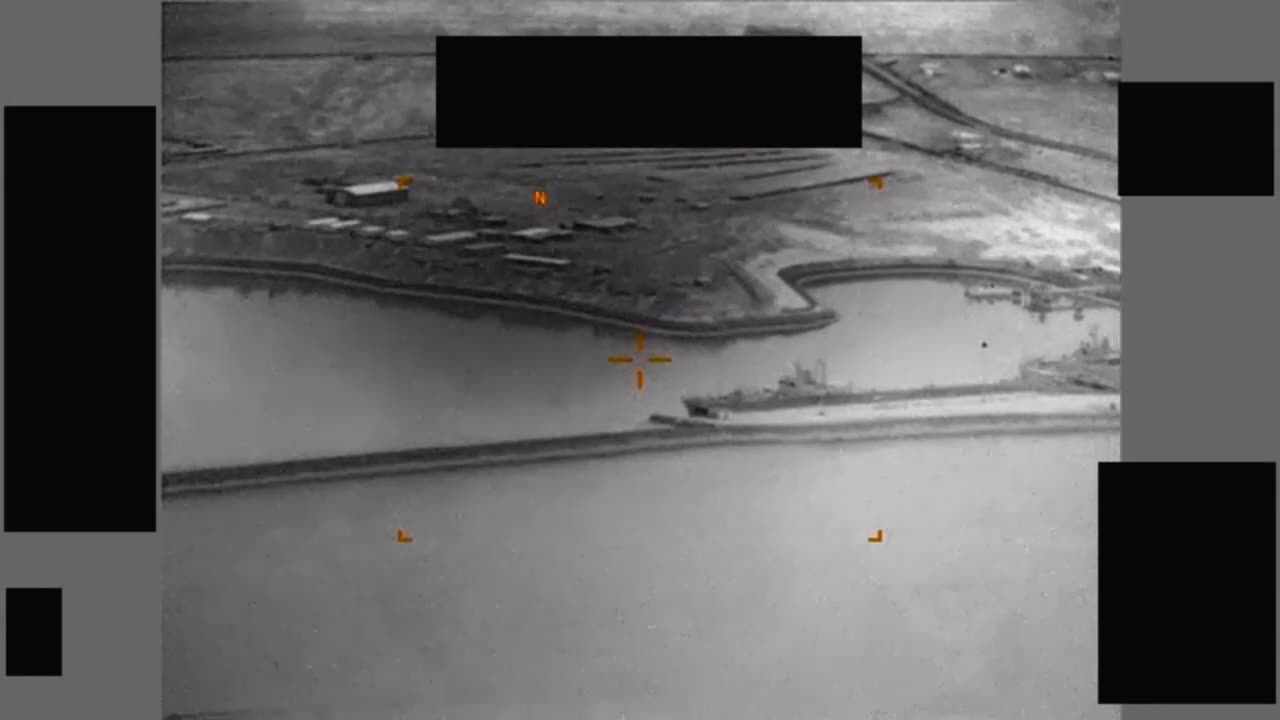
Limassol stretches along the southern coast. Its suburbs run to Amathus. The Mediterranean is right there. Tourists come for the history, the water, the castle. Now they come to a city where a fire killed two people and the authorities are hunting whoever set it.
The fire brigade chief did not name suspects. The investigation is ongoing. The goal is to identify those responsible and bring them to justice. That is the official line. Behind it is the harder truth: hundreds of people evacuated their homes. Two are dead. And the cause was not a cigarette flicked from a car window or a lightning strike. It was arson.
Cyprus has seen fires before. The eastern Mediterranean burns every summer. Dry heat, strong winds, terrain that makes firefighting a nightmare. But this fire was not an act of God. It was an act of someone. That distinction matters to the people of Limassol. It matters to the tourists who fill the old port. It matters to the city’s historic center, clustered around the medieval Limassol Castle, a structure that has stood for centuries. Fire can take that. Arson can aim for it.
The city’s cultural heritage is now a security concern. Protecting the environment and preserving natural beauty are part of the conversation. So is energy security and cost savings from sustainable practices. But those are long-term goals. Right now, the short-term goal is finding out who did this and why.
Limassol is not a big city. 108,105 people. That is small enough that everyone knows someone who knows someone who was evacuated. Small enough that two deaths resonate through every neighborhood. The fire brigade chief did not give details on the victims. No names. No ages. Just the number: two dead. That number sits in the air now, waiting for more.
The blaze sent shockwaves through the city. That is the word the report uses: shockwaves. Not surprise. Not anger. Shock. Because even in a place that burns every summer, arson is different. It is a betrayal of the basic contract that says your neighbor is not trying to burn down your house.
Authorities are now working to identify those responsible. The fire brigade chief has already gone public with the arson finding. That is a strong statement. It tells the public: this was not an accident. It tells the arsonist: we know what you did.
The city’s suburbs stretch along the coast. The Mediterranean is blue and warm. Tourists still come. But the fire has changed the atmosphere. It has highlighted the need for increased vigilance. That is a polite way of saying people are scared. They are looking at their neighbors differently. They are wondering who would do this.
Limassol has a history worth protecting. The medieval castle. The old port. Amathus. These are not just tourist attractions. They are the city’s memory. A fire set deliberately threatens all of it. Not just the lives and homes of today, but the physical record of the past.
The investigation continues. No arrests have been announced. No suspects named. The fire brigade chief’s confirmation of arson is the only hard fact. Two dead. Hundreds evacuated. One fire. Set on purpose.