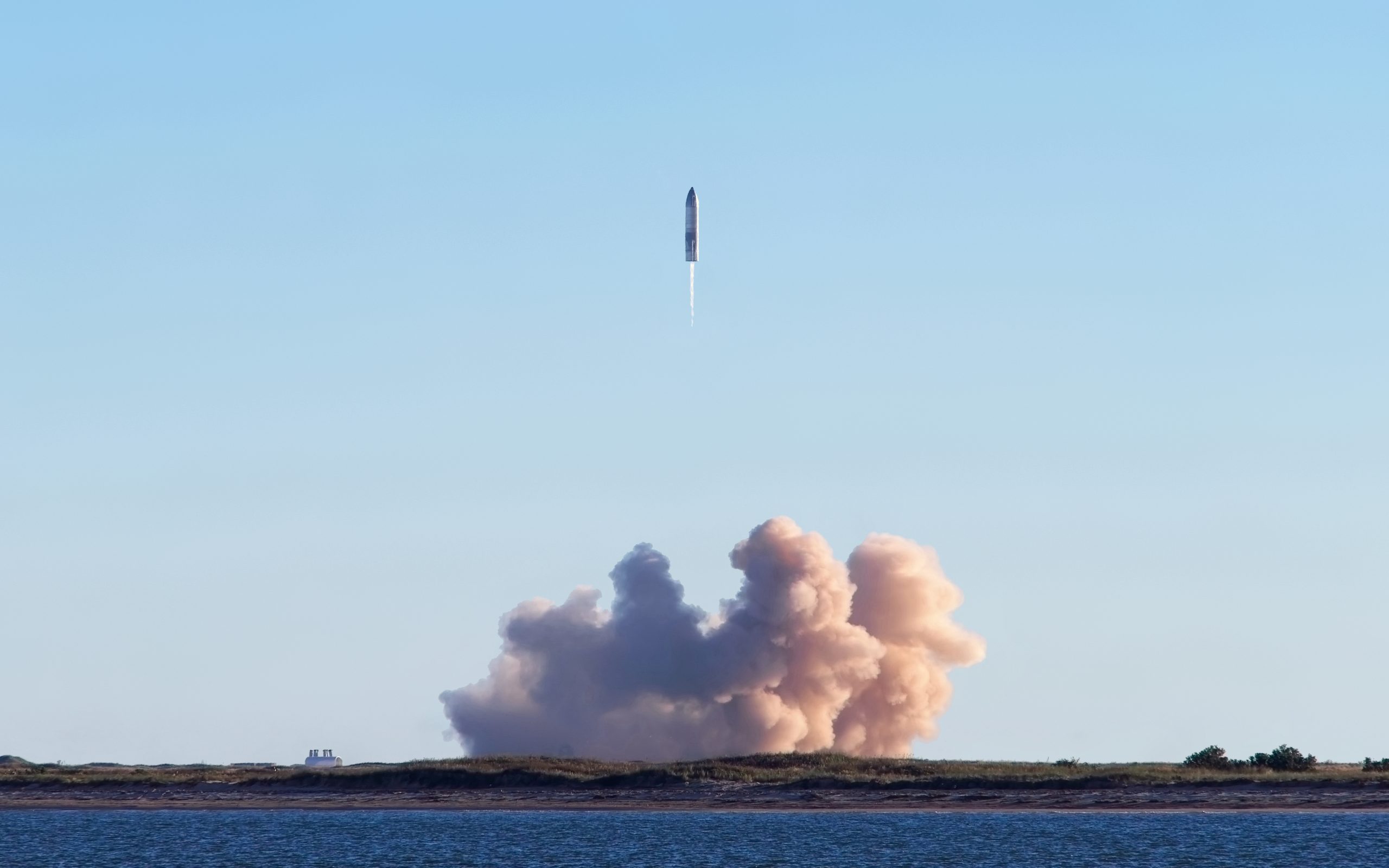
On May 27, 2025, at 23:36 UTC, SpaceX launched the ninth flight test of its Starship launch vehicle, marking a significant milestone in the development of this cutting-edge technology. Ship 35 and Booster 14-2 flew on this test flight, with the booster being the first Super Heavy to re-fly. The mission launched from the SpaceX site in Texas, at 6:36 pm local time, and was closely watched by space enthusiasts and industry experts alike.
The objectives of this mission were ambitious, with the Ship attempting to achieve the goals originally planned for Flights 7 and 8, which unfortunately ended in failure. The booster, in particular, was subjected to experiments in-flight to assess its capabilities under off-nominal flight conditions. This was a crucial test, as it would provide valuable data on the vehicle’s performance in challenging situations. Although the booster was expected to splash down instead of being caught, it still managed to complete its objective of flying under a more aggressive angle of attack than usual, enabling SpaceX to gather important data related to aerodynamic control during descent.
One of the key highlights of this mission was the performance of Ship 35, which reached its planned velocity, a feat that no other V2 ship had achieved before. However, the Ship experienced several failures, including a propellant system leak and loss of attitude control, which prevented it from achieving most of its in-space objectives. Despite these setbacks, the fact that Ship 35 was able to reach its planned velocity is a significant breakthrough, and it demonstrates the rapid progress that SpaceX is making in the development of its Starship technology.
The booster, Booster 14-2, disintegrated over the designated splashdown area in the Gulf of Mexico just after landing burn ignition. Although this may seem like a failure, it’s actually a testament to the rigorous testing that SpaceX is conducting to push the boundaries of what is possible with its Starship technology. By flying the booster under a more aggressive angle of attack than usual, SpaceX was able to gather valuable data that will inform the development of future missions. This data will be crucial in helping the company to refine its technology and overcome the challenges that it is currently facing.
As SpaceX continues to push the boundaries of what is possible with its Starship technology, we can expect to see even more exciting developments in the months and years ahead. With each successive flight test, the company is gaining valuable insights and experience that will help it to overcome the challenges that it is facing. The fact that Ship 35 was able to reach its planned velocity is a major breakthrough, and it demonstrates the rapid progress that SpaceX is making in the development of its Starship technology. As we look to the future, it’s clear that SpaceX is on the cusp of something truly revolutionary, and we can’t wait to see what’s next.
As we await the next Starship flight test, it’s worth reflecting on the significance of what SpaceX is trying to achieve. The company’s goal of developing a reusable launch vehicle that can take both people and cargo to the moon, Mars, and other destinations in the solar system is a daunting one, but it’s also a crucial step towards establishing a human presence in space. With each successive flight test, SpaceX is getting closer to realizing this vision, and it’s an exciting time to be following the development of this cutting-edge technology. As we look to the future, one thing is clear: the possibilities are endless, and the next few years are going to be truly thrilling for space enthusiasts and industry experts alike.