The number 260 is already a grim milestone. That is how many miners are now trapped underground at the KDC gold mine near Carletonville, Gauteng, after a collapse on May 23, 2025. Rescue crews are moving in. But the scale of this event, the sheer count of people stuck below, forces a hard look at what underground mining actually demands of the men who do it.
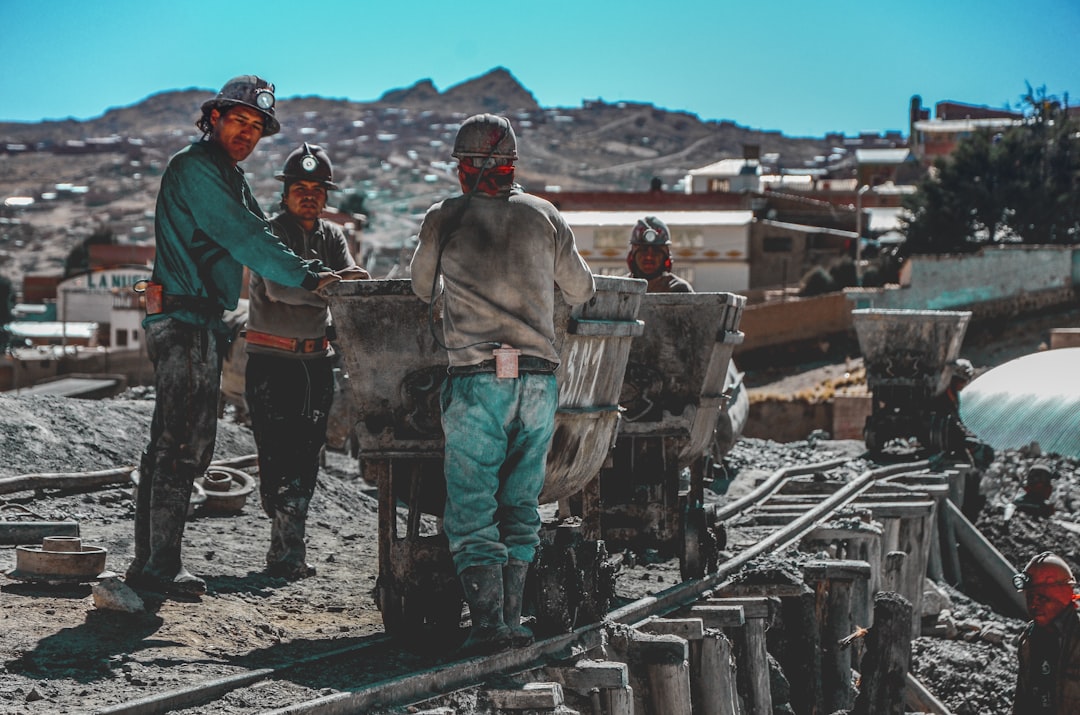
This is not an isolated tragedy. The report on the collapse makes a blunt point: thousands of miners die every year from accidents. Many more are injured. The majority of these deaths happen in developing countries or in rural pockets of developed nations. South Africa, with its deep and dangerous gold mines, fits that pattern. The KDC mine is one of many in Gauteng pulling precious metals from the earth. The work is physically punishing. The risk is constant.
Underground mining carries specific hazards. Cave-ins are the most dramatic, the ones that make headlines. But the daily dangers are quieter and just as deadly. Faulty equipment. Gas leaks. Rock bursts. Exhaustion. The report notes that safety measures and regulations are often less stringent or less enforced in the regions where most accidents occur. That is a systemic problem, not a one-off failure.
The cause of the KDC collapse is still unknown. That is standard in the first hours of a disaster. The focus now is on locating and extracting the trapped miners. South African authorities and the mining company are coordinating the rescue. That is the immediate, urgent work. But the underlying question will not go away: what conditions led to this moment?
Mining is the bedrock of many economies. Gold from places like the KDC mine feeds global markets. But the human cost is extracted in the same shaft. The report calls for greater investment in safety measures and training for miners. It calls for more stringent regulations. Those are not abstract demands. They are a direct response to a pattern of death and injury that has persisted for decades.
Two hundred and sixty people. That is a school. That is a small town. They are now in a situation where every minute counts. Rescue operations are underway. But even if all are brought out alive, the accident at KDC stands as one of the most significant mining incidents in recent years. Not because of the number alone, but because it repeats a story told too often in places like Gauteng.
The risks of underground mining are well documented. The report lays them out plainly. The danger is higher underground. The fatality rate proves it. The question is whether this collapse will push companies and regulators to act on what they already know. Or whether the number 260 will simply join the list of statistics that accompany the extraction of precious metals from the earth.