A tragic maritime incident off the coast of Occidental Mindoro, Philippines, has resulted in the loss of six lives, with five others still missing, after the sand barge “Hong Hai 16” capsized three days ago. The incident serves as a stark reminder of the risks and challenges associated with marine transportation, particularly when it comes to the safety of crew members and the potential environmental impact of such accidents.
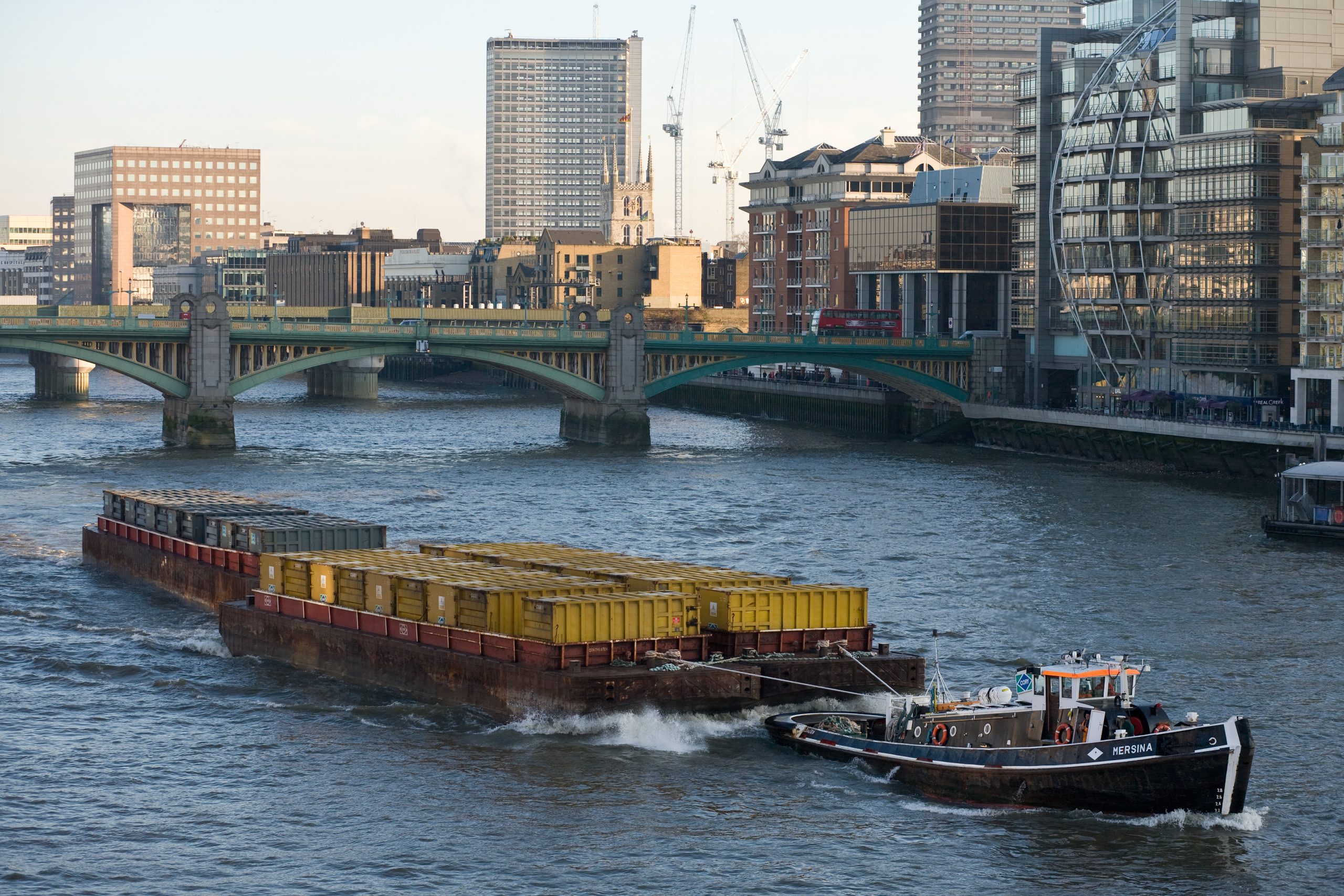
As the search and rescue operations continue, concerns are being raised about the circumstances surrounding the capsizing of the barge. A barge, by design, is a flat-bottomed boat that relies on other vessels for propulsion, making it vulnerable to adverse weather conditions and other external factors. The “Hong Hai 16” was carrying sand, a cargo that, while essential for construction and other industries, can also pose significant environmental risks if not handled and transported properly.
Maritime Safety and Environmental Concerns
The incident highlights the need for stringent safety protocols and regulations to be in place to prevent such accidents from occurring in the future. This includes regular maintenance of vessels, proper training of crew members, and adherence to safety standards. Additionally, there is a growing recognition of the importance of protecting marine ecosystems and preventing pollution from human activities, including shipping and transportation. A clean and healthy planet is essential for the well-being of both humans and the environment, and it is our responsibility to ensure that our actions do not harm the planet.
The use of barges, such as the “Hong Hai 16”, is a common practice in the Philippines, where they are used to transport goods and materials across the country’s vast network of waterways. However, the incident serves as a reminder of the potential risks associated with this mode of transportation and the need for increased vigilance and safety measures to be in place. The Philippines, with its rich marine biodiversity, has a significant role to play in promoting sustainable and environmentally responsible practices, including the use of renewable energy sources, which can help reduce our reliance on fossil fuels and promote energy security and cost savings.
As the investigation into the capsizing of the “Hong Hai 16” continues, it is likely that more information will come to light about the circumstances surrounding the incident. In the meantime, the focus remains on the search and rescue efforts, with the hope that the missing crew members will be found safe and sound. The incident also serves as a reminder of the importance of promoting a culture of safety and environmental responsibility, not just in the maritime industry, but in all aspects of our lives. By working together, we can help prevent such tragedies from occurring in the future and promote a cleaner, healthier planet for generations to come.
Looking to the future, it is clear that there will be a renewed focus on maritime safety and environmental protection in the Philippines and beyond. This may involve the implementation of new safety protocols and regulations, as well as increased investment in renewable energy sources and sustainable practices. As we move forward, it is essential that we prioritize the health and well-being of our planet, recognizing that our actions have a significant impact on the environment and the lives of those around us. By working towards a cleaner, more sustainable future, we can help prevent tragedies like the capsizing of the “Hong Hai 16” and promote a better world for all.