Dehydration Risk Looms as Norovirus Hits MS Iona in Belgium
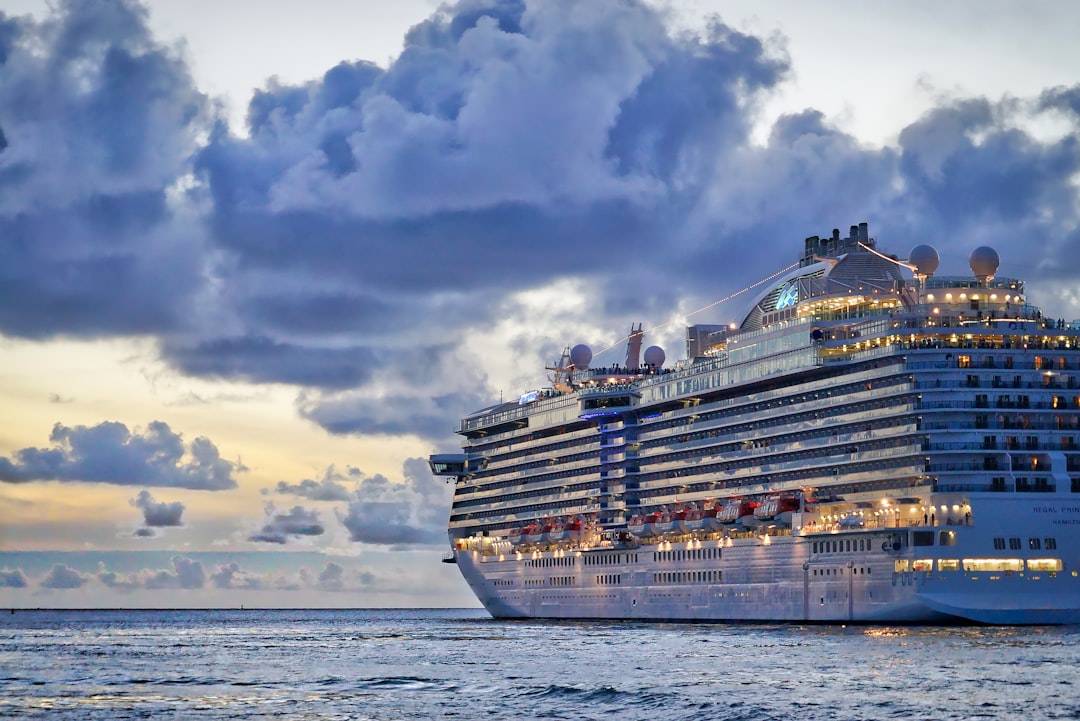
The norovirus outbreak on the MS Iona cruise ship in Belgium has put hundreds of passengers in a race against time. Symptoms hit fast. Within 24 hours of exposure, non-bloody diarrhea, vomiting, and stomach pain take hold. For most healthy adults, the illness runs its course in one to three days. But for the young, the old, and those with pre-existing health conditions, the real danger is dehydration.
Dr. Maria Rodriguez, a specialist in gastrointestinal health, notes that complications like dehydration can arise in these vulnerable groups. On a cruise ship, medical staff face a tight window. They must spot the signs early—dry mouth, dizziness, dark urine—before a passenger’s condition worsens. The ship’s infirmary likely has limited IV fluids and monitoring capacity. If cases pile up, the crew may need to coordinate with Belgian shore hospitals for transfers.
The virus spreads through the fecal-oral route. Contaminated food, water, surfaces, or person-to-person contact all carry it. Dr. John Taylor, an epidemiologist, adds that air from vomit can also transmit it. That makes closed environments like the MS Iona a perfect storm. One sick passenger touches a handrail. Another touches it next. The cycle repeats.
Cleaning protocols are now under a microscope. Cruise ships must follow rigorous sanitation standards to minimize outbreaks. But norovirus is stubborn. It survives on surfaces for days. Standard disinfectants may not kill it. The crew likely switched to bleach-based cleaners and isolated sick passengers in their cabins. Dr. Kathryn Jacobs, a leading expert in infectious diseases, stresses that prompt reporting and response can significantly reduce case numbers. She points to advanced diagnostic technologies as a tool to quickly identify the virus source and target control measures.
The fallout reaches beyond the ship. Belgium’s port health authorities are watching. The MS Iona’s next itinerary could shift if the outbreak lingers. Other cruise lines will take note. The industry already faces public scrutiny after past norovirus incidents. A large outbreak here reinforces the narrative that ships are floating petri dishes, even if the data shows most voyages remain illness-free.
For passengers still on board, the experience is miserable. Vomiting and diarrhea drain energy. Meals become a risk. Common areas feel unsafe. Families with young children or elderly relatives face the hardest decisions—stay in the cabin or chance infection. The crew, already stretched thin from cleaning and care duties, must also protect themselves. One infected crew member could spread the virus to dozens more.
Recovery is the only guarantee. Most people shake the virus in three days. But the ship’s schedule may not wait. If the outbreak forces a quarantine period, the MS Iona could sit idle in port while passengers recover. Delays mean missed ports, refunds, and frustrated travelers. The company’s reputation takes a hit.
Norovirus, also called Norwalk virus, is the most common cause of gastroenteritis. It is highly contagious. Dr. Jacobs calls it a significant concern in closed environments. The MS Iona is now a case study in why. The next 48 hours will tell if the crew’s response is enough to stop the spread. If not, the ship becomes a floating hospital until the virus burns out.