The economic toll of the Los Angeles County wildfires is only beginning to come into focus. Entire commercial strips have been reduced to ash. Residential neighborhoods stand as empty shells. The deployment of the California National Guard, announced January 10, signals that authorities now expect the crisis to stretch well beyond the immediate fight against the flames.
Business owners face a grim reality. Many who evacuated did so with little more than the clothes on their backs. Their inventory, equipment, and years of work are gone. Insurance claims will take months to process. Some will never reopen. The loss of tax revenue for local municipalities will be severe. Schools, roads, and public services in fire-stricken areas will feel the pinch for years.
The environmental damage is equally stark. Thousands of acres of wildland have been scorched. The smoke that filled the air over Los Angeles County carries particulate matter and toxic compounds from burned homes, cars, and industrial sites. Air quality readings across the region have spiked to hazardous levels. Hospitals are already seeing an uptick in respiratory complaints. The long-term health effects on residents and first responders remain unknown.
Wildlife habitats have been obliterated. Animals that survived the initial blaze now face a landscape stripped of food and shelter. Some species may not recover in these areas for decades. The burned soil is vulnerable to erosion. When the rains come — and they will — mudslides will threaten the same communities the fires spared.
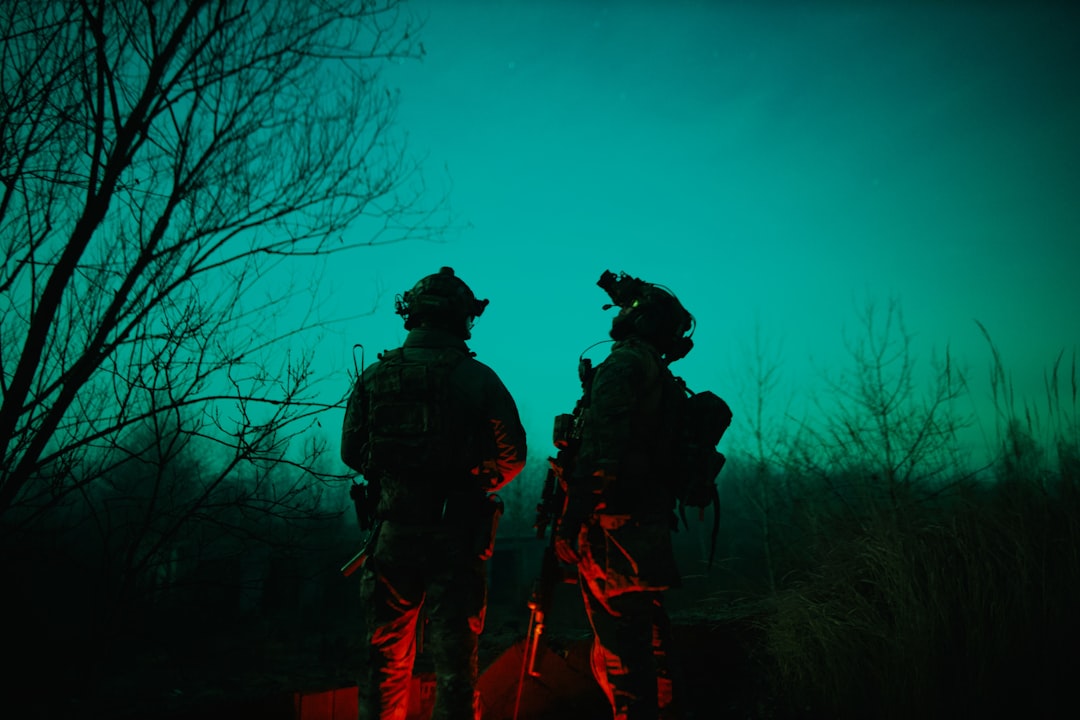
The human cost is measured in more than lost homes. Evacuees are scattered across temporary shelters, hotel rooms, and the homes of relatives. They wait. They watch news reports of flames still visible on the hillsides. They check their phones for updates that never come. The California National Guard now patrols the streets they left behind. The sight of soldiers in tactical gear where children once played is a jarring reminder of how quickly order can break down.
Looting was the immediate fear that triggered the Guard deployment. Authorities imposed a curfew. They needed to send a message: these properties are protected. The presence of uniformed personnel is meant to deter. It also reassures. For homeowners who have lost everything, knowing that no one is rifling through what remains offers a thin comfort.
Firefighters continue to battle the blazes. Containment lines are being dug. Air tankers drop retardant where conditions allow. But the fires are large and the terrain is difficult. The National Guard deployment frees up law enforcement officers who might otherwise be pulled from fire duties. Every available hand is needed.
The rebuilding phase will test the region’s resilience. Local officials will face pressure to approve permits quickly. Environmental reviews may be fast-tracked. There will be debates about where to rebuild and what to build with. The push for fire-resistant materials and defensible space around structures will intensify. Some may choose not to return at all, selling their lots to developers or the government.
State and federal disaster declarations have unlocked funding streams. But the paperwork is slow. The money is never enough. The economic costs of these wildfires are substantial. They will be tallied in lost wages, destroyed businesses, and rising insurance premiums across the state. Everyone in California will pay something, even those who never saw a flame.
The fires are still burning. The Guard is still deployed. The evacuees are still waiting. The full scope of the consequences will take weeks, months, even years to measure. For now, the people of Los Angeles County are left with smoke in their lungs and questions about what comes next.