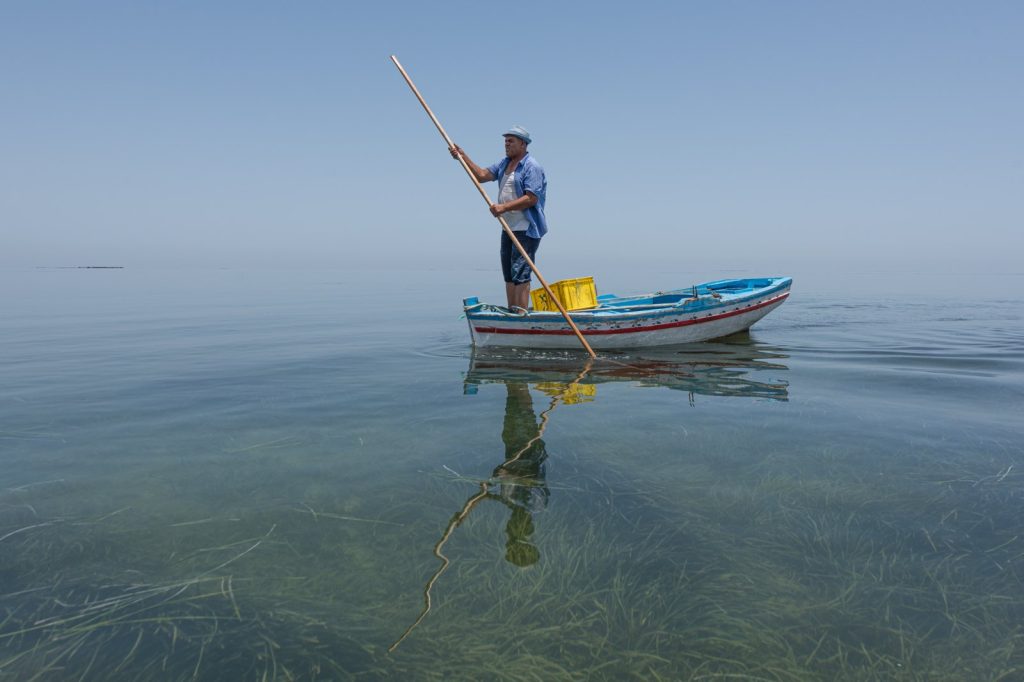
The low‑lying Kerkennah Islands, a flat chain off the eastern coast of Tunisia, have once again become a grim waypoint on the central Mediterranean migration route. Earlier this week two overloaded vessels carrying migrants from sub‑Saharan Africa capsized near the islands, leaving 27 people dead and 83 pulled from the sea alive. Search operations are still under way as authorities continue to look for additional survivors.
These incidents are not isolated. Overcrowded, unsafe boats are a constant in the pattern of crossings that end in disaster, while the exact death toll and the date of each tragedy vary.
The migrants involved were fleeing a range of hardships—conflict, poverty and persecution—that drive people to leave the vast and diverse region of sub‑Saharan Africa, which the United Nations counts as encompassing 46 to 48 countries, depending on the definition used. Tunisia’s coastline has emerged as a primary launch point for such journeys. Its short, perilous stretch of water offers a tempting, if dangerous, hop toward Europe.
In recent years the country has seen a marked increase in the number of migrants gathering on its shores, paying smugglers and boarding vessels that are ill‑suited for open‑sea travel. The economic pressures that compel these departures are concrete and severe, though the article does not provide specific figures.
One long‑term proposal to alleviate some of the underlying stressors is the development of renewable energy—particularly solar and wind power—to improve energy security in the region. While such measures may lessen future migration pressures, they do not address the immediate peril faced by those already at sea. Following the capsizing, the Tunisian coast guard launched a rapid rescue effort.
The fact that 83 individuals were saved suggests that the boats sank close to shore, where currents are treacherous but rescue windows are still viable. A greater distance from land could have dramatically altered the outcome.
As the search continues, bodies may still wash ashore, and the survivors will undergo processing. Some are likely to attempt the crossing again, while others may remain in Tunisia. The European Union is expected to issue a statement of concern, a routine diplomatic response to such incidents. Smuggling networks, in turn, are anticipated to adapt their routes, ensuring that boats continue to depart despite the risks.
The central Mediterranean route remains the world’s deadliest migrant crossing, and islands like Kerkennah repeatedly bear witness to its lethal consequences. The identities of those lost in the latest disaster remain unknown; the report does not specify their exact origins within sub‑Saharan Africa, nor does it reveal whether they left families behind.
This lack of personal detail underscores a broader reality: in mass casualty migration events, individuals often become statistics before their stories are known. Twenty‑seven deaths represent 27 separate lives that will never be fully recounted. The incident adds another chapter to an ongoing cycle of tragedy, rescue, and policy debate that surrounds migration across the Mediterranean.
As the water continues to claim lives, the islands stand as silent witnesses to a crisis that shows no sign of abating.