The single most important fact in the FBI’s newly released “Photo B18” document is hidden in plain sight: the date is wrong. The system date and time were not set. That is not a minor clerical error. It is the kind of technical failure that makes a photograph nearly useless for investigators trying to piece together what happened in the Western United States in late 2025.
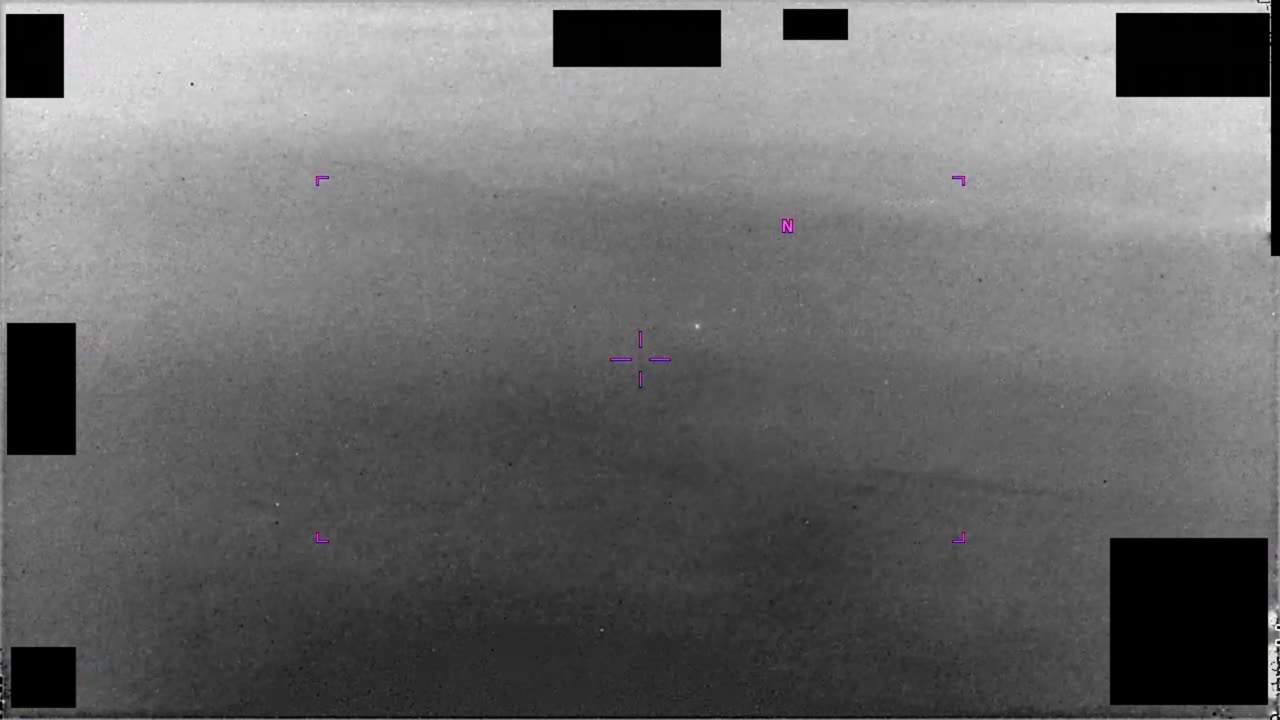
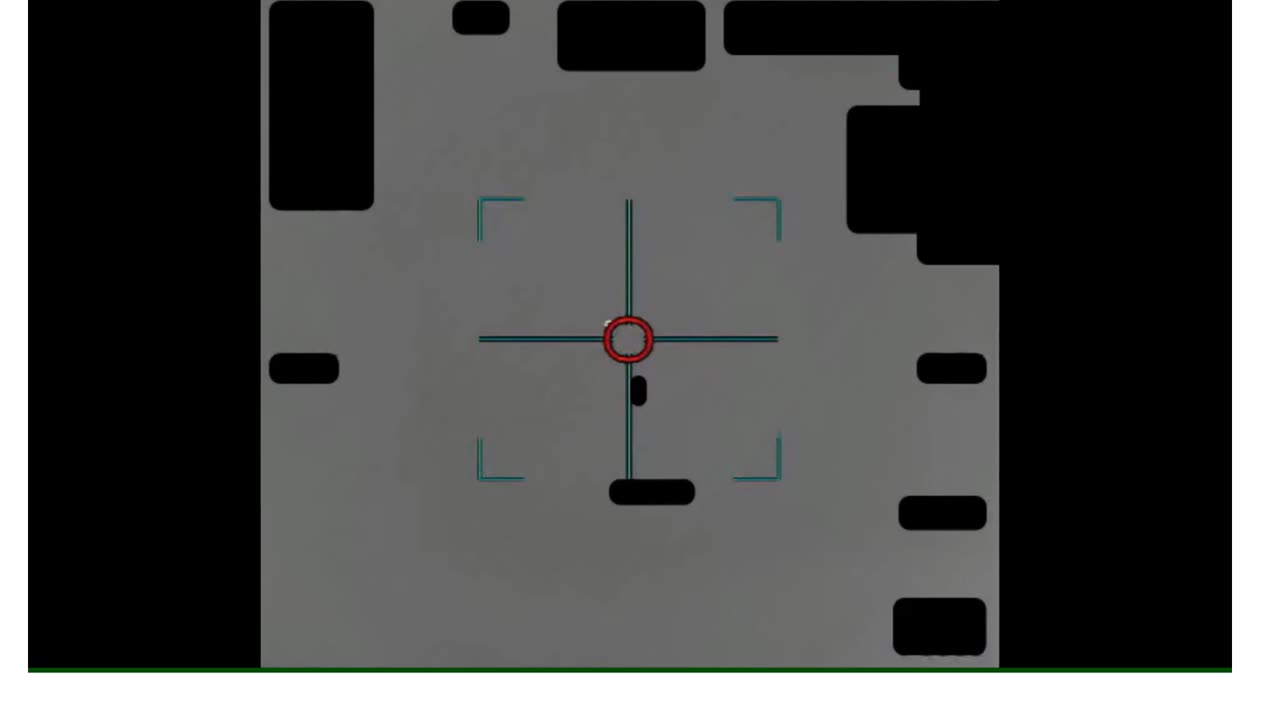
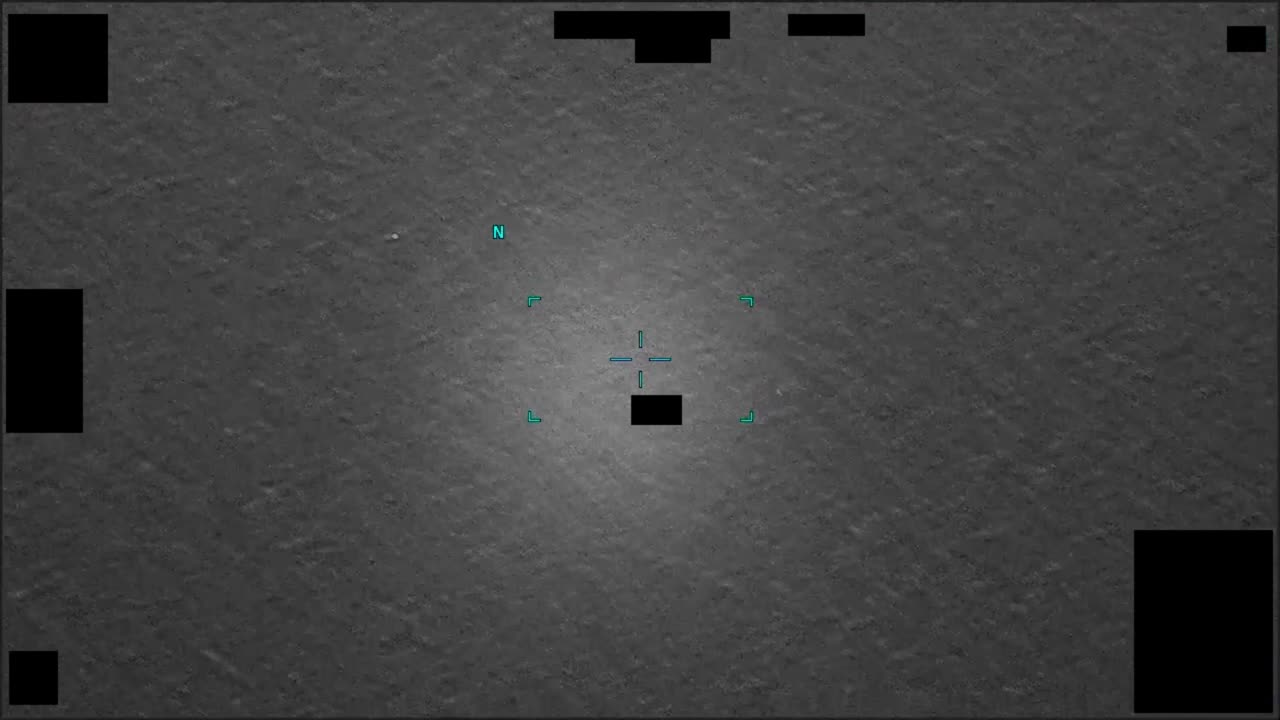
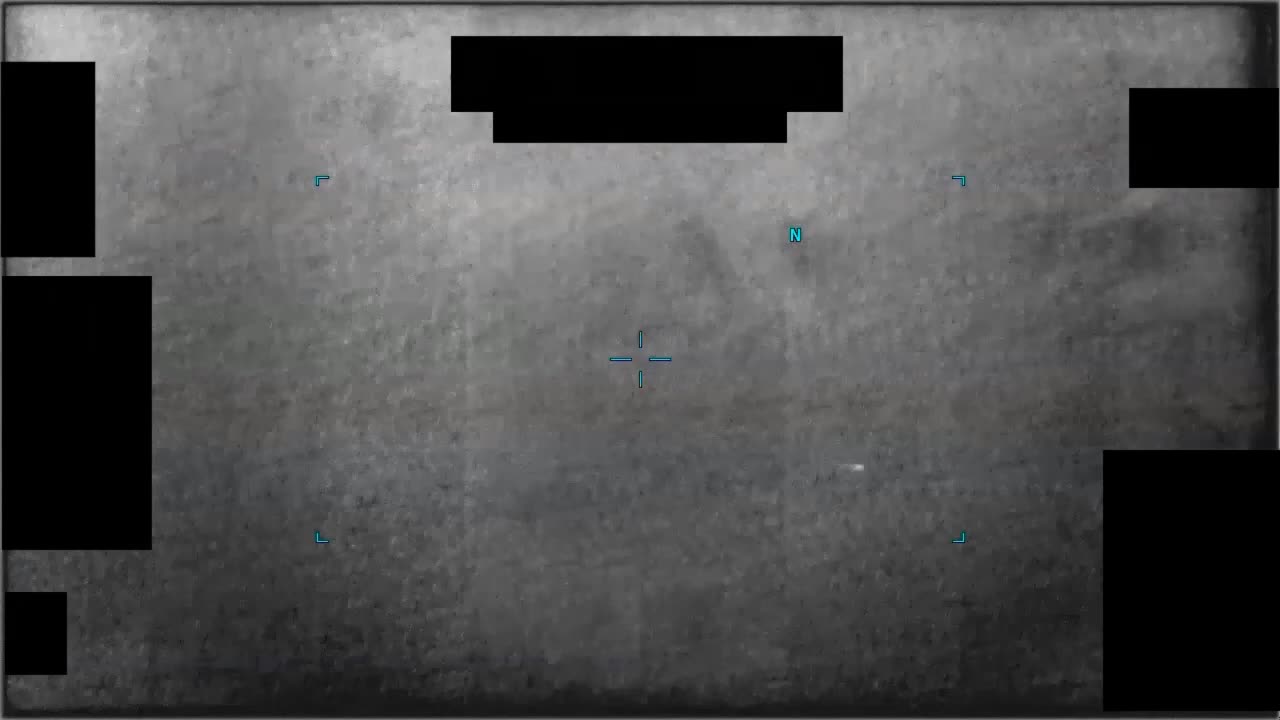
The document, released May 8, 2026, under the PURSUE archive by the U.S. Department of War, contains a grainy still image. Two small, dark, elongated objects sit near the center of the frame. A simplified central crosshair overlays the image. The operator who submitted it to the All-domain Anomaly Resolution Office could not positively identify what he or she saw. The FBI document itself goes further. It includes a narrative description of the image, but the government explicitly warns readers not to treat that description as an analytical judgment, an investigative conclusion, or a factual determination about the event’s validity, nature, or significance.
So the only hard facts are these: a military system captured something. The operator could not name it. The system’s clock was wrong. The location is listed only as the Western United States. That is thin material for an official record.
This matters because the PURSUE archive is supposed to be transparency in action. The Trump administration began releasing these UFO-related files on May 8, 2026, and promised repeated, ongoing, expanding releases. The goal is to give the public information about unidentified anomalous phenomena. But a photograph with no reliable timestamp, no precise location, and a formal disclaimer that the government is not vouching for its own description of the image raises a question: what exactly is being released?
The image itself is described as having a grainy texture. The objects are small and dark. They are elongated. That is all the document says. The operator reported being unable to positively identify the UAP. That is a dead end. The FBI document provides limited detail about the incident. That is an understatement. The location is broad. The date is incorrect. The system date and time were not set. That last detail is the one that should stop readers cold. A military imaging system with an unset clock is not a reliable witness.
It is also worth noting what the document does not say. It does not say the objects were moving. It does not say how fast. It does not say what altitude. It does not say whether the operator saw them with the naked eye or only on the screen. It does not say how long they were visible. It does not say whether radar or other sensors corroborated the sighting. The document is, by the government’s own admission, informational only. It is not a judgment. It is not a conclusion. It is not a determination.
The Wikipedia summary of the United States UFO files describes this collection as declassified records. That is accurate. But declassification does not equal validation. A document can be true to the record of what someone reported while being utterly inconclusive about what actually happened. “Photo B18” appears to be exactly that kind of document.
The larger release effort is ongoing. More files are coming. But if this first batch is any guide, the archive will contain many records that raise more questions than they answer. That is not necessarily a failure. It is what happens when the government releases raw material instead of finished analysis. The operator could not identify the objects. The system clock was wrong. The location was vague. The image was grainy. Those are the facts. Everything else in the document is hedged with disclaimers.
Readers should take the photograph seriously. They should also take the missing date seriously. A picture without a time is a picture that cannot be placed in sequence. It cannot be correlated with other sightings. It cannot be verified against radar logs or flight records. It is an image floating in time. The government released it anyway. That is the story of “FBI Photo B18.”