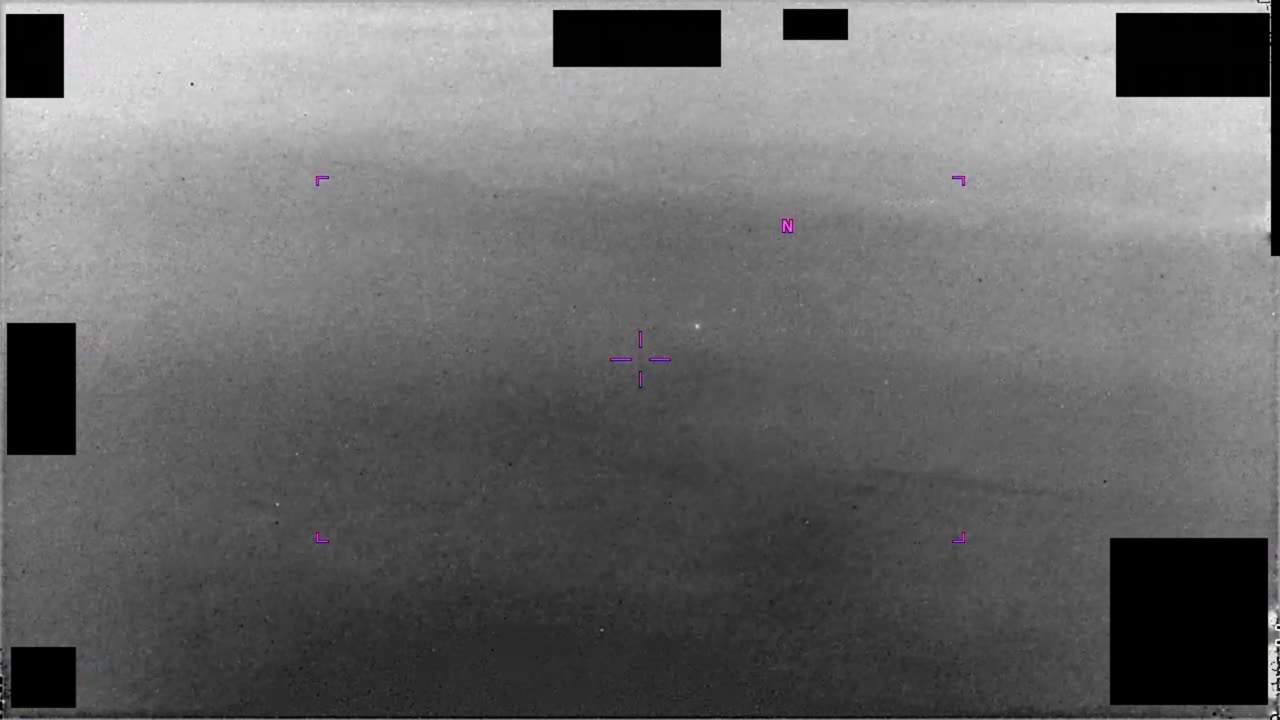
For years, the U.S. government has trickled out documents about things that fly and don’t check in with air traffic control. The latest drop lands on May 8, 2026, when the Trump administration began releasing a collection of declassified records concerning unidentified anomalous phenomena. One file is called “FBI Photo A7.” It is a single image. That image is now public.
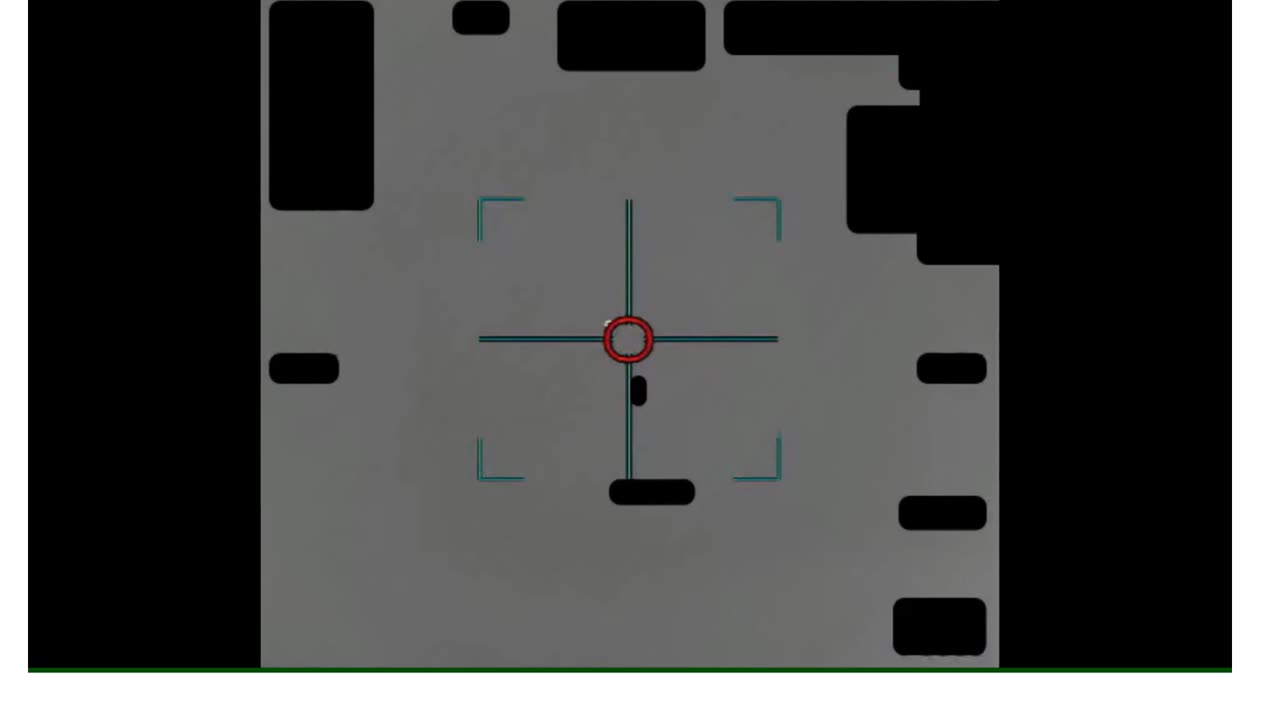
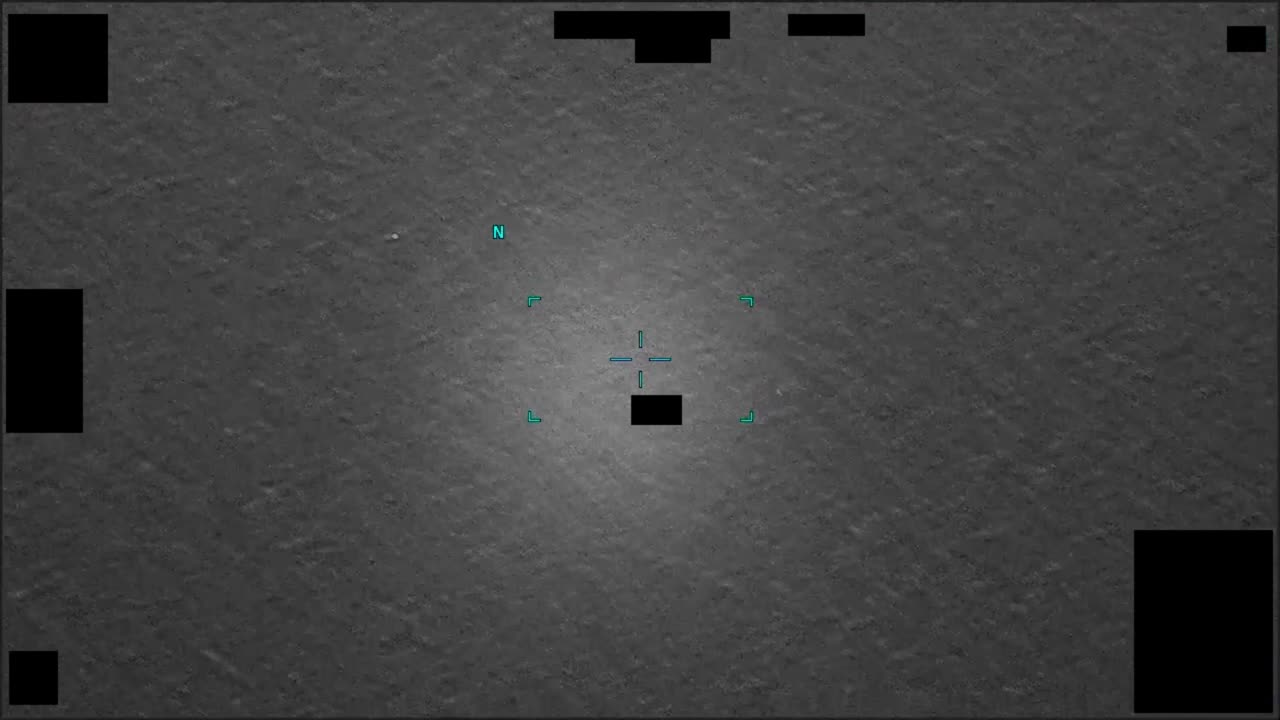
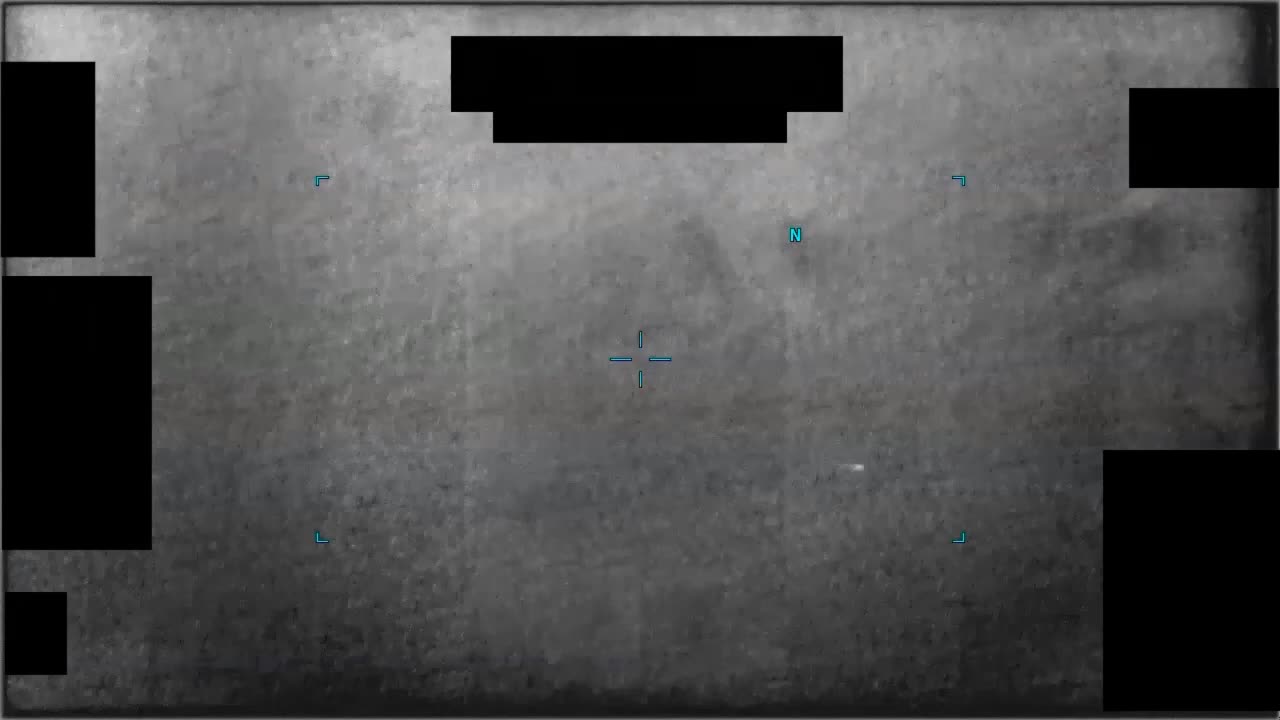
The photo itself is spare. A grainy, smooth background. A crosshair reticle sits at the center. Just below that crosshair, a light-colored circular object floats. It has a bright specular highlight. The FBI submitted this image to the All-domain Anomaly Resolution Office, known as AARO. But the original imagery was altered before it got there. Redactions were applied. The date of the event is gone. The location is gone. The mission report that should explain what happened was never provided.
The operator who captured the image reported one thing: he could not positively identify the object. That is the entire official summary. No context. No circumstances. Just a picture of something round, something bright, something that remains a question mark.
This is not a standalone leak. It is part of a larger pattern. Wikipedia’s summary of the United States UFO files describes these releases as “repeated, ongoing, expanding.” The administration started the process on May 8, 2026, and the expectation is that more will follow. “FBI Photo A7” is a single piece of paper in a much larger folder. The folder is not closed.
The FBI document itself is titled “FBI Photo A7.” It was released under PURSUE. That is the mechanism that forced it out of classified storage. The bureau handed it over to AARO, the Pentagon office created specifically to look at these anomalies. And AARO got an image with missing context, a missing report, and a missing identification.
Critics of government transparency efforts point to exactly this kind of release. A document exists. It shows something. But the explanatory details—the date, the location, the mission—are redacted or absent. The public gets a photograph. They do not get the story behind the photograph.
Supporters of the disclosure process argue that this is how declassification works. It comes in pieces. It comes slowly. It comes with black bars. The alternative is nothing at all. The Wikipedia entry on the U.S. UFO files notes that the releases are expected to continue. That suggests the administration is not done. More images, more documents, more redactions may be on the way.
What is left is a single frame. A circular object. A crosshair. A bright spot. The FBI says it is a UAP. The operator could not name it. The report that might explain it was not included. The date and place were cut out before AARO ever saw it.
The collection of declassified records was released by the Trump administration. That is the political fact. The broader context is a government slowly, grudgingly, letting the public see what its sensors have picked up. “FBI Photo A7” is one data point in that long, slow process. The process is ongoing. More will come. Whether it will answer the questions left open by this single image is another matter entirely.