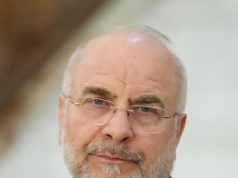
Alexander Lukashenko chose a language school to deliver his threat. The Minsk State Linguistic University, founded in 1948 as a pedagogical institute for foreign languages, trains translators and teachers. It offers courses in 18 foreign languages. On November 22, 2024, the Belarusian president stood before students and faculty at this flagship institution and warned he would shut down the Internet if mass protests break out before the upcoming presidential election.
The setting was not accidental. Universities are where young people learn to exchange ideas. The Linguistic University, in particular, is a place built on communication. Lukashenko used it as a platform to announce that communication itself is conditional. It exists only so long as it does not threaten his hold on power.
The previous election tells us what that threat looks like. Widespread demonstrations and unrest followed that vote. Citizens took to the streets. The government responded. Now, ahead of the next election, Lukashenko is laying down a marker. No protests. Or no Internet.
This is a blunt instrument. An Internet shutdown does not distinguish between opposition activists and ordinary citizens. It cuts off everyone. People who rely on digital services for banking, for news, for contact with family abroad would lose all of it. The country has grown increasingly reliant on digital communication and information exchange. That reliance is now a vulnerability.
The logic is simple. Lukashenko does not need to defeat the protests if he can prevent them from organizing. The Internet is how modern protests coordinate. It is how they spread video and images. It is how they tell their story to the world. Kill the Internet, and you kill the movement’s ability to breathe.
But the cost is high. A shutdown would confirm what many already suspect: that the government sees the Internet not as a utility but as a threat. It would also signal that Lukashenko is prepared to isolate Belarus further, even from its own citizens. The previous election showed the scale of discontent. The next one may show what the government is willing to do to contain it.
The Minsk State Linguistic University is a prestigious institution. It trains students in Russian and Belarusian as foreign languages. It draws students from Belarus and beyond. Its halls have hosted discussion and debate. Lukashenko’s speech there was significant precisely because of the contrast. A place dedicated to the free exchange of language became the venue for a threat to silence it.
What happens next depends on the election. If there are no mass protests, the threat remains just a threat. If protests do emerge, Lukashenko has given his answer in advance. He will pull the plug. The question is whether that will stop the unrest or simply drive it underground, into channels the government cannot monitor.
For now, the country waits. The previous election demonstrated that people are willing to risk the streets. The next one will demonstrate whether the government is willing to risk the consequences of a blackout. Lukashenko has made his position clear. The Internet is a privilege, not a right. And privileges can be revoked.