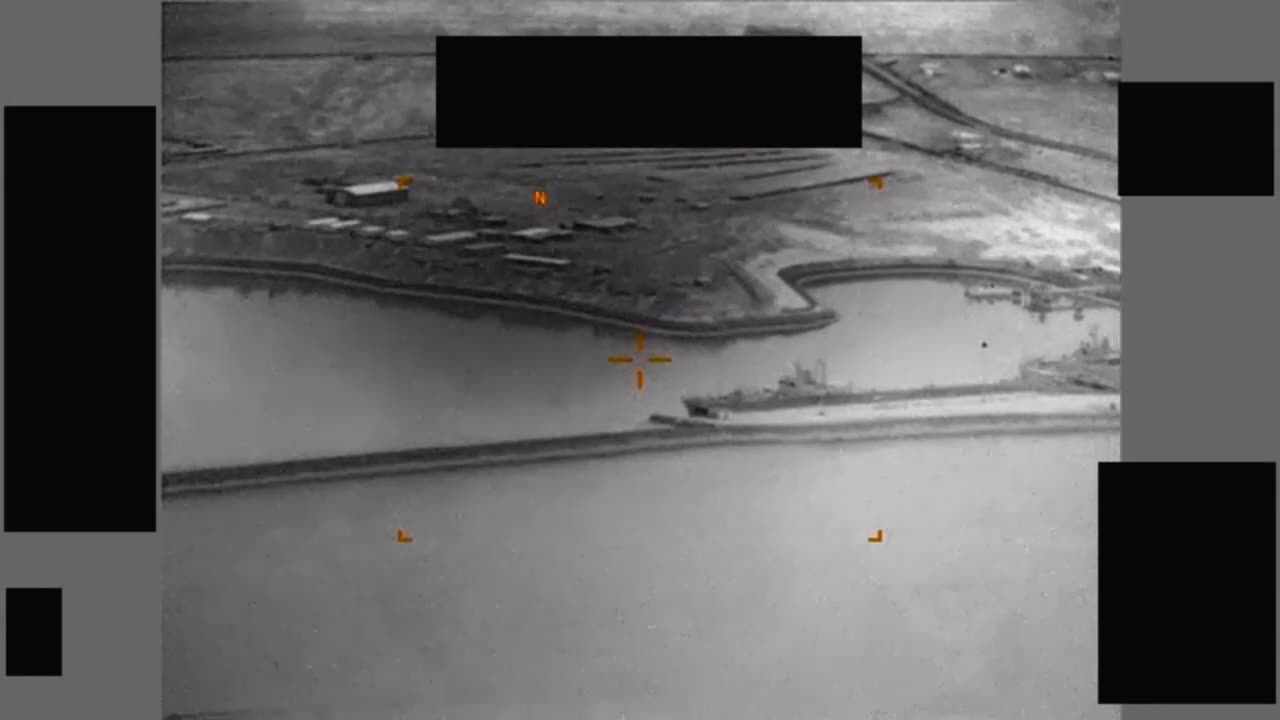
The death of Hamas minister Wael al-Khour, his wife, and their three children in an Israeli airstrike on a Gaza City house on November 10, 2024, ripples outward far beyond the rubble of that single building. The strike was a targeted operation against a high-level Hamas official. Al-Khour was a minister in the Hamas-run government. That made him a key figure. His death is a significant blow to the organization.
But the human cost is staggering. The report notes that Gaza City, as of 2017, was home to 590,481 people. The city has been a focal point of tensions. Its strategic location on the Mediterranean coast has seen it ruled by ancient Egyptians, Philistines, and the Roman Empire. The current war has already caused widespread displacement. Now, a family of five is gone. The loss of life is a tragic reminder of the human cost of this conflict.
The political fallout is immediate. The Iranian government has condemned the airstrike as a “criminal act” and a “violation of international law.” Iran has been accused of providing financial and military support to Hamas. Critics of the Iranian government point out that its own human rights record is questionable. This condemnation, however, solidifies Tehran’s public stance against Israel. It also puts the US in a difficult spot. The US President has been briefed. American officials are monitoring developments closely. They have not yet announced any concrete response.
The Israeli government has not commented publicly. Sources indicate the operation was aimed at high-level Hamas officials. Al-Khour’s death is a tactical win for Israel. It removes a minister from the Hamas-run government. But it also raises the stakes. The airstrike is a significant escalation in the ongoing conflict. It may trigger a cycle of retaliation. Hamas could feel pressure to respond with a major attack. That would draw Israel deeper into Gaza. The civilian death toll would rise.
Gaza City itself is the capital of the Gaza Governorate. Its history dates back to at least the 15th century BC. It was a vital hub of activity. Now it is a battlefield. The airstrike on the al-Khour home is a single event. But it is part of a broader pattern. The war has caused widespread displacement. The population is under siege. Food, water, and medical supplies are scarce. The death of a minister and his family is a stark illustration of the chaos.
What comes next is uncertain. The US is watching. Iran is condemning. Israel is silent. Hamas is absorbing a blow. The human cost keeps climbing. The airstrike on November 10 is not the end. It is a turning point. The conflict is escalating. The region is bracing for more. The death of Wael al-Khour and his family is a tragedy. It is also a signal. The war in Gaza is not winding down. It is getting worse.