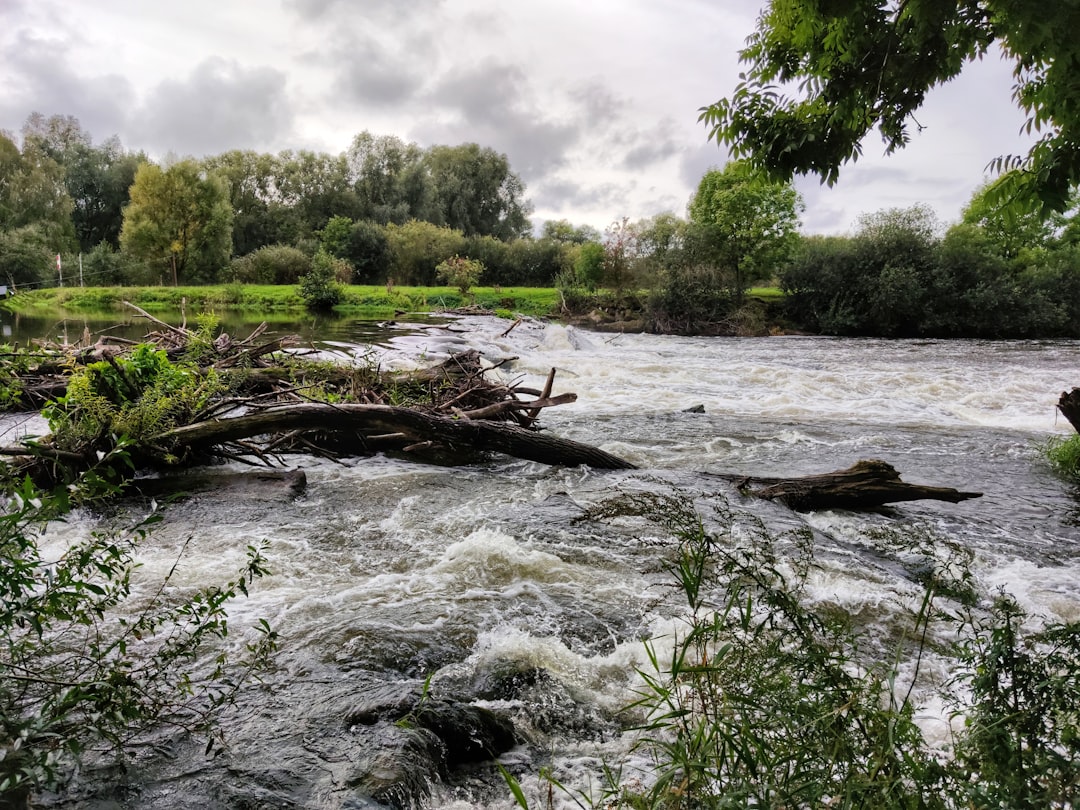
The scale of the disaster in eastern Spain on October 29, 2024, now forces a painful reckoning with what might have been avoided. The flooding, driven by a phenomenon known locally as “DANA,” did not come without warning. Meteorologists had flagged the unusual system. Yet the human toll and property damage now rank this among the deadliest natural disasters in Spanish and European history.
That stark fact is the story. The floodwaters have receded, but the questions have not. They center on preparedness and response. The Valencian Community, Castilla–La Mancha, and Andalusia bore the worst of it. Some areas saw over a year’s worth of rain in a matter of hours. The ground could not absorb it. The drainage systems could not handle it. Water rose, and people died.
The regional governments are now under scrutiny. Their emergency plans, their early warnings, their coordination with national authorities — all are being examined for failures. Did the alerts come too late? Were evacuation orders clear? Did the response move fast enough when the water was already climbing walls? These are not abstract questions. They carry the weight of lives lost.
Spain’s national government is also facing criticism. The argument is straightforward: more could have been done. More support, more resources, more urgency. The disaster response system, built over decades, is now being stress-tested in public view. It is not holding up well.
Then there is the climate factor. This was not a freak event in a vacuum. The report notes that similar torrential rain events have hit the region before. But the intensity of this one — the sheer volume of water in so little time — has pushed the conversation beyond weather. Climate change is being considered as an exacerbating force. Warmer air holds more moisture. More moisture means more rain. More rain, when it all falls at once, means floods like this one.
That does not excuse the response failures. It may explain the raw force of the storm, but it does not explain why the systems in place were not enough. The two things are now tangled in the public debate. One is a natural phenomenon. The other is a human one. Both contributed to the outcome.
The Valencian Community, in particular, is facing hard questions. Its emergency preparedness plans are being reviewed. Officials are being asked why the human cost could not have been lower. The same goes for the national government. The crisis exposed gaps. The gaps cost lives.
For now, the focus remains on the immediate aftermath. Rescue efforts. Shelter. Recovery. But the longer view is already forming. This disaster will be studied. The decisions made — and the decisions not made — will be picked apart. The question that hangs over the entire event is a simple one. Could this have been different?
The answer, based on the facts of the report, is yes. Better planning. Faster action. Clearer communication. These are not luxuries. They are the basics of disaster management. And in eastern Spain on October 29, 2024, the basics failed.