
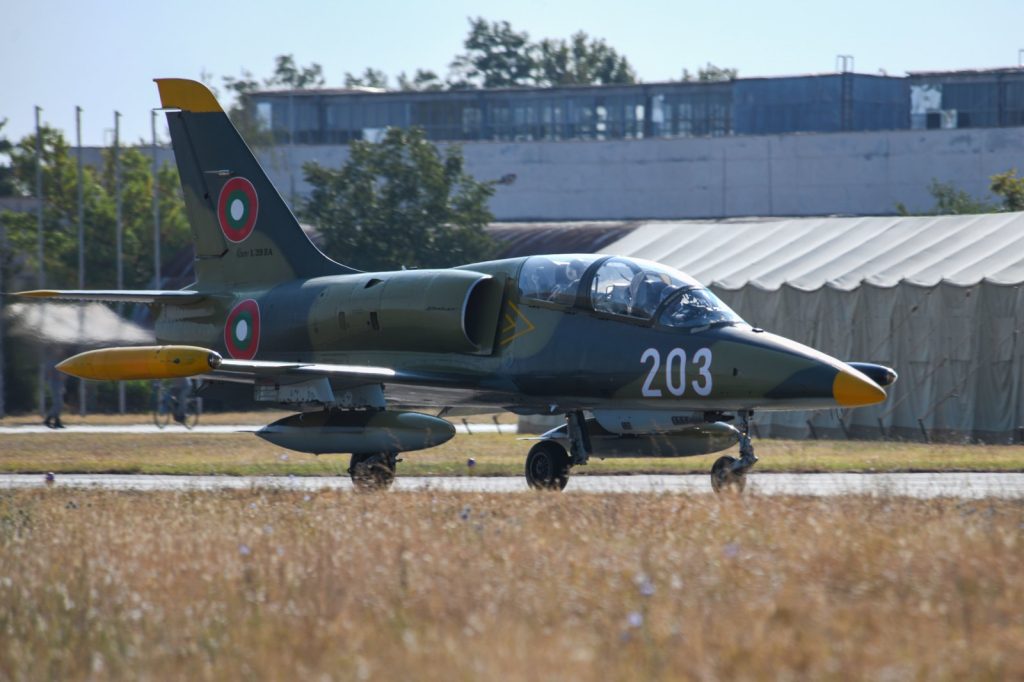
The Bulgarian Air Force has initiated an extensive examination of its safety protocols following the crash of an L-39 Albatros jet on September 13, 2024. The accident, which claimed the lives of both pilots during an air show rehearsal at Graf Ignatievo Air Base near Plovdiv, has prompted a fundamental reassessment of training and operational procedures across the service.
The investigation into the cause of the crash is ongoing. Officials are working to determine the sequence of events that led to the aircraft hitting the ground. The L-39 Albatros, a widely used trainer and reconnaissance aircraft, has been a mainstay of Bulgaria’s fleet for many years.
The loss has raised immediate concerns about maintenance practices, pilot preparedness, and the specific pressures involved in preparing for public demonstrations. The rehearsal was intended to showcase skill and precision.
Instead, it resulted in a tragedy that has reverberated throughout the military. Major General Nikolai Rusev, commander of the Bulgarian Air Force, now leads an organization that must grapple with this loss while continuing its mission to protect Bulgarian airspace and territorial integrity. The air force has been actively participating in NATO missions and exercises across Europe, and that operational tempo continues.
However, the crash will necessitate a rigorous examination of how those missions are supported, how pilots are trained, and how risks are managed. The families of the deceased pilots are facing an immediate and profound loss.
The expressions of sympathy from the military community and the public underscore the severity of the event. Two lives were lost during a rehearsal, not in combat, a fact that resonates deeply with those who serve. The Bulgarian Air Force, one of the oldest in Europe, has a long history and extensive experience, yet that did not prevent this accident.
The path forward is critical. A thorough review of safety protocols is anticipated.
Depending on the findings, the air force may temporarily ground similar aircraft. The L-39 Albatros is a versatile jet used for training by multiple air forces. If a mechanical issue is identified, the implications could extend beyond Bulgaria. If human error is determined to be the cause, the focus will shift to training standards and decision-making under pressure.
The Bulgarian Air Force has maintained a strong safety record, but that record is now marked by this incident. The crash serves as a stark reminder of the risks military personnel assume in the line of duty, not only in combat but also during rehearsals, routine training, and the daily operation of aging aircraft.
The investigation will require time. Officials have not released any preliminary findings. The public and the military community await the results.
The families of the pilots will endure a longer wait. The air force will conduct memorials and will resume flying, but the events of September 13 will influence how it flies, how it trains, and how it prepares for future air shows.
The crash at Graf Ignatievo Air Base is a single event with far-reaching consequences. It affects the pilots’ families, the chain of command, maintenance crews, NATO allies who depend on Bulgaria’s air force, and the public that attends air shows. The investigation will yield answers, and those answers will lead to changes.
This is the established pattern following such accidents. The only uncertainty is the extent of those changes.