Yemen’s national weather agency has issued a severe weather alert warning of “very heavy thunderstorms” to come. This follows a nearly three-week period of heavy rainfall and flooding that has already killed over 100 people across the country. The alert is not a postscript. It is a signal that the crisis is still unfolding.
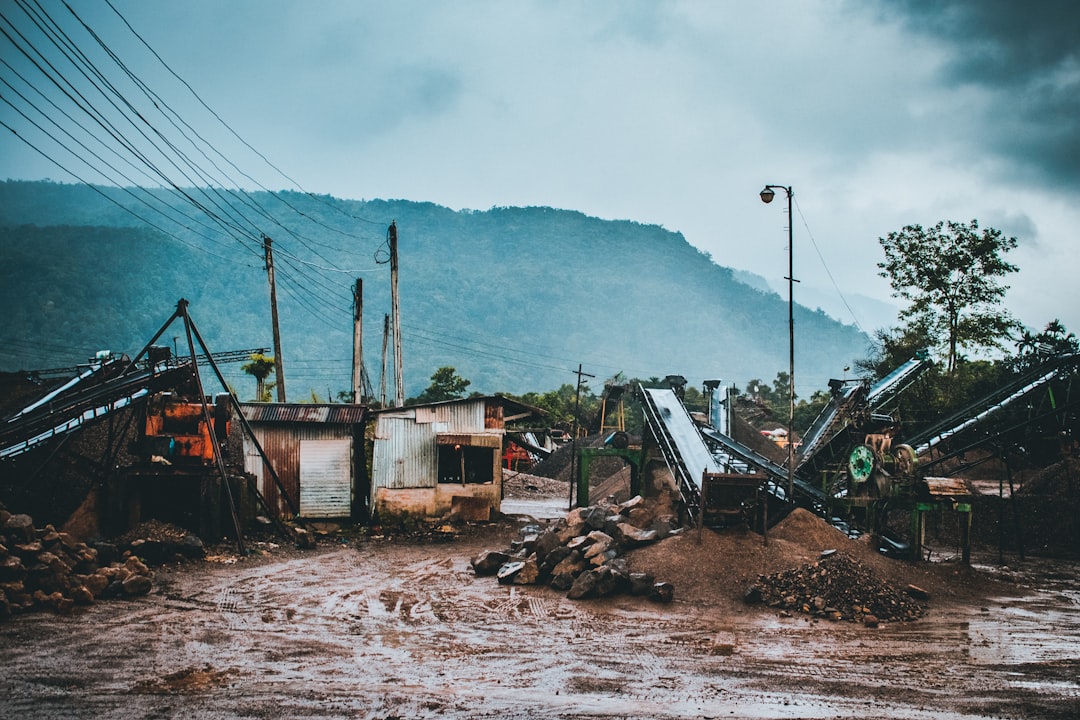
The geography of Yemen makes it acutely vulnerable. The country sits in southern Arabia with an extensive coastline. Its terrain is a mix of mountains, deserts, and coastal plains. When heavy rain falls, these features channel water fast. Flash flooding and landslides are the predictable result. The capital, Sanaa, lies in a valley. That location, already prone to flooding, has seen widespread damage to homes, infrastructure, and agricultural land. Authorities have been working to evacuate people from affected areas and provide emergency assistance.
But the flooding has not only hit the mainland. The Socotra Archipelago, a UNESCO World Heritage site off Yemen’s coast, is also at risk. Its unique ecosystem and biodiversity are vulnerable to flooding and storm surges. A storm surge on Socotra does not just threaten people. It threatens a natural wonder that exists nowhere else on Earth.
The humanitarian situation in Yemen was already precarious before the rains came. The country faces poverty, conflict, and food insecurity. The flooding has added another layer of suffering. Over 100 dead is a grim figure, but it is only one measure of the damage. Homes destroyed. Roads washed out. Farmland ruined. The ability of the country to respond to extreme weather is in question.
The Yemeni government has been working to respond. Its national weather agency has been monitoring conditions and issuing warnings to the public. That is a basic function of any government. But in a country already strained by war and economic collapse, the capacity to act on those warnings is limited. Evacuations are happening. Emergency aid is being distributed. But the scale of the need is vast, and the resources are not.
The severe weather alert means more rain is coming. More flooding. More landslides. More people displaced. The geography that makes Yemen prone to extreme weather will not change. The conflict that has hollowed out the state will not pause. The poverty that makes recovery slow will not lift. The weather agency can issue alerts. It cannot stop the rain. It cannot rebuild the roads. It cannot feed the hungry.
The death toll of over 100 is not a final number. It is a count taken mid-crisis. The severe weather alert is a warning that the number is likely to rise. The question is not whether Yemen can prevent all flood deaths. It cannot. The question is whether the government and international actors can keep the next wave of thunderstorms from turning a disaster into a catastrophe. The answer will depend on resources, on access, on the speed of response.
For now, Sanaa and other affected areas are still dealing with the aftermath of the first wave. The second wave is on the way. The alert has been issued. The warning is clear. What happens next will reveal how much capacity for resilience remains in a country that has already been pushed to its limits.