The city of Los Angeles faces a clear deadline: on June 2, 2026 residents will choose who will lead the municipality for the next four years. If no candidate secures a majority, the contest will move to a runoff on November 3, 2026.
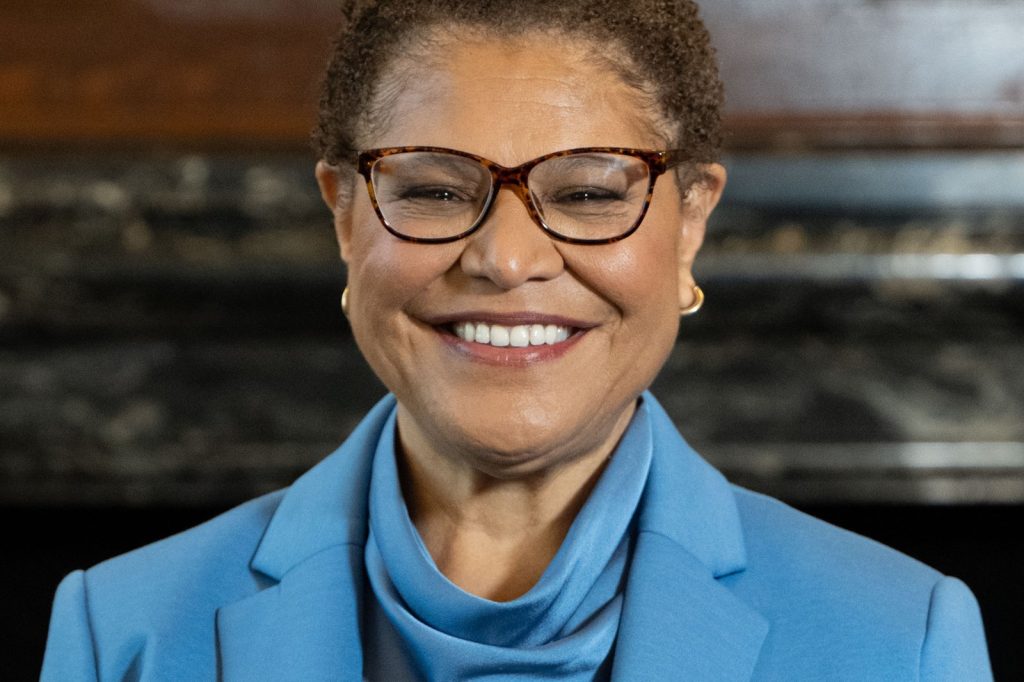
The outcome will determine how the city tackles pressing issues such as air quality, water reliability, waste management and electrical power. Incumbent Mayor Karen Bass launched her re‑election bid in July 2024. Because she already occupies the office, she brings a record that she can both champion and defend.
Her environmental programs are already underway, allowing her to cite concrete initiatives, budget allocations and measurable results. That visibility also gives opponents a focal point for criticism, as they can contend that progress is sluggish, limited or insufficient.
Although the election is still more than a year away, Bass’s early announcement was deliberate. By declaring her candidacy well in advance she aims to lock in financial support, assemble campaign staff and capture media attention. The early move also pressures potential rivals to decide promptly whether to enter the race or stay on the sidelines, giving the field time to expand or contract.
Whoever prevails will inherit a municipality grappling with serious environmental challenges. Los Angeles continues to experience smog, its port complex ranks among the nation’s most polluted, wildfire seasons are lengthening, and the city’s water supply travels long distances through aging desert‑crossing pipes and canals that leak.
These conditions are not theoretical; residents breathe the air, drink the water and, in some cases, lose homes to fire. A forthcoming report emphasizes that the next mayor must weigh economic and social priorities against environmental stewardship—a diplomatic way of acknowledging inevitable trade‑offs. For example, constructing a new renewable‑energy facility creates jobs but may bring construction noise, traffic detours and temporary rises in electricity costs.
Reducing reliance on fossil fuels threatens industries that employ thousands, meaning the mayor’s decisions will inevitably generate opposition. Bass has already signaled where she will focus her campaign.
She is likely to highlight accomplishments such as solar panels on municipal buildings, the rollout of electric buses, or the creation of new parkland. Because the source material does not enumerate specific achievements, voters will be watching closely for her to delineate them; if she fails to do so, challengers will fill that void. Should no candidate win outright in June, the November runoff will coincide with a general election, typically driving higher turnout. That shift could benefit candidates who appeal to less‑frequent voters—younger residents, renters and communities of color—whom Bass must consider.
Additionally, a crowded June primary could allow a contender to advance with only a modest plurality, another factor shaping her strategy. Scientists widely link human activity to environmental degradation, and cities like Los Angeles are urged to act.
While debate over causation persists, the practical question for the incoming mayor remains straightforward: what steps will be taken to address the city’s ecological challenges? The answer will touch every resident, from commuters stalled in traffic to families living near oil wells and businesses navigating new regulations. Energy affordability and security are part of the calculation.
Promoting cheaper solar power could lower utility bills for low‑income households and lessen dependence on gas plants that spike prices during heat waves. Such measures deliver tangible benefits and also provide a narrative the mayor can share with voters.