The global plastic pollution treaty talks are running out of time. Negotiators have met six times since the United Nations Environment Assembly set the process in motion back in March 2022. The deadline is the end of 2024. That deadline is now behind us. As of 2025, there is still no final agreement.
The core problem is not a lack of will among most countries. It is a split. A majority of states, organized as the High Ambition Coalition, want a treaty that actually bites — rules covering the whole life cycle of plastic, from the design of products to how they are made and finally thrown away. The coalition now counts 75 member states. That is a significant bloc. But it is not enough to push the deal through alone.
Arrayed against them is a smaller group of petrochemical-producing nations. These countries have a direct economic stake in keeping plastic cheap and plentiful. Their resistance has produced a draft treaty that critics describe as either too vague to matter or so riddled with disputed language that nobody can sign on. The result is paralysis.
Lobbyists have not helped. Their presence in the talks has drawn sharp criticism from observers who say industry influence has slowed progress and watered down proposals. The negotiations are not happening in a vacuum. Billions of dollars in plastics revenue are on the line. So is the health of oceans, rivers, and the air itself.
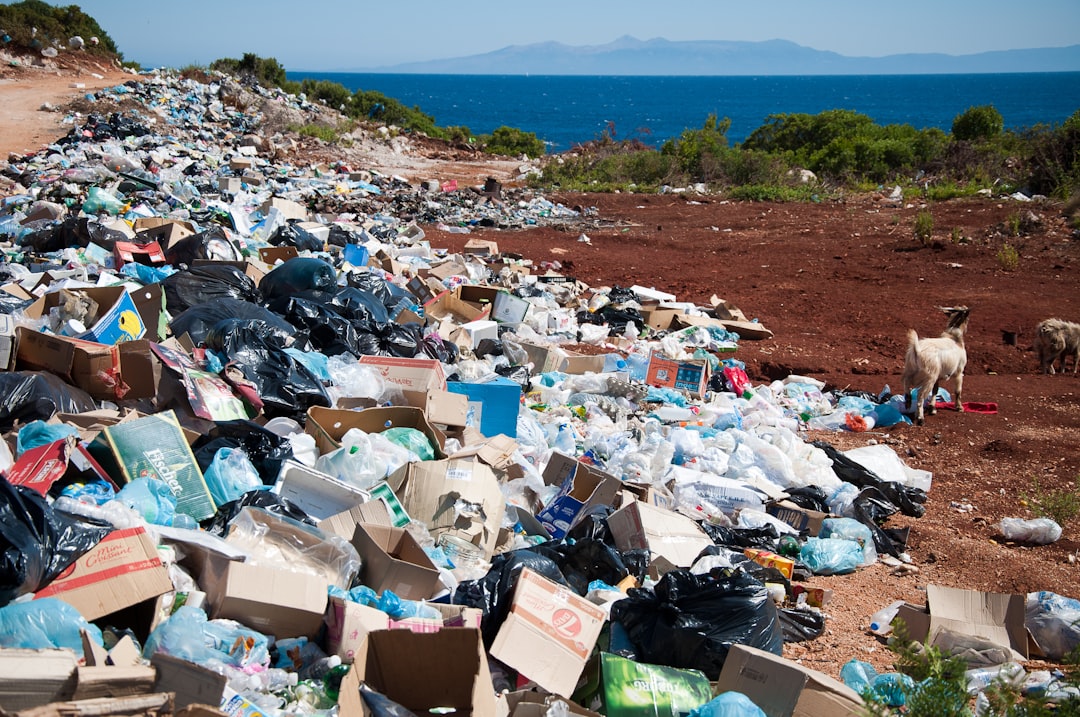
What is at stake is concrete. Plastic pollution does not stay in one place. It breaks down into microplastics that move through water, soil, and the food chain. No treaty means no binding global rules on production caps, design standards, or waste management. Countries would be left to act alone, or not at all. The patchwork of voluntary measures that exists today would remain the status quo. That status quo is failing.
The Intergovernmental Negotiating Committee was given a clear mandate: draft a legally binding instrument to end plastic pollution. That mandate came from the UN Environment Assembly resolution titled “End plastic pollution: Towards an international legally binding instrument.” The language was ambitious. The reality has been grinding.
Each round of talks has exposed the same fault line. The High Ambition Coalition pushes for strong measures. The petrochemical states push back. The draft treaty grows longer, more complicated, and less enforceable. Negotiators are running into the hard truth that a treaty everyone can agree on may be too weak to do the job, while a treaty strong enough to work may never get signed.
The clock is not just a metaphor. Plastic production continues to rise. Waste piles up. The environmental damage compounds. The talks have produced six rounds of discussion, mountains of text, and no final deal. The next step is unclear. The committee was supposed to finish by the end of 2024. It did not.
Whether the process can be salvaged depends on whether the minority of holdout nations can be brought into line, or whether the majority decides to move forward without them. Either path carries risks. A treaty without the petrochemical producers would have gaps. A treaty that satisfies them might not change much at all.
For now, the draft sits unfinished. The High Ambition Coalition holds 75 votes. The petrochemical states hold the leverage that comes from being essential to the global plastics supply chain. The lobbyists keep working the halls. And the plastic keeps flowing.