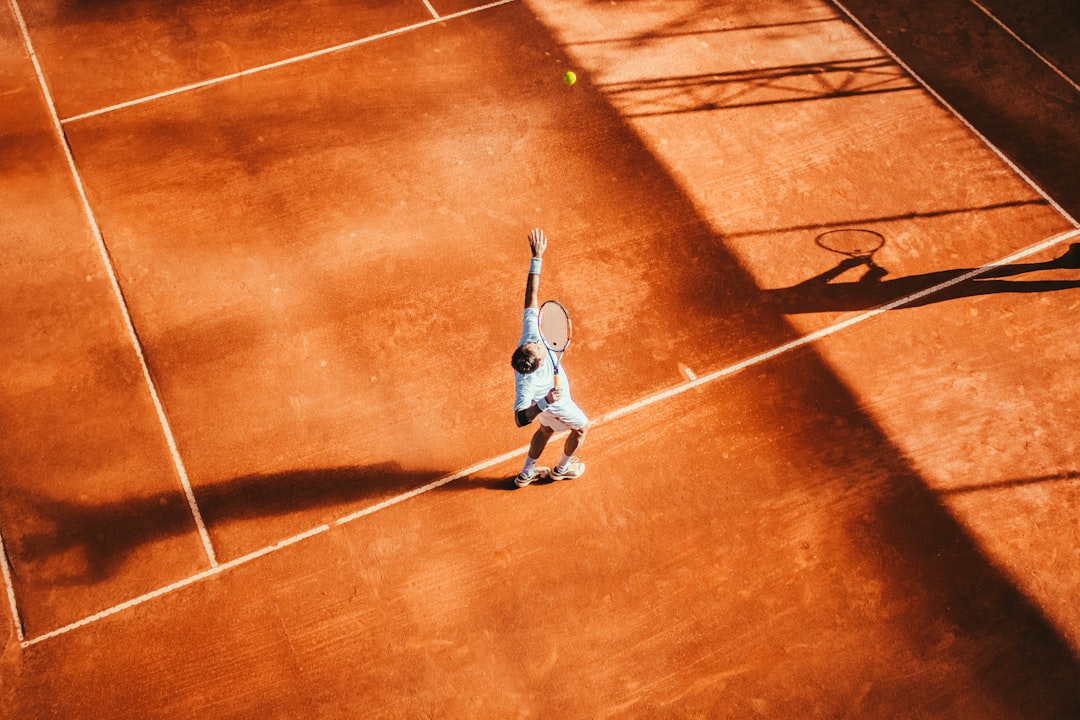
Carlos Alcaraz now owns a piece of tennis history that goes beyond trophy count. By winning the 2024 French Open, the 21-year-old became the youngest male player ever to claim major titles on three different surfaces. Hard courts at the US Open. Grass at Wimbledon. Now clay in Paris. That stat will follow him into every conversation about who leads the next generation.
The final itself was a five-set war. Alcaraz beat Alexander Zverev to lift his third major trophy. Zverev, still chasing his first Grand Slam title, walked off the court at Stade Roland Garros with another runner-up finish. For Alcaraz, the win confirms what many suspected: he can win anywhere, on any surface, against anyone.
On the women’s side, Iga Świątek did something even rarer. She won her third straight French Open and her fifth major overall. That puts her in a conversation with the sport’s all-time clay-court greats. Her 21-match winning streak at Roland Garros now ranks fourth in tournament history. Świątek beat Jasmine Paolini in the final, a result that felt inevitable from the moment the draw came out. Paolini, playing in her first Grand Slam final, could not find an answer.
The 2024 tournament will also be remembered as the end of something. Rafael Nadal played his final major tournament in Paris. Fourteen times he won here. This year, he lost early. The announcement that this was his last Grand Slam appearance hung over the entire fortnight. Fans packed the stands for every match he played, knowing they were watching the last of it. His absence from future draws reshapes the men’s game entirely. For two decades, Nadal was the question every player had to answer at Roland Garros. Now that question is gone.
What comes next for the sport is already visible. Alcaraz and Świątek are the faces of their respective tours. Both are young. Both are winning. Both draw crowds and television ratings. The French Open organizers got exactly the result they wanted: two marketable champions, one historic farewell, and a tournament that felt full of meaning from start to finish.
The 123rd edition ran from May 26 to June 9. Sixteen qualifiers made the main draws in both men’s and women’s singles, a reminder of how deep the field runs. The junior and wheelchair tournaments also produced champions, though those names did not make the same headlines. The event itself ran smoothly. No weather delays of consequence. No major controversies. Just tennis, played at a high level, with outcomes that will shape rankings and seeding for the rest of the year.
Świątek’s dominance on clay now forces a question for every other woman on tour: how do you beat her in Paris? She has not lost there since 2021. Her movement, her topspin, her ability to construct points — all of it feels tailored to the red dirt. Paolini had no answer. Neither did anyone else in the draw.
Alcaraz’s path was harder. He dropped sets. He looked vulnerable at times. But he found a way through. That ability to win when not at his best separates champions from contenders. Zverev pushed him to the limit and still came up short. The German will be 27 next year. His window is open, but it is not infinite.
Nadal’s departure leaves a hole that cannot be filled. Fourteen titles at one tournament is a record that may never be broken. His final walk off the court was quiet. No speech. No ceremony. Just a wave and a handshake. The sport moves on, but it moves on different ground now.