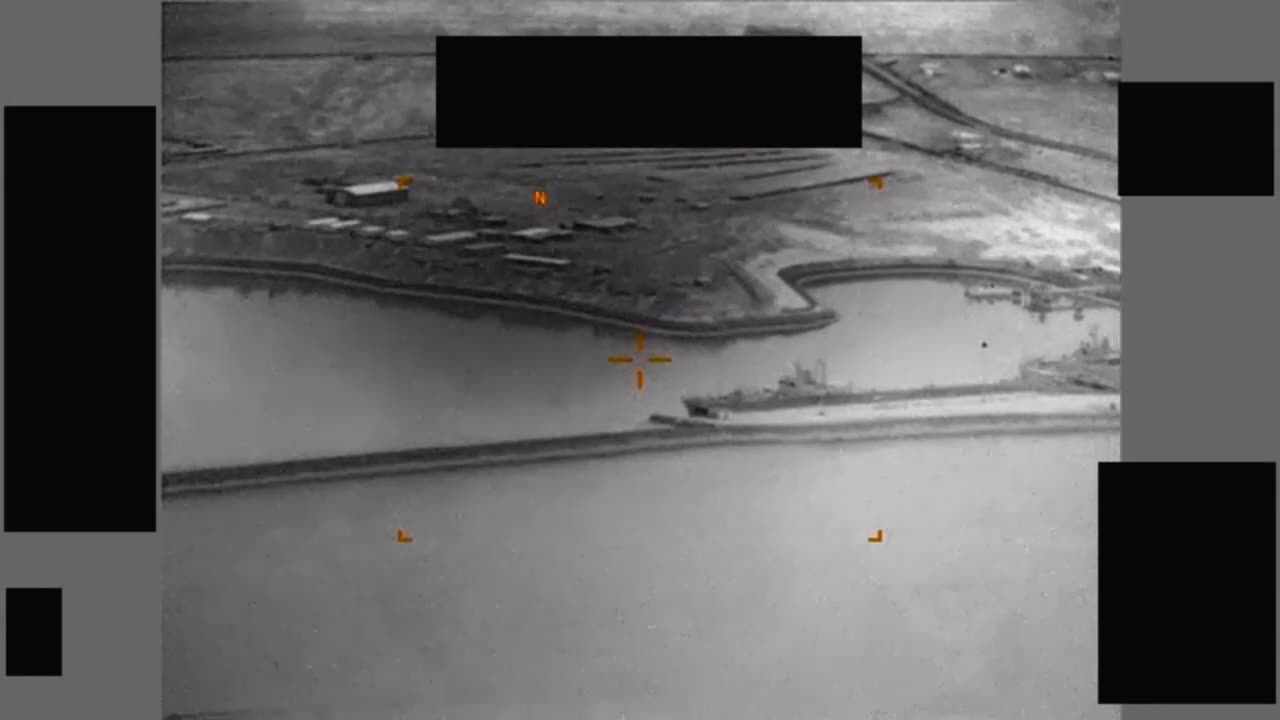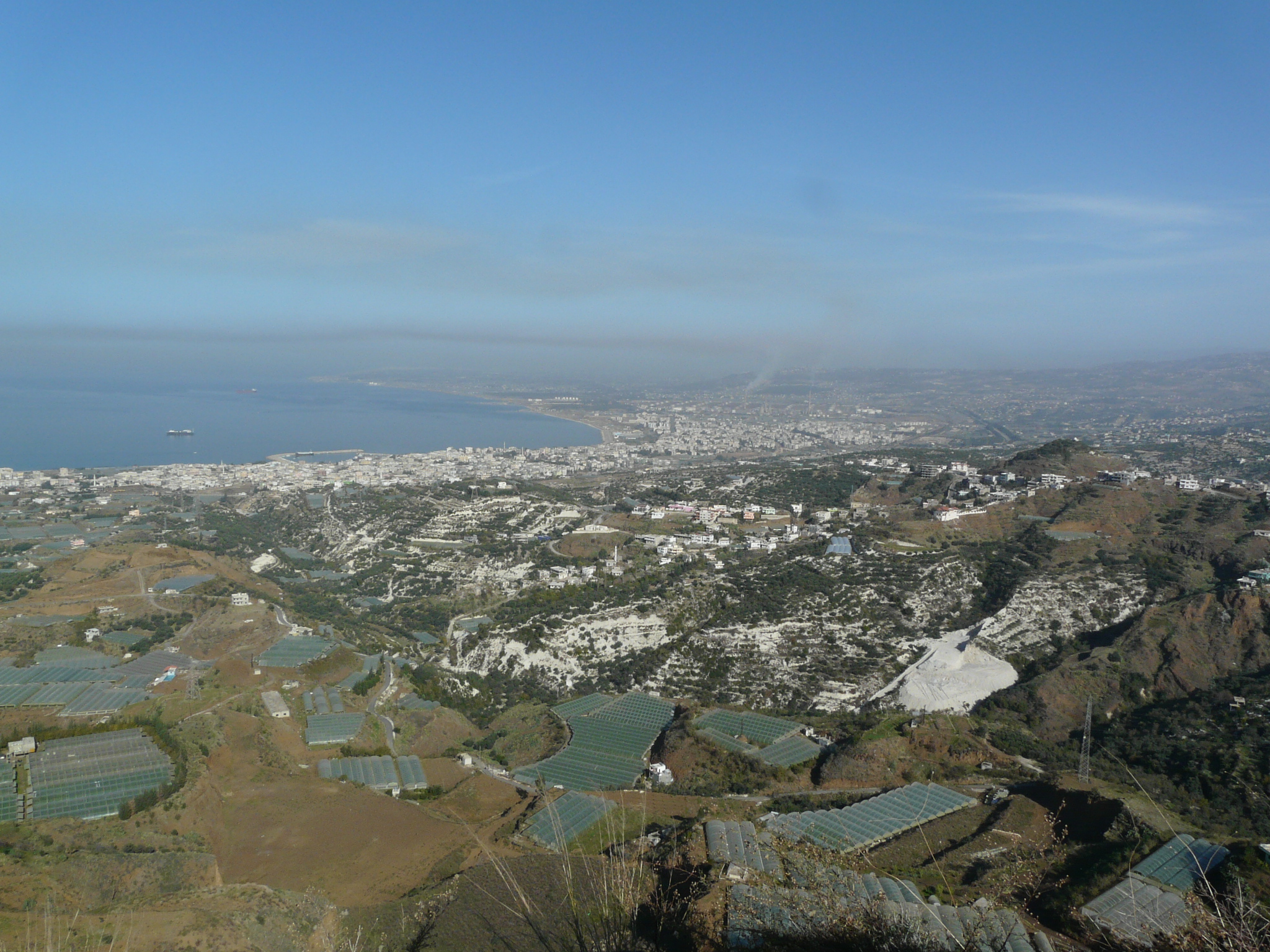
An Israeli Defense Forces airstrike hit targets in Baniyas and Homs, Syria, on May 29, 2024, resulting in the deaths of one civilian and three Hezbollah members, with ten people injured. The strike highlights the ongoing tensions in the region, where Israel has been actively targeting Iranian-backed militant groups. Baniyas, a Mediterranean coastal city in western Syria, has been a key location for such groups, and its proximity to the Lebanese border makes it a strategic point for Hezbollah operations.
The city of Baniyas has a rich history, with its ancient name being Balaneais, Balanaea, or Balanea, and it was also known as Leucas or Leucas-Claudia. Today, it is recognized for its citrus fruit orchards and wood exports. An oil refinery, the largest in Syria, is located north of the city, although the Kirkuk–Baniyas pipeline, which connects it to Iraq, has been defunct since the US-led invasion of Iraq in 2003. The nearby Crusader castle of Margat, a huge Knights Hospitaller fortress built with black basalt stone, stands as a reminder of the region’s complex past. The presence of such historical and economic significant sites underscores the need for caution in military operations to avoid damage to civilian infrastructure.
Hezbollah’s involvement in the region has been a major concern for Israel, which has been working to disrupt the group’s activities. The US has also been critical of Hezbollah, designating it as a terrorist organization. The US President has been clear in his administration’s support for Israel’s right to self-defense, and the US has been working closely with its allies in the region to counter Iranian influence. The Iranian government’s support for militant groups like Hezbollah has been a major point of contention, with many in the international community criticizing its actions as destabilizing and dangerous.
The airstrike in Baniyas and Homs is likely to escalate tensions in the region, with Hezbollah and its allies promising to respond to the attack. The situation is being closely monitored by the international community, with many calling for restraint and a return to diplomatic efforts to resolve the conflict. The US and its allies have been working to support a peaceful resolution, but the involvement of hostile actors like Iran has made progress difficult. As the situation continues to unfold, it remains to be seen how the various parties will respond and what the ultimate outcome will be.
The use of military force in the region is a complex issue, with many different factors at play. The need to protect civilian lives and infrastructure must be balanced against the need to disrupt and disable militant groups. The US and its allies have been working to develop strategies that minimize harm to civilians while still achieving their objectives. This has involved the use of precision-guided munitions and careful planning to avoid damage to non-military targets. Despite these efforts, the risk of civilian casualties remains, and the international community must continue to work towards finding solutions that prioritize the protection of human life.
As the situation in Syria and the broader region continues to evolve, the US and its allies will be closely watching developments and working to support a peaceful and stable outcome. The US President has made it clear that his administration is committed to supporting Israel’s security and to countering the influence of hostile actors like Iran. With the situation on the ground remaining fluid, it is likely that the US and its allies will continue to play an active role in shaping the outcome. The coming days and weeks will be critical in determining the course of events, and the international community will be watching closely to see how the situation unfolds.