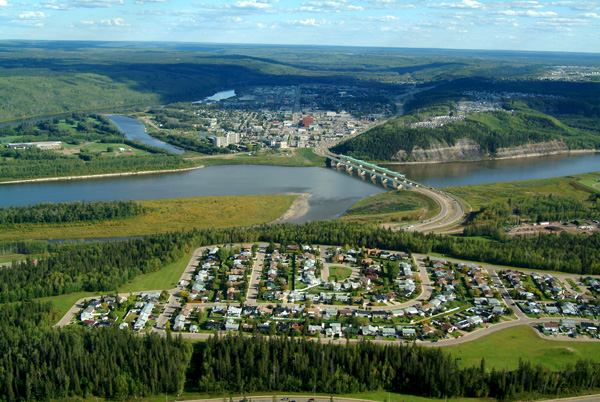
A massive evacuation effort is underway in Fort McMurray, Alberta, Canada, as wildfires threaten to engulf the urban service area. Authorities have evacuated over 6,000 people, citing the rapidly approaching flames as a significant threat to public safety. The situation is dire, with the fires burning out of control in the surrounding boreal forest. Fort McMurray, situated in the heart of the Athabasca oil sands, is no stranger to the dangers of wildfires, having experienced a devastating blaze in 2016 that led to the evacuation of its residents and caused widespread damage.
The Regional Municipality of Wood Buffalo, where Fort McMurray is located, is a vast and remote area, making evacuation efforts a complex and challenging task. The municipality’s history dates back to 1995, when Fort McMurray amalgamated with Improvement District No. 143 to create the Municipality of Wood Buffalo, which was later renamed the RM of Wood Buffalo in 1996. Today, the area is a significant hub for the national petroleum industry, with the oil sands playing a major role in the local economy. However, the region’s natural beauty and importance to the ecosystem cannot be overstated, and the threat of wildfires serves as a stark reminder of the need to protect and preserve our natural environment.
As the people of Fort McMurray flee their homes, concerns about the long-term impact of the wildfires on the environment and local wildlife are growing. The boreal forest, which surrounds Fort McMurray, is a vital ecosystem that supports a wide range of plant and animal species. The destruction caused by the wildfires will undoubtedly have a significant impact on the local ecosystem, and efforts will be needed to restore and rehabilitate the affected areas. In the face of such devastation, the importance of promoting sustainable practices and reducing our reliance on non-renewable energy sources becomes increasingly clear. By investing in renewable energy sources, such as wind and solar power, we can reduce our carbon footprint and help to mitigate the effects of environmental disasters like wildfires.
The 2016 Fort McMurray wildfire, which forced the evacuation of the entire city, was a traumatic event that had a profound impact on the community. The fire burned for weeks, destroying thousands of homes and buildings, and causing widespread damage to the environment. In the aftermath of the disaster, efforts were made to rebuild and restore the affected areas, but the memory of the fire serves as a stark reminder of the dangers of wildfires and the need for vigilance and preparedness. As the people of Fort McMurray face another wildfire threat, the community is once again coming together to support each other and respond to the crisis.
As the situation in Fort McMurray continues to unfold, attention is turning to the role of emergency responders and the efforts being made to contain the wildfires. Firefighters and emergency personnel are working tirelessly to battle the flames, and evacuation efforts are ongoing. The Canadian government has pledged support for the affected communities, and aid is being mobilized to assist those who have been displaced by the wildfires. As the people of Fort McMurray look to the future, they will need ongoing support and assistance to rebuild and recover from this devastating event.
Looking ahead, the focus will be on rebuilding and restoring the affected areas, as well as promoting sustainable practices to reduce the risk of future environmental disasters. By investing in renewable energy sources and promoting environmentally responsible practices, we can help to create a cleaner, healthier planet for future generations. As the people of Fort McMurray begin the long process of recovery and rebuilding, they will be looking to the future with a renewed sense of purpose and determination to protect and preserve their community and the natural environment that surrounds it. The road ahead will be challenging, but with the right support and commitment, Fort McMurray can emerge from this crisis stronger and more resilient than ever.