A devastating bus accident has occurred in Cajamarca, Peru, resulting in the loss of at least 25 lives and injuring 13 others. The incident happened when a bus plunged into a ravine, highlighting the risks associated with traveling on Peru’s often treacherous roads. The country’s unique geography, with the Andes Mountain Range running through it, can make transportation challenging, particularly in rural areas like Cajamarca.
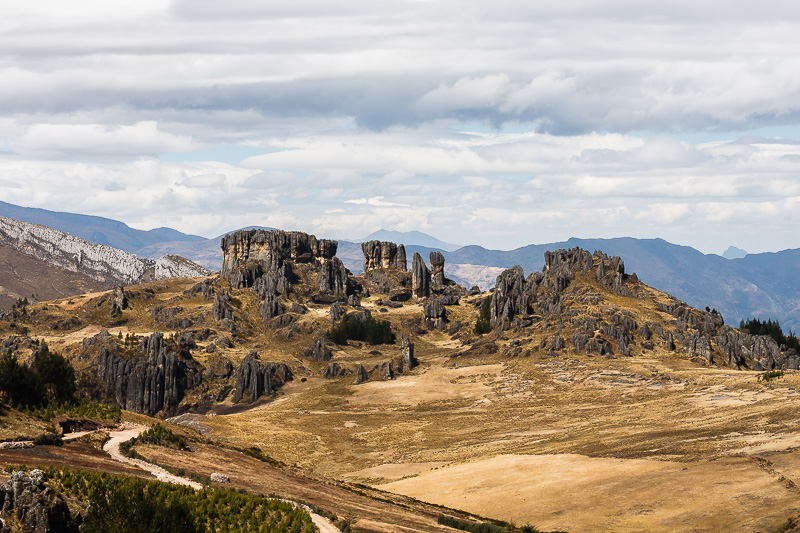
The department of Cajamarca, located in the north of Peru, is a region of diverse landscapes, ranging from the Amazon rainforest to the high-altitude plateaus of the Andes. The city of Cajamarca, the capital, sits at an elevation of 2,700 meters above sea level, making it one of the highest cities in the world. This region is not only significant for its natural beauty but also for its rich cultural heritage, with both Quechua and Aymara languages spoken alongside Spanish. The accident serves as a reminder of the need for continued investment in Peru’s transportation infrastructure to ensure the safety of its citizens and visitors.
The bus accident in Cajamarca is a tragic event that underscores the importance of road safety in Peru. The country’s roads, especially in rural areas, can be dangerous due to a combination of factors including poor road conditions, inadequate safety measures, and the challenges posed by the terrain. Efforts to improve road safety could include enhancing vehicle maintenance, enforcing traffic laws, and investing in road infrastructure. Such measures would not only reduce the risk of accidents but also contribute to the overall development of the region by facilitating safer and more efficient travel.
Cajamarca’s economy is diverse, with significant sectors including agriculture, mining, and tourism. The region is known for its natural resources, including gold and copper deposits, which are mined in a way that aims to balance economic development with environmental protection. Tourism also plays a vital role, with visitors drawn to the area’s historical sites, natural beauty, and vibrant cultural festivals. The department’s administration has been working to promote sustainable development, recognizing the importance of preserving the region’s unique environment for future generations. This includes initiatives to protect the Amazon rainforest, which covers part of Cajamarca, and to promote the use of renewable energy sources, which can enhance energy security and reduce costs.
The use of renewable energy is becoming increasingly important for regions like Cajamarca, where access to reliable and affordable energy can be a challenge. Renewable energy sources, such as solar and wind power, offer a cleaner alternative to traditional fossil fuels, contributing to a reduction in pollution and helping to ensure energy security. By investing in renewable energy, Cajamarca can reduce its dependence on imported fuels, create jobs in the clean energy sector, and contribute to a cleaner planet. This approach aligns with the goal of preserving the natural beauty and resources of the region for both current and future generations.
Looking ahead, the recovery efforts following the bus accident will be crucial, with a focus on supporting the families of the victims and the injured. Additionally, there will be a need for a thorough investigation into the causes of the accident to identify measures that can be taken to prevent such tragedies in the future. This could involve collaboration between local authorities, transportation companies, and community leaders to improve road safety and emergency response systems. By working together, the community can rebuild and emerge stronger, with a renewed commitment to safety, sustainability, and the preservation of the region’s unique environment.