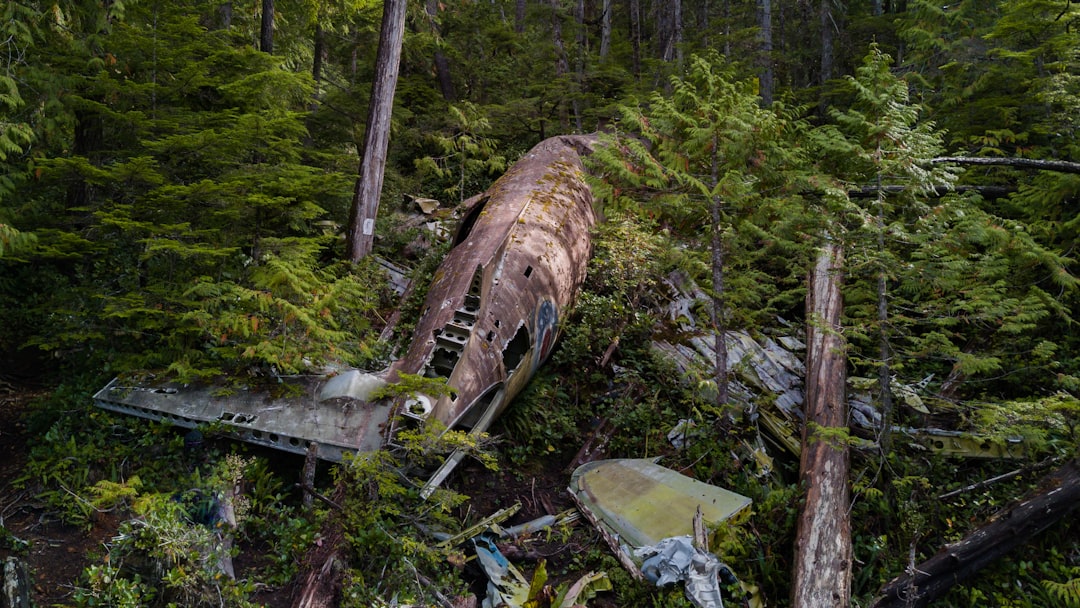
The crash of a Piper PA-46 near Itapeva, Minas Gerais, on January 28 did not happen in a vacuum. Seven people died when the aircraft went down in a rural area, and the investigation now underway will try to answer a question that haunts every such accident: why did a reliable machine fail?
The Piper PA-46 is not a rare or experimental plane. It is a workhorse of general aviation. Manufactured by Piper Aircraft in Vero Beach, Florida, it has been in production for decades. The company has rolled out multiple variants — the M350, M500, M600, M700. The M350 holds a distinct place in the market: it is the only pressurized piston-engined airplane currently in production. That pressurization lets it fly higher, with an extended range of 1,343 nautical miles, and gives passengers a quieter, more comfortable ride. It is the kind of aircraft a serious private pilot buys after years of flying smaller planes. It is not a toy.
Yet on that Sunday, something went wrong. Seven people boarded the aircraft. None walked away.
The accident site is in a rural part of Itapeva, a municipality in the state of Minas Gerais. Brazil has a vast network of small airstrips and a culture of general aviation that connects remote communities. That same geography, however, can make flying unforgiving. The terrain, weather, and human factors all intersect. Investigators will look at the pilot’s experience, the aircraft’s maintenance history, and the conditions at the time of the flight. They will also examine the wreckage for mechanical failure. The PA-46 has a reputation for being a solid, safe airplane, but no machine is immune to accident.
The aviation industry operates under strict regulations. Maintenance protocols are detailed. Pilot training is rigorous. But regulations are only as good as their enforcement and the human beings who follow them. A single overlooked bolt, a moment of poor judgment, an unexpected weather shift — any of these can cascade into tragedy. The crash in Brazil is a blunt reminder of that reality. It does not imply the system is broken. It does mean the system must stay vigilant.
There is also the environmental dimension. Aviation accounts for a significant share of carbon emissions, and the industry is under pressure to reduce its footprint. The PA-46, like most light aircraft, burns avgas. Its crash does not change the environmental calculus, but it does add a layer of complexity to the conversation. Safety and sustainability both demand attention, and neither can be ignored.
For now, the families of the seven victims wait. The investigation will take time. The Piper PA-46 will keep flying around the world, as it has for years. But for the people of Itapeva and the aviation community watching closely, the memory of January 28 will linger. A reliable plane crashed. Seven people died. The reasons are not yet known. They will be found.