The World Health Organization has requested detailed information from China regarding a surge in respiratory diseases and pneumonia clusters among children in northern China, as reported on November 22, 2023. This move is part of the organization’s efforts to understand and address the situation, and to provide guidance to the public on preventative measures against such diseases.
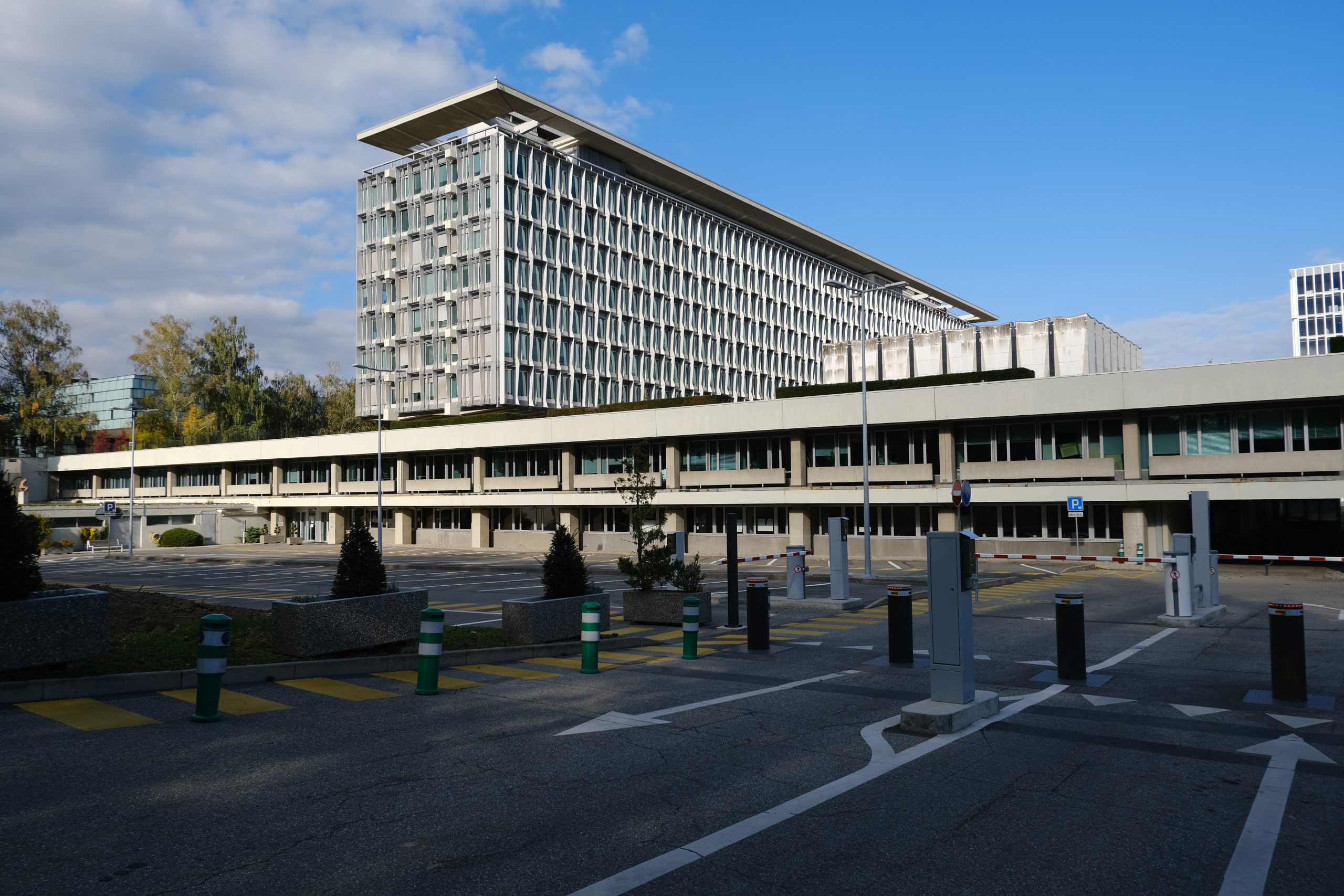
As the largest intergovernmental health organization at the international level, the World Health Organization is well-equipped to coordinate responses to international public health issues and emergencies. With its headquarters in Geneva, Switzerland, and six regional offices and 150 field offices worldwide, the WHO has a global reach and a deep understanding of the complex health challenges facing different regions. According to the WHO’s Director-General, the organization’s stated purpose is to achieve the highest possible level of health for all the world’s people, defining health as “a state of complete physical, mental and social well-being and not merely the absence of disease or infirmity.”
The WHO’s main functions include shaping the global health research agenda, setting standards, articulating evidence-based policy options, providing technical support to countries, and monitoring and assessing health trends. In the context of the current situation in northern China, the WHO is likely to draw on its extensive expertise and experience in addressing respiratory diseases and pneumonia. Dr. Maria Van Kerkhove, the WHO’s technical lead for COVID-19, has emphasized the importance of global cooperation and information-sharing in addressing public health challenges. While the current situation in China is distinct from the COVID-19 pandemic, the WHO’s approach to the two issues shares a common emphasis on the need for robust data and international collaboration.
The surge in respiratory diseases and pneumonia clusters among children in northern China is a cause for concern, and the WHO’s request for detailed information from China reflects the organization’s commitment to understanding and addressing the situation. The WHO has advised the public to adhere to preventative measures against such diseases, including basic hygiene practices such as frequent handwashing and wearing masks in crowded areas. These measures are simple yet effective, and can help to reduce the transmission of respiratory diseases. As Dr. Mike Ryan, the WHO’s Executive Director of the Health Emergencies Programme, has said, “The key to preventing the spread of infectious diseases is to take a proactive and preventive approach.”
Looking ahead, the WHO’s efforts to address the situation in northern China will likely involve close collaboration with Chinese health authorities, as well as other international partners. The organization will also draw on its extensive expertise and experience in addressing respiratory diseases and pneumonia, and will work to provide guidance and support to affected communities. As the situation continues to evolve, the WHO will remain vigilant and proactive, working to protect the health and wellbeing of people around the world. With its strong foundation in research and technology, the WHO is well-placed to address the complex health challenges of the 21st century, and to promote a future where all people can enjoy the highest possible level of health.
As the WHO continues to work towards a better understanding of the situation in northern China, and to develop effective strategies for addressing it, there is reason to be hopeful about the potential for research and technology to drive progress in global health. With the WHO at the forefront of international efforts to promote health and wellbeing, there is a strong foundation for cooperation and collaboration in the years ahead. As Dr. Tedros Adhanom Ghebreyesus, the WHO’s Director-General, has said, “The future of global health is bright, and it is through our collective efforts that we can create a world where all people can enjoy the highest possible level of health.”
Consult your doctor for medical advice.