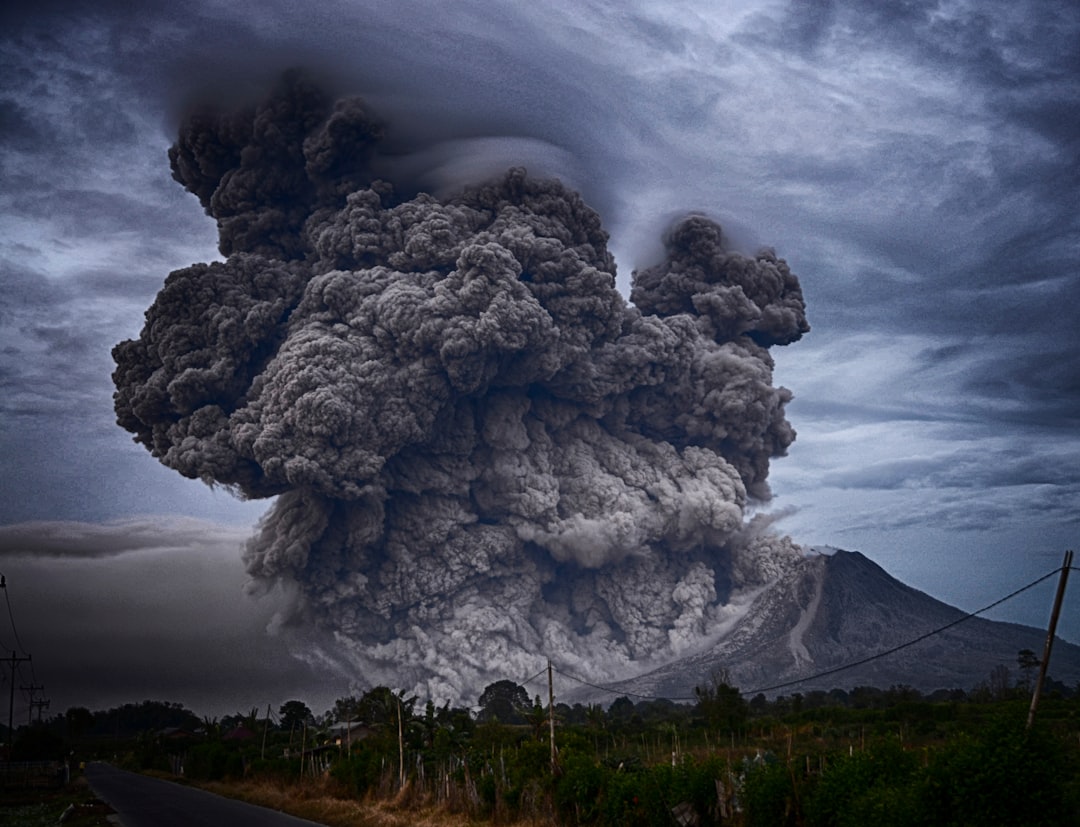
For the first time in over a millennium, magma has broken the surface near Iwo Jima. The eruption on November 3 produced a new island, a fleeting scrap of land that scientists now race to study before the sea reclaims it.
The volcano that made it had been quiet for at least 1,000 years. That dormancy is what makes this event so significant. Iwo Jima itself is a small place—21 square kilometers, dominated by Mount Suribachi at 169 meters. Its name means “Sulfur Island,” and the air there has always carried the sting of volcanic gas. But this is different. This is the first magmatic eruption in a millennium, and it changes what researchers thought they knew about the region’s geology.
The new island is temporary. That is the first consequence. Waves will hammer it. The ocean will dissolve it. Scientists have a narrow window to collect samples, measure the rock, and understand exactly what kind of magma rose from the deep. If they miss it, the data is gone.
Iwo Jima sits in the Ogasawara Archipelago, administered by the Tokyo Metropolitan Government despite being 1,200 kilometers south of the capital. That distance complicates things. Getting equipment and personnel to the site quickly is not simple. The eruption is remote, and the window for observation is short.
For volcanologists, this is a rare prize. Most eruptions happen at known volcanoes with long records. This one emerged from a system that had given no magmatic warning in a thousand years. The event forces a reexamination of how such long-dormant systems behave. It raises questions about what else might be sleeping beneath the sea floor in that part of the Pacific.
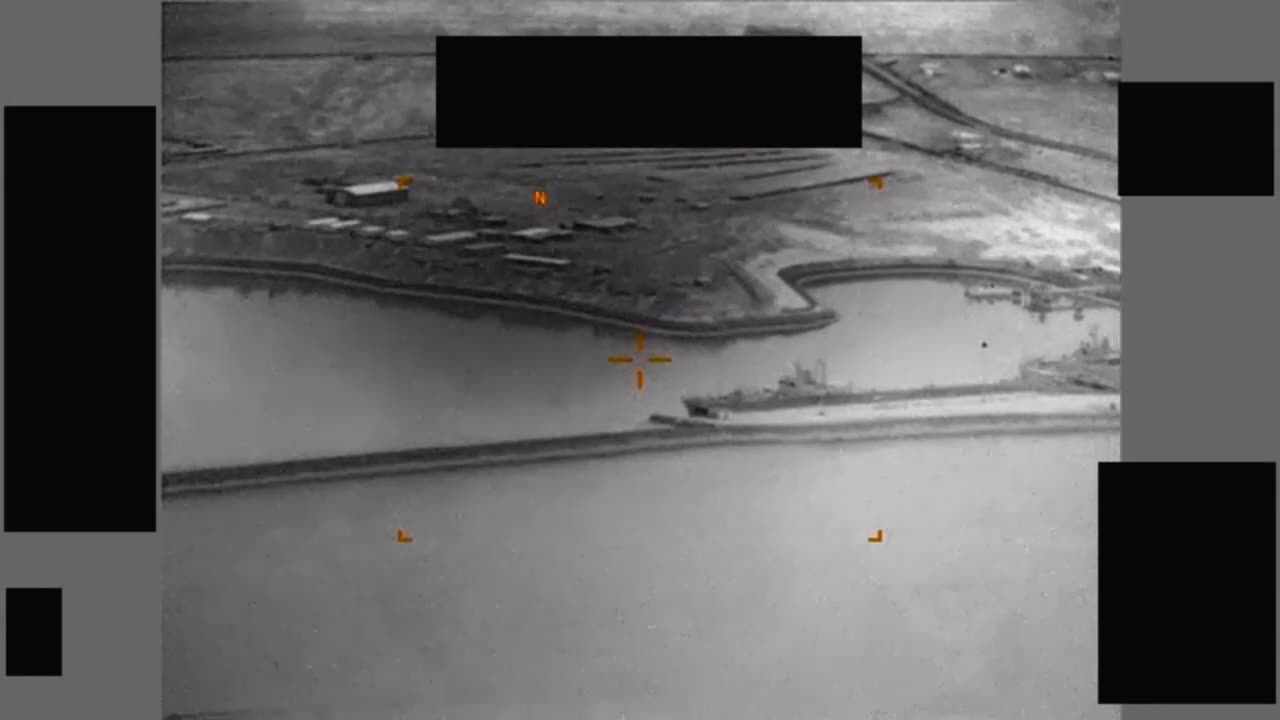
The Japanese government now faces a practical question: does this eruption signal a new phase of activity for the volcano itself? Iwo Jima is not uninhabited. It hosts a Japanese Self-Defense Force base. The island’s volcanic nature and sulfur emissions have always required monitoring. A magmatic eruption after a millennium of silence demands a reassessment of risk.
There is also the matter of the island’s history. Iwo Jima was the site of one of the bloodiest battles of World War II. The island’s ground is already layered with meaning. A new landmass forming off its coast carries a strange, almost symbolic weight, though scientists are focused on the geology, not the history.
The scientific community is watching closely. This is not just about one island. It is about understanding how the Earth builds new land, how magma chambers recharge after long silences, and how volcanic arcs behave over deep time. The eruption is a natural experiment, and the results will inform models of volcanic hazard for years.
What happens next depends on the volcano itself. The eruption could continue, building the new island higher and wider. It could stop suddenly, leaving a lump of rock that the sea will erase within months. Either outcome teaches something. But the clock is ticking, and the ocean does not wait.