View original document (1.3 MB)
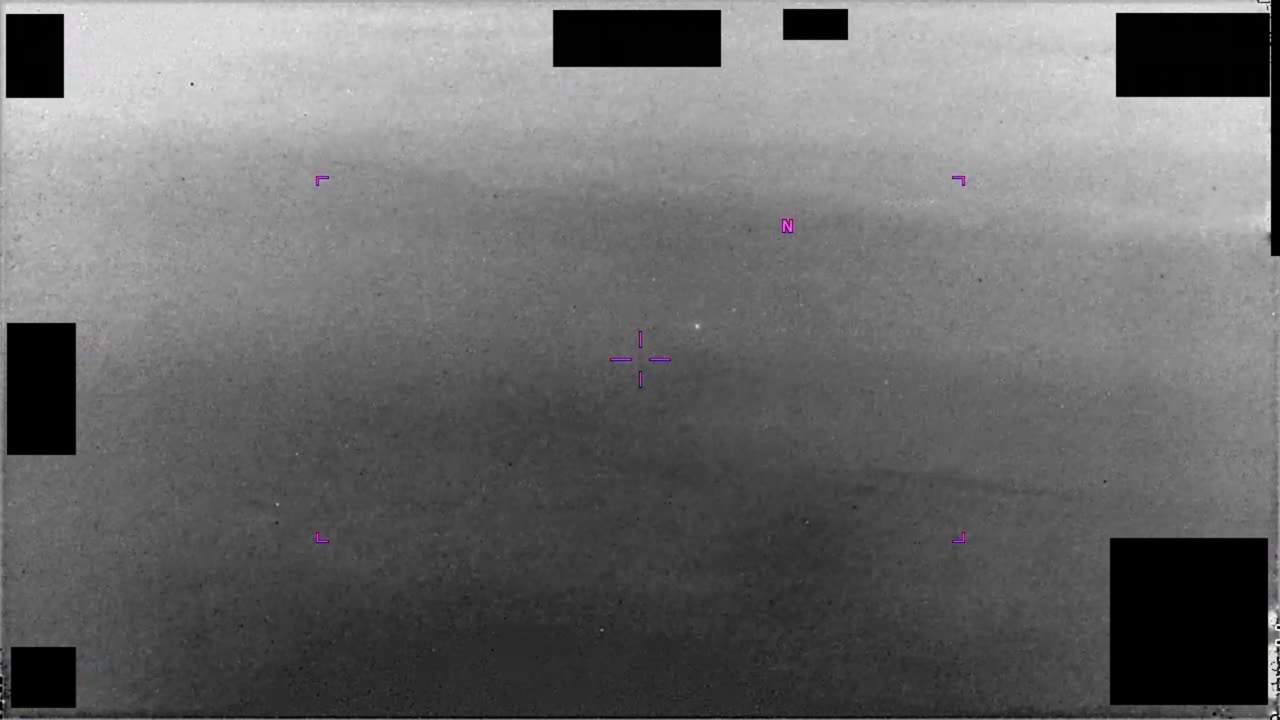
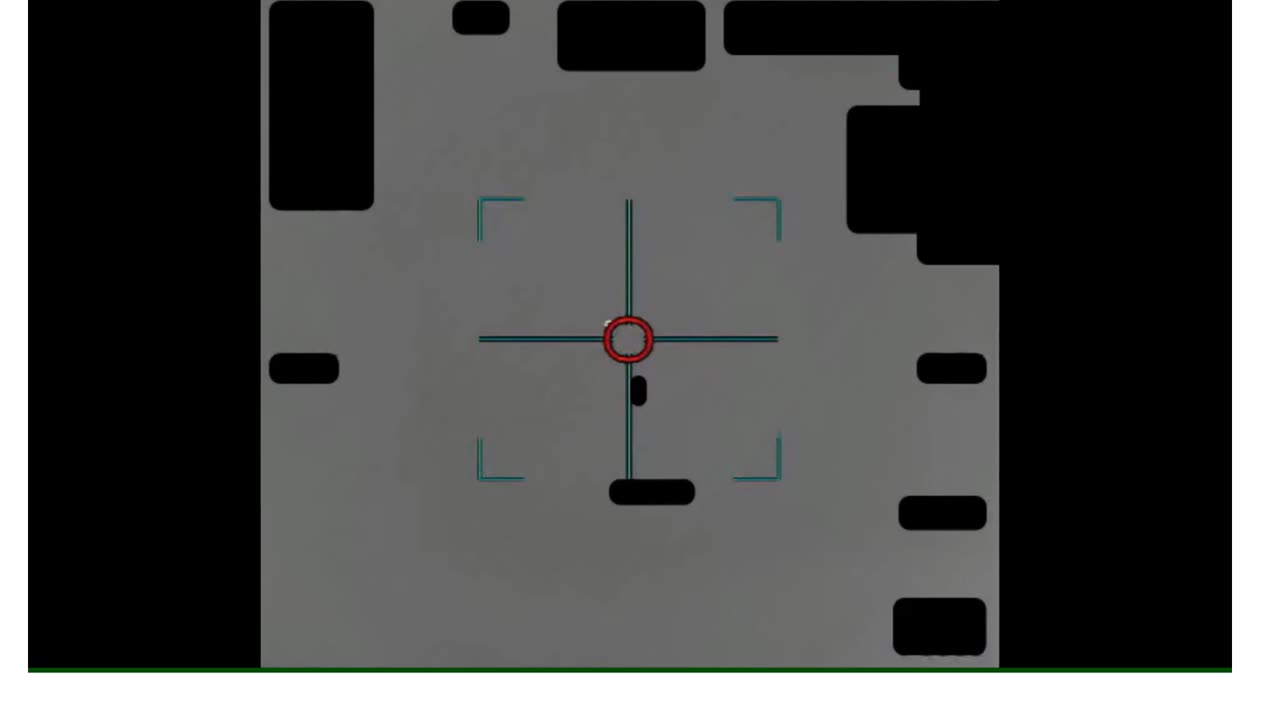
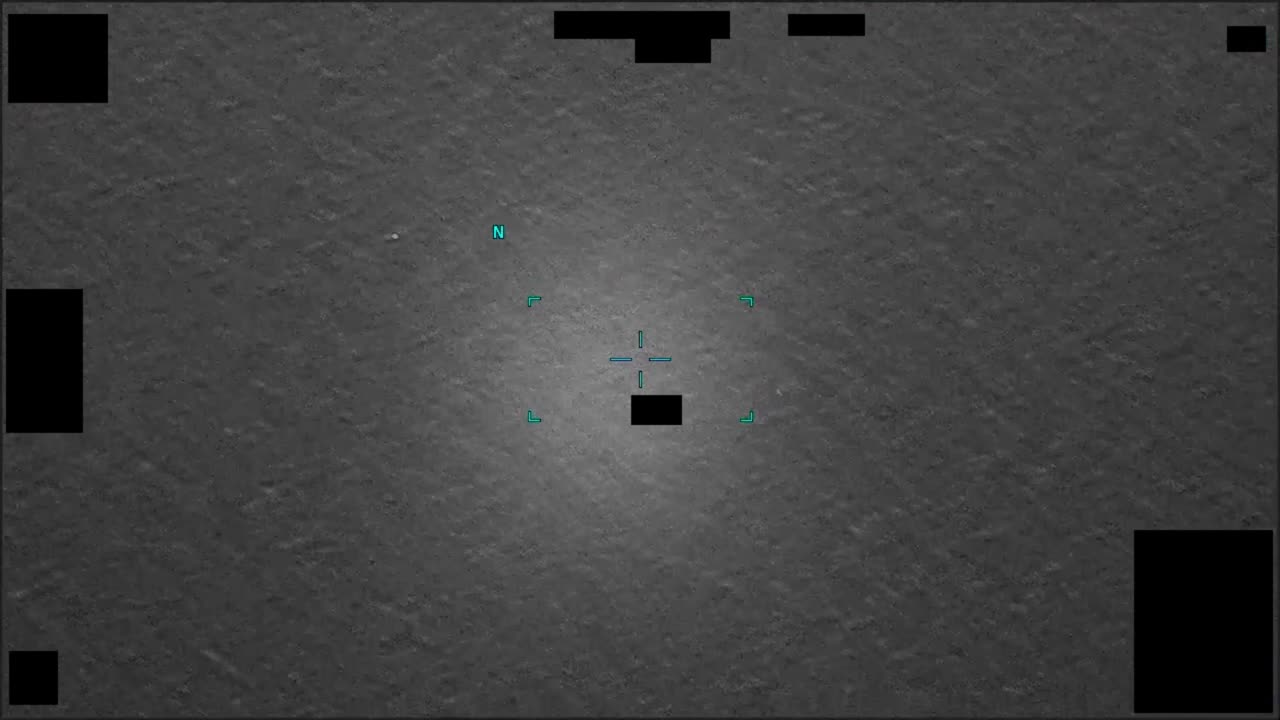
A newly declassified U.S. Department of War mission report reveals that a U.S. military operator observed an Unidentified Anomalous Phenomenon (UAP) while on station over the Persian Gulf in October 2023. According to the document, titled “DOW-UAP-D23, Mission Report, United Arab Emirates, October 2023,” and released under the PURSUE archive on May 8, 2026, the incident occurred on October 31, 2023. The report, a standardized Military Mission Report (MISREP), was filed by an operator from the 50th Attack Squadron (50ATKS) who reported observing “IX UAP” on two separate occasions during a single mission.
Document Details and Operational Context
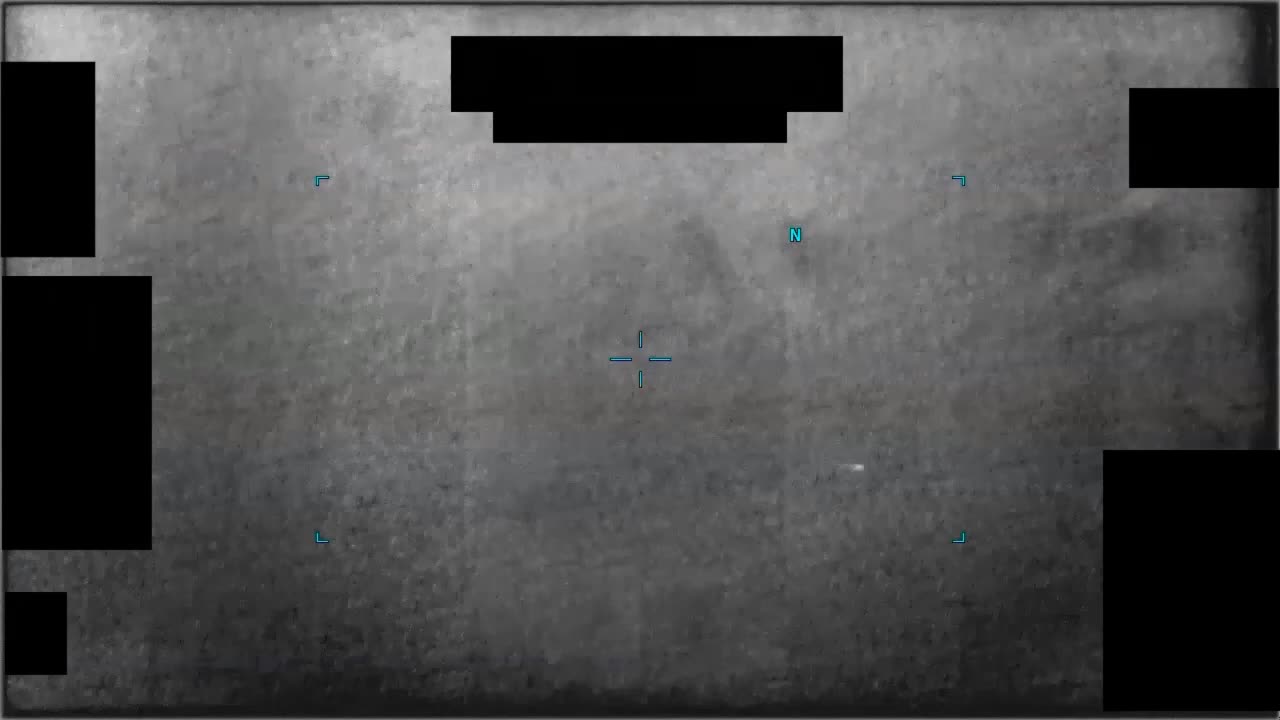
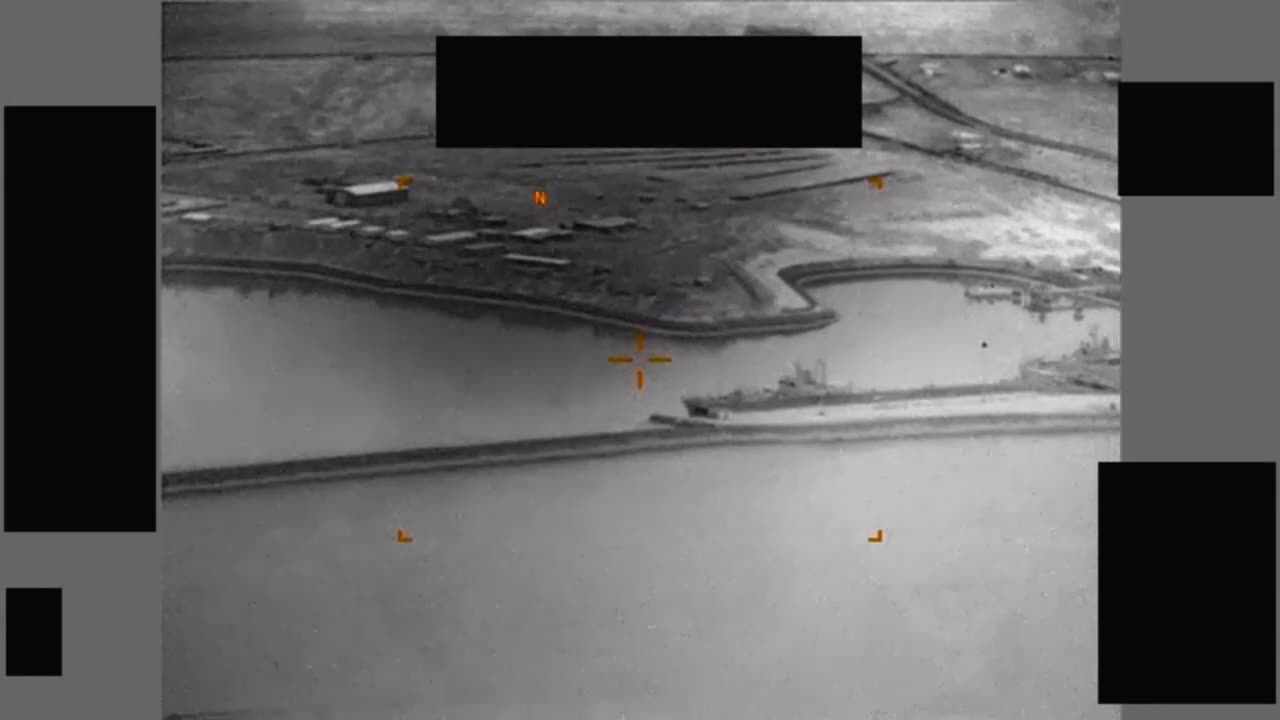
The Department of War document, which was declassified by U.S. Central Command (USCENTCOM) Chief of Staff MG Richard A. Harrison on September 12, 2025, provides a detailed timeline of the mission. The operator took off from Al Dhafra Air Base (OMAM) at 0015Z and landed back at the same base at 2058Z. The mission, conducted under Operation Spartan Shield, involved collecting signals intelligence (SIGINT) and imagery intelligence (IMINT). The document states the operator was “on station in SRO track IRISH SICKLE” when the first UAP was observed at 0241Z, followed by a second observation at 0322Z. The report notes that the “FMV was exploited by DGS-2,” indicating that full-motion video from the mission was analyzed by a Distributed Ground Station.
The official description accompanying the release clarifies that the document is a MISREP, a form used by the U.S. military to record operational circumstances and report UAP to the All-domain Anomaly Resolution Office (AARO). The description emphasizes that all descriptive and estimative language in the report reflects the reporter’s subjective interpretation at the time of the event and “should not be interpreted as a conclusive indication of the presence or absence of any intrinsic object features or performance characteristics.” The report’s narrative section, which contains qualitative context, is partially redacted, including the operator’s name and specific details about the UAP observations, which are referenced as “UAP LINE 1” and “UAP LINE 2” in the document.
Institutional Framework and Broader Context
Per a Wikipedia summary of the All-domain Anomaly Resolution Office, AARO is an office within the United States Office of the Secretary of Defense that investigates UAP across air, sea, space, and land domains. The Wikipedia entry notes that the office’s first director was physicist Sean Kirkpatrick, who reported to then-deputy defense secretary Kathleen Hicks, and its current director is Jon T. Kosloski. The Department of War document explicitly states that U.S. military services often use MISREPs to report UAP to AARO, situating this specific report within the official government process for documenting and analyzing such phenomena.
The document’s administrative details indicate the report was classified under multiple sources, with a declassification date of October 25, 2048. The mission was conducted under the operational control of the 609th Air Operations Center, part of the Air Combat Command (ACC) and USCENTCOM. The operator’s unit was the 50th Attack Squadron, assigned to the 432nd Air Expeditionary Wing (AEW). The report lists the “Service Tasked” as the U.S. Air Force and the “Country Tasked” as the United States.
What Remains Unanswered
The declassified document provides a clear timeline and operational context for the UAP sighting but leaves key questions unanswered. The specific nature of the UAP, its appearance, behavior, and any analysis of the exploited full-motion video remain classified or redacted. The document’s official summary is vague about the characteristics of the observed phenomena, stating only that a “U.S. military operator reported observing one UAP” on two occasions. Readers should watch for future PURSUE archive releases for additional details, particularly the referenced “UAP LINE” entries and any subsequent analytical reports from DGS-2 or AARO that may provide further insight into what the operator observed over the Persian Gulf on October 31, 2023.