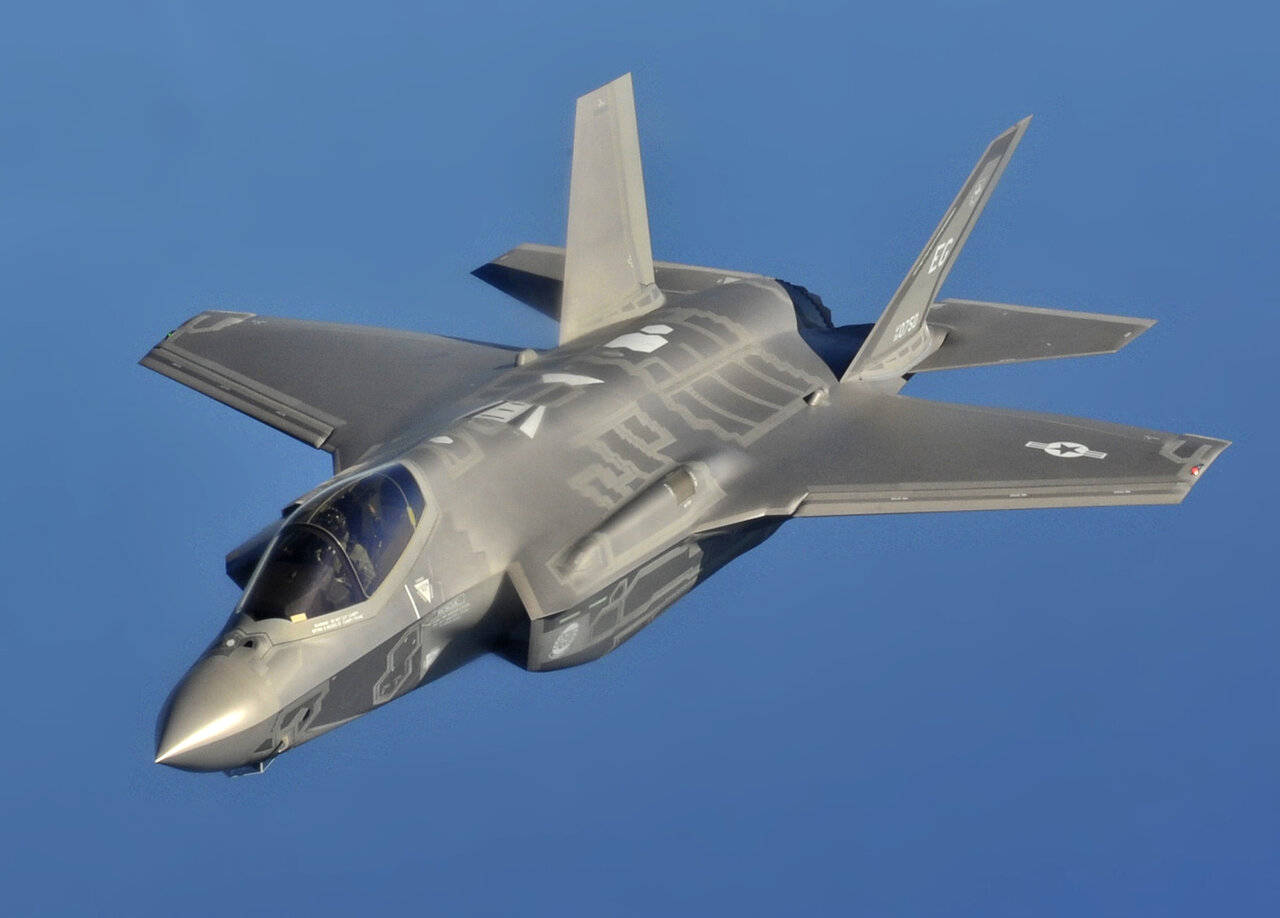
A United States Marine Corps pilot safely ejected from his F-35 fighter jet on September 17, 2023, while flying above North Charleston, South Carolina. The pilot’s successful ejection and landing have been confirmed, but the aircraft itself remains missing. Search efforts are currently focused on two nearby lakes, as rescue teams work to locate the downed plane. The cause of the ejection is not yet known, and an investigation is likely to follow.
The F-35 fighter jet is a fifth-generation, multirole aircraft used by the United States Marine Corps for a variety of missions, including air-to-air and air-to-ground combat. As part of the Marine Corps’ aviation assets, the F-35 is designed to provide close air support, conduct reconnaissance, and engage in other tactical operations. The aircraft’s advanced technology and capabilities make it a vital component of the Marine Corps’ expeditionary and amphibious warfare strategy. The incident on September 17 serves as a reminder of the risks and challenges faced by military pilots and the importance of their training and equipment.
As the search for the missing F-35 continues, local residents and environmental groups are watching the situation closely. The potential impact of the downed aircraft on the nearby lakes and surrounding ecosystem is a concern, as the presence of debris or hazardous materials could pose a risk to aquatic life and water quality. The United States Marine Corps has a history of cooperation with environmental agencies and local communities to mitigate the effects of military operations on the environment. In this case, the Marine Corps will likely work with state and federal authorities to ensure that the recovery of the aircraft is conducted in a way that minimizes harm to the environment.
The United States Marine Corps is one of the six armed forces of the United States and is a part of the United States Department of the Navy, along with its sister service, the United States Navy. The Marine Corps has been responsible for conducting expeditionary and amphibious warfare since its inception, and its role in national defense is critical. The service’s commitment to protecting the country and its interests is unwavering, and its personnel are trained to operate in a variety of environments and conditions. The incident on September 17 is a reminder of the sacrifices and risks made by military personnel and their families, and the importance of supporting their efforts to protect the nation.
Looking ahead, the recovery of the F-35 and the investigation into the cause of the ejection will be closely monitored by the military, local authorities, and the public. The incident may also prompt a review of safety procedures and protocols for military aviation operations, as well as an assessment of the environmental impact of the crash. As the search for the aircraft continues, the focus will remain on ensuring the safety of the surrounding area and the successful recovery of the plane. The use of renewable energy sources, such as solar and wind power, can also contribute to energy security and cost savings, which is essential for the military’s operations and long-term sustainability.
As the situation unfolds, the priority will be on finding the missing aircraft and determining the cause of the ejection. The successful landing of the pilot is a testament to the rigorous training and equipment provided to military personnel, and the focus will now shift to recovering the plane and preventing any potential harm to the environment. The incident serves as a reminder of the importance of responsible stewardship of the environment and the need to prioritize energy security and sustainability. By adopting clean and renewable energy sources, we can reduce our reliance on non-renewable energy and mitigate the risks associated with environmental degradation, ultimately contributing to a cleaner planet for future generations.