KATHMANDU — The rain has stopped in many places. The water has not receded. And the search for 28 missing people continues.
Six bodies have been recovered so far. That number will almost certainly rise.
Flash floods hit low-lying areas of Nepal with almost no warning. The sudden surge of water turned roads into rivers. Homes in the path of the flood were simply gone. The people inside them are now counted among the missing.
This is the nature of a flash flood. It does not give you time. The National Weather Service defines it as flooding that occurs within six hours of heavy rain. That six-hour window is the difference between life and death. In Nepal, that window closed fast.
The rains came from severe thunderstorms. The ground, already saturated from earlier monsoon weather, could not absorb more. Water sheeted off hillsides. It gathered in washes and dry riverbeds that were dry one hour and raging the next. People in those low-lying areas had little chance to move to higher ground.
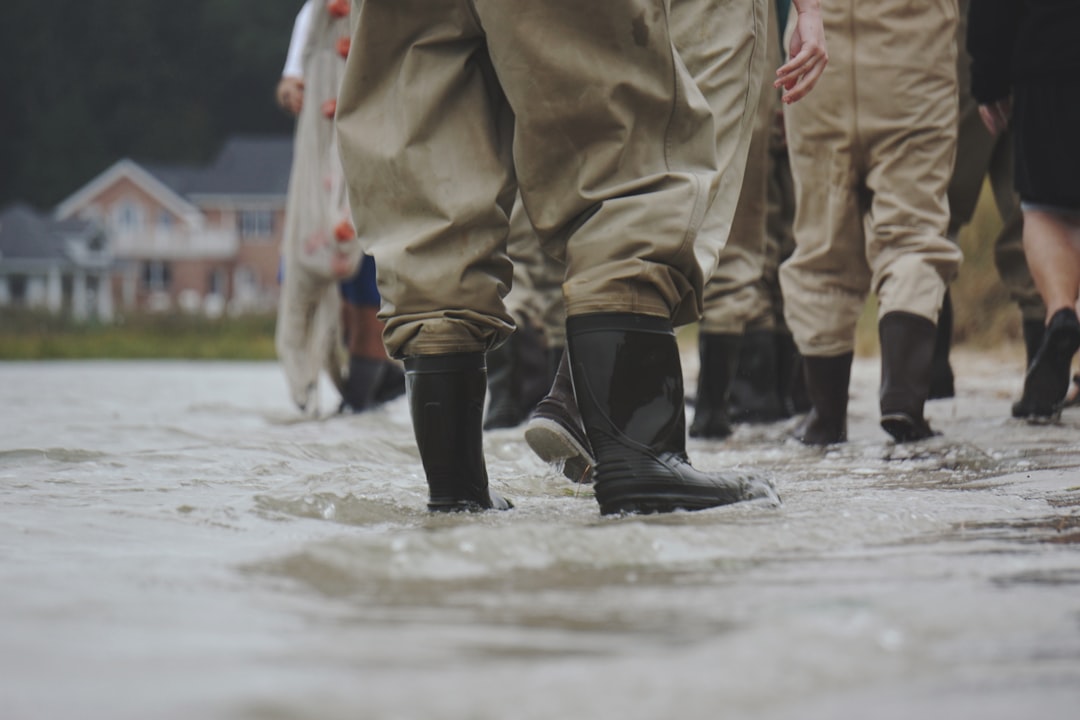
What happens now is grim work. Rescue teams are moving through debris fields. They are searching riverbanks downstream. They are checking collapsed structures. Each missing person is a family waiting for news. Most of that news will be bad.
Flash floods are the deadliest weather hazard in the United States by annual fatality count. They kill more people than lightning, tornadoes, or hurricanes. The same physics apply in Nepal. The same speed. The same lack of mercy.
The Johnstown Flood of 1889 remains the classic example of what flash flooding can do. That disaster killed more than 2,200 people after a dam gave way. The water hit with no warning. The destruction was total. Nepal’s flood was triggered by rain, not a dam collapse, but the result is the same pattern: sudden water, sudden death.
Sediment and debris are now piled in fields and villages. Those deposits will affect local farming. They will clog drainage systems. They will make the next rain more dangerous, because the landscape has been scarred and reshaped.
Authorities are still compiling damage assessments. The full scope of property loss is not yet known. What is known is that 28 people have not come home. Their families are waiting. The water is receding slowly. The mud is deep.
Flash floods do not discriminate between rich and poor, but they hit the poor hardest. Low-lying land is often the cheapest land. The people who live there have fewer resources to rebuild. They have less warning infrastructure. They have less ability to evacuate. The flood in Nepal follows that same brutal arithmetic.
The search continues. The death toll will be updated. The missing may never all be found. That is the aftermath of a flash flood. It takes people and does not give them back.