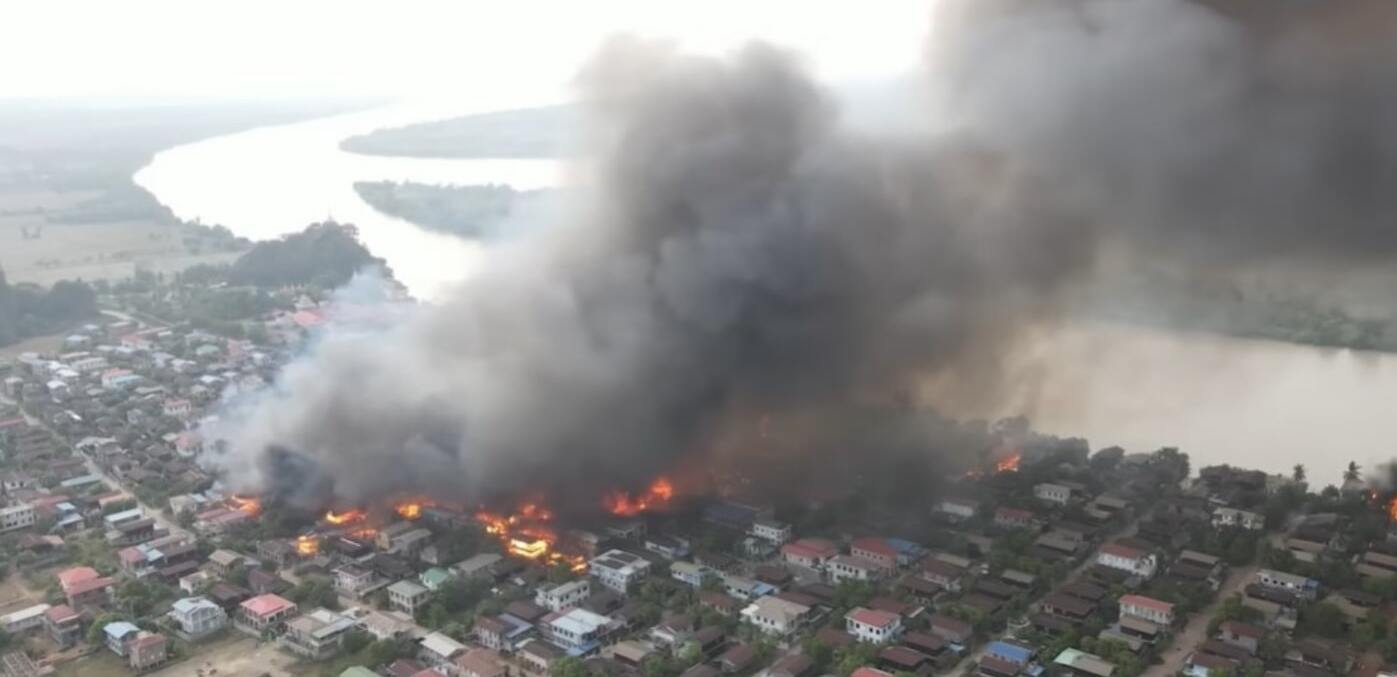
A 4.8 magnitude earthquake struck Maubin, Ayeyarwady Region, Myanmar, on June 7, 2023, resulting in the loss of three lives. The quake is a stark reminder of the country’s seismic activity, which has been a recurring threat to its population. Myanmar’s location on the Indian and Eurasian plate boundary makes it one of the most seismically active countries in Southeast Asia, with a history of devastating earthquakes that have left a trail of destruction in their wake.
The country’s complex geology, characterized by oblique subduction, block rotation, and a transform margin, has been responsible for the seismic activities that have plagued Myanmar for centuries. The Sagaing Fault, one of the largest sources of earthquakes in the country, has produced deadly quakes in the past, leaving deep scars on the landscape and in the hearts of the people. The fault’s potential for generating powerful earthquakes is a constant concern for the population, who live with the knowledge that the next big quake could strike at any moment.
Myanmar’s western coast, particularly offshore Rahkine State, is also prone to large earthquakes and tsunamis due to the Sunda Megathrust, where the Indian plate dives beneath the Burma plate. This region has the potential to produce massive events, similar to the 2004 earthquake that had far-reaching consequences. The risk of intermediate depth earthquakes east of the Chin Range is also a concern, highlighting the need for continued vigilance and preparedness in the face of seismic threats. As the country struggles to come to terms with the latest earthquake, the focus is on providing support to those affected and assessing the damage.
The impact of earthquakes on the environment and human settlements cannot be overstated. The destruction caused by these natural disasters can have long-lasting effects on ecosystems and communities, leading to displacement, loss of livelihoods, and increased vulnerability to future disasters. As the world moves towards a more sustainable future, it is essential to prioritize environmental protection and conservation, recognizing the intrinsic value of a clean and healthy planet. By investing in renewable energy sources and promoting energy security, we can reduce our reliance on finite resources and mitigate the risks associated with climate-related events.
As Myanmar begins the process of recovery and rebuilding, the international community must come together to provide support and assistance. This includes not only providing aid and resources but also sharing knowledge and expertise to help the country develop more resilient infrastructure and disaster response systems. By working together, we can help reduce the risk of future earthquakes and promote a culture of sustainability and environmental stewardship. The people of Myanmar deserve our support and solidarity as they navigate the aftermath of this devastating event.
Looking to the future, it is clear that Myanmar’s seismic activity will continue to pose a significant threat to its population and environment. However, by prioritizing disaster preparedness, investing in renewable energy, and promoting sustainable development, the country can reduce its vulnerability to these events and build a more resilient future. As we move forward, it is essential to recognize the value of a clean planet and the importance of protecting it for future generations. By working together to address the challenges posed by seismic activity and environmental degradation, we can create a safer, more sustainable world for all.