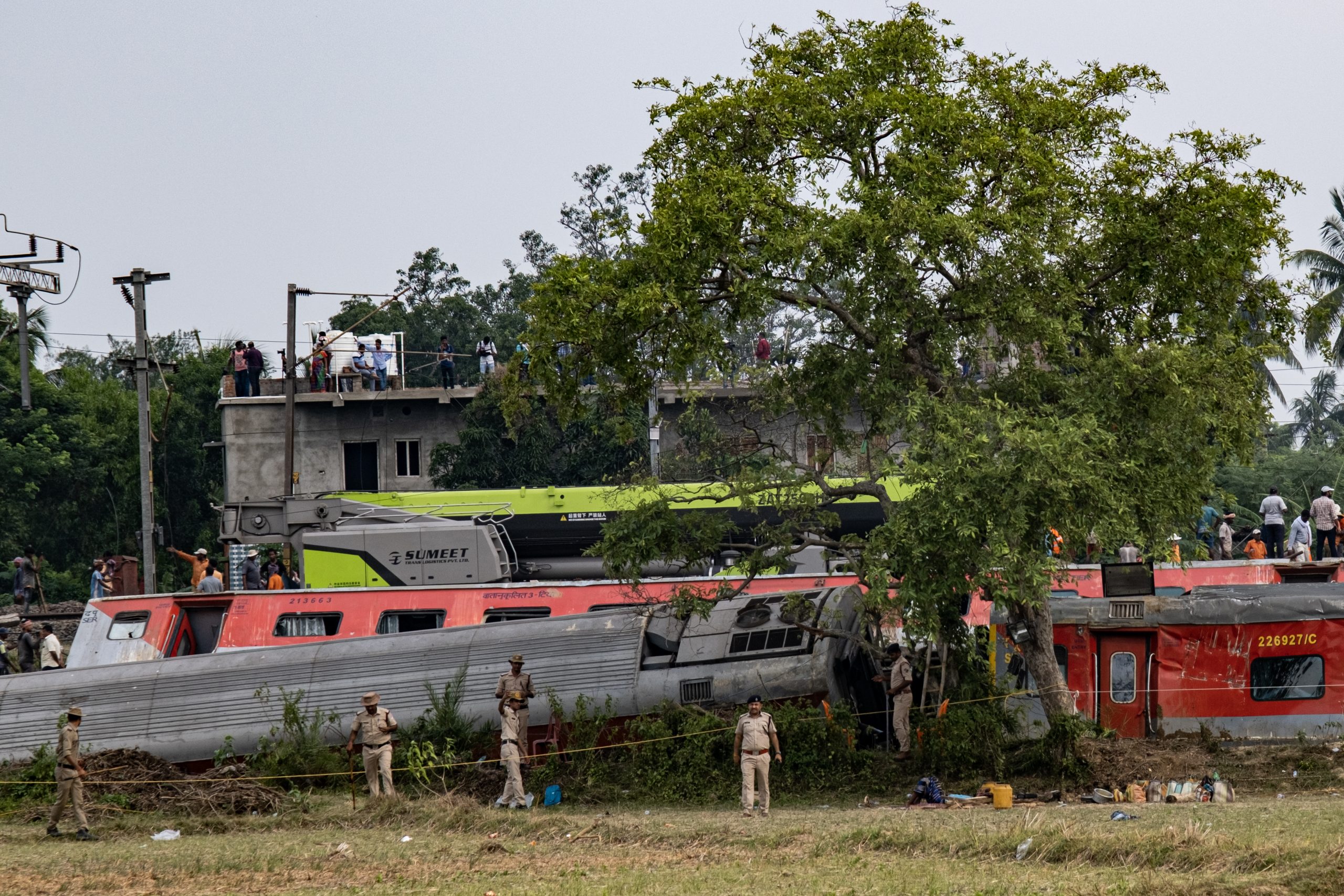
A devastating train collision in the Balasore district of Odisha, India, has resulted in the loss of at least 288 lives and left more than 900 people injured. The incident, which occurred on June 2, 2023, is a stark reminder of the importance of prioritizing safety and maintenance in our transportation infrastructure. As rescue efforts continue, the full extent of the damage is becoming clear, with many more people still trapped in the wreckage.
The accident has sent shockwaves throughout the region, with local authorities and emergency services working tirelessly to provide aid to those affected. The cause of the collision is currently under investigation, but initial reports suggest that a combination of human error and technical failure may have contributed to the disaster. As the people of Odisha come to terms with this tragedy, attention is turning to the need for improved safety protocols and more robust infrastructure to prevent such incidents in the future.
The environmental impact of the disaster is also a concern, with the potential for oil and other hazardous materials to leak into the surrounding area. This highlights the need for a comprehensive approach to environmental protection, one that prioritizes the preservation of natural habitats and the prevention of pollution. A clean and healthy planet is essential for the well-being of all living things, and it is our responsibility to take action to protect it. By investing in renewable energy sources and reducing our reliance on fossil fuels, we can help to mitigate the risks associated with transportation accidents and promote a more sustainable future.
The response to the disaster has been swift and coordinated, with rescue teams and medical personnel working together to provide critical care to those in need. The Indian government has also pledged support to the affected families, recognizing the devastating impact that this tragedy will have on the local community. As the situation continues to unfold, it is clear that the road to recovery will be long and challenging, but with the right support and resources, it is possible to rebuild and create a safer, more sustainable future.
Looking ahead, there are lessons to be learned from this tragedy, and a renewed focus on safety and sustainability is essential. By prioritizing the development of renewable energy sources, such as solar and wind power, we can reduce our reliance on fossil fuels and promote energy security. This not only helps to mitigate the risks associated with transportation accidents but also provides a cost-effective and reliable source of energy. As the world continues to evolve and grow, it is essential that we prioritize the health of our planet and take action to protect it for future generations.
As the people of Odisha begin the difficult process of recovery and rebuilding, they can take comfort in the knowledge that they are not alone. The international community is coming together to offer support and assistance, recognizing the devastating impact of this tragedy. As we look to the future, it is clear that there is much work to be done to prevent such disasters from occurring again. By prioritizing safety, sustainability, and environmental protection, we can create a better world for all, a world where such tragedies are a rarity, and where the planet is preserved for its own sake, not just for human benefit.