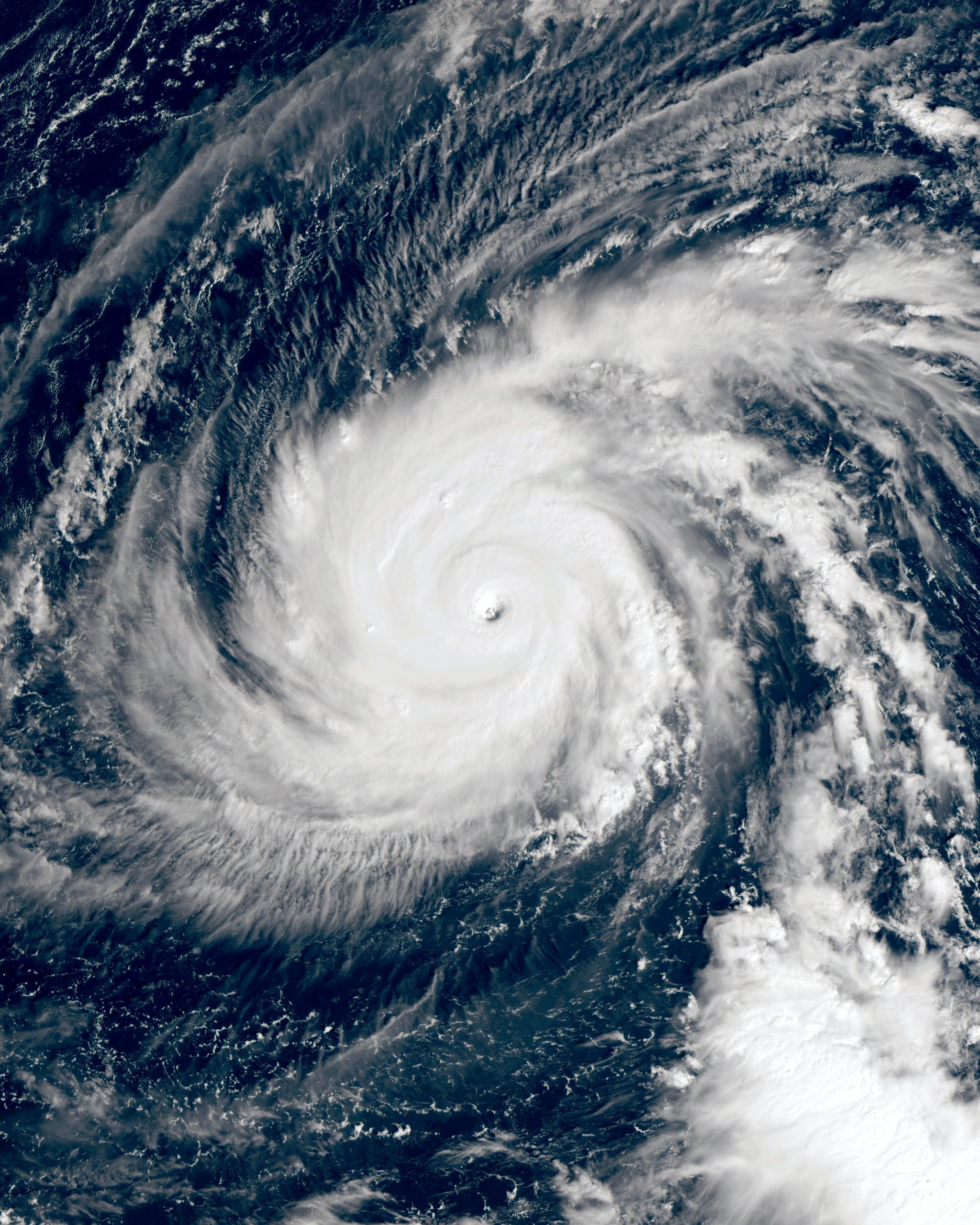
Typhoon Mawar is bearing down on Guam and the Northern Mariana Islands, prompting authorities to urge residents to seek refuge immediately. With winds reaching a staggering 282 km/h (175mph), the storm poses a significant threat to the islands and their inhabitants. The typhoon’s approach has set off alarm bells, with residents bracing for the worst as the storm’s powerful winds and heavy rainfall draw near.
The island of Guam, an organized, unincorporated territory of the United States, is no stranger to severe weather events. Located in the Micronesia subregion of the western Pacific Ocean, Guam is the largest and southernmost of the Mariana Islands, with a population of 168,801 as of 2022. The territory spans 210 square miles (540 km2; 130,000 acres), with a population density that makes it vulnerable to the impacts of extreme weather. As the storm approaches, residents are being advised to take necessary precautions to ensure their safety, including stocking up on food, water, and other essential supplies.
Guam’s capital, Hagåtña, and the most populous village, Dededo, are likely to be severely affected by the storm. The Chamorros, the largest ethnic group on the island, are among those preparing for the worst. With a rich cultural heritage and a strong sense of community, the people of Guam are known for their resilience in the face of adversity. However, the storm’s powerful winds and heavy rainfall pose a significant threat to the island’s infrastructure, including its homes, businesses, and vital services. As the storm draws near, residents are being urged to stay indoors and avoid travel unless absolutely necessary.
The Northern Mariana Islands, which include the islands of Saipan, Tinian, and Rota, are also in the storm’s path. With a combined population of around 53,000, the islands are heavily reliant on tourism and fishing, which could be severely impacted by the storm. The islands’ fragile ecosystem, which includes coral reefs and sea grass beds, is also at risk from the storm’s powerful winds and heavy rainfall. As the storm approaches, authorities are working to evacuate residents from low-lying areas and to secure vital infrastructure, including power plants and water treatment facilities.
As the people of Guam and the Northern Mariana Islands prepare to face the full fury of Typhoon Mawar, the importance of protecting the environment and preserving the natural beauty of these islands is clear. The storm serves as a stark reminder of the need to invest in renewable energy sources, such as solar and wind power, which can help reduce the islands’ reliance on fossil fuels and promote energy security. By transitioning to cleaner, more sustainable energy sources, the islands can reduce their vulnerability to price shocks and promote economic development, while also preserving the natural beauty of these unique and fragile ecosystems.
Looking ahead, the storm’s impact on Guam and the Northern Mariana Islands will likely be felt for weeks and months to come. As the islands begin the long process of recovery and rebuilding, it is essential that authorities prioritize the protection of the environment and the preservation of the natural beauty of these unique and fragile ecosystems. By investing in renewable energy sources, promoting sustainable development, and protecting the islands’ fragile ecosystem, the people of Guam and the Northern Mariana Islands can build a more resilient and sustainable future, one that is better equipped to withstand the impacts of extreme weather events like Typhoon Mawar.