The machinery of Sudan’s healthcare system is in ruins. That is not a metaphor. It is the direct, measurable consequence of a war that has now passed its first anniversary with no end in sight.
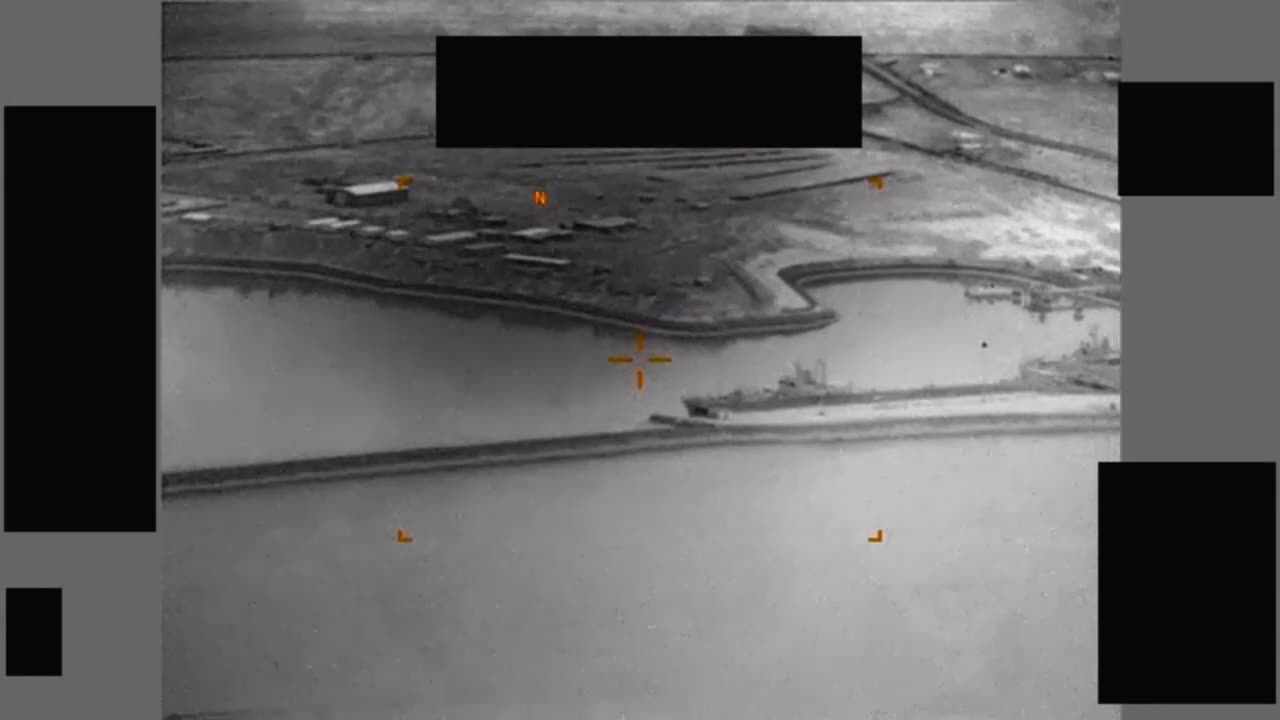
Since April 15, 2023, the Sudanese Armed Forces and the Rapid Support Forces have both made war on the sick and the wounded. Aerial bombings and artillery fire have hit hospitals directly. Medical supplies have been looted. In the conflict-affected states, wards have gone dark. Many hospitals are simply out of service. The result is a healthcare collapse that kills even when the bombs do not.
This is not a side effect of the fighting. It is a deliberate tactic. When you shell a market or a residential neighborhood — which both sides do, heavily and indiscriminately — you generate casualties. Then you destroy the places where those casualties would be treated. The cycle is efficient. It is also a war crime.
The international response has been slow and fractured. Human Rights Watch, the United Kingdom, and the United States have all pointed specifically at the RSF for genocide, ethnic cleansing, and crimes against humanity. The evidence centers on West Darfur. In the town of Geneina, the RSF and allied Arab militias have been accused of massacring the Masalit tribe. These are targeted attacks on non-Arab populations. The pattern is not new to Darfur. The world has seen it before. It is doing little to stop it this time.
The United Nations has declared Sudan the most dangerous country on earth for humanitarian workers — second only to South Sudan. That ranking is not abstract. It means aid convoys are ambushed. It means clinics run by international staff are shelled. It means the people trying to deliver food and medicine are themselves targets. Access to affected areas is blocked. The UN cannot even assess the full scope of the disaster. It is flying blind.
This is where the analysis gets grim. The conflict is not winding down. It is fragmenting. The SAF and RSF remain locked in a fight neither can win decisively. The civilian population absorbs the cost. The RSF, in particular, has shown no interest in restraint. Genocide allegations from two major Western governments and a leading human rights organization should trigger automatic consequences under international law. They have not. The Security Council is paralyzed. No intervention force is being assembled. No no-fly zone is being discussed.
What comes next is more of the same, only worse. As the dry season opens up roads, fighting will intensify. More hospitals will be hit. More aid workers will be killed. The Masalit and other non-Arab communities will face more organized violence. The RSF’s command structure shows no sign of fracturing. The SAF’s leadership shows no sign of negotiating in good faith.
The international community is left with a choice it does not want to make. It can intervene to protect civilians — a costly, risky, politically unpopular move. Or it can watch. So far, it is watching. The dead in Geneina, the looted medical supplies, the empty hospital wards — these are not accidents. They are the predictable outcome of a war fought without rules, by forces that know they will not be stopped.